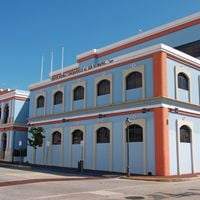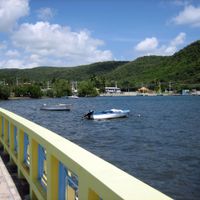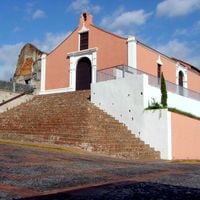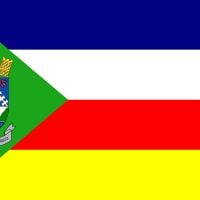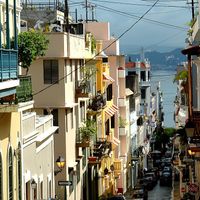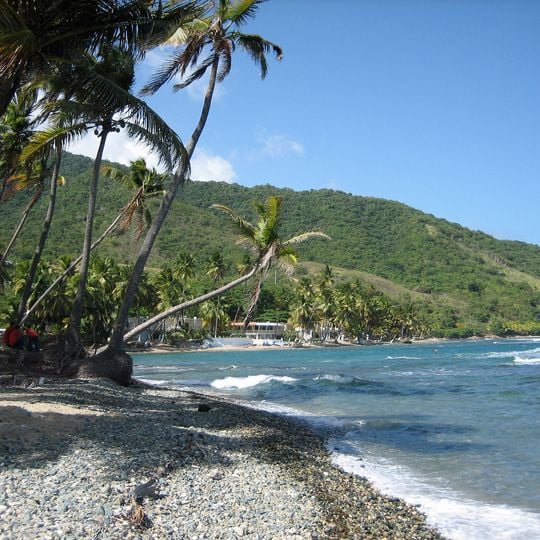
Puerto Rico, Unincorporated territory in Caribbean Sea, United States
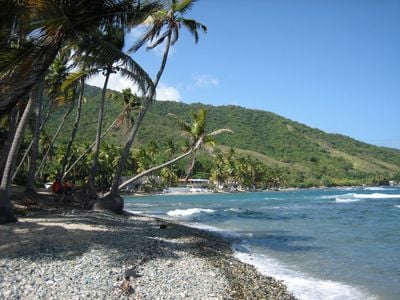
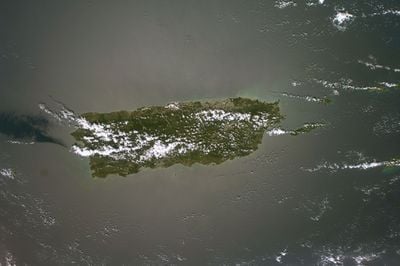
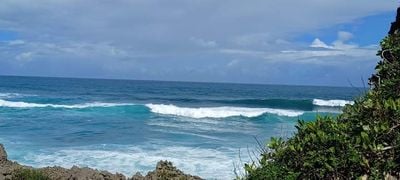
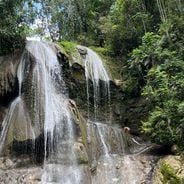
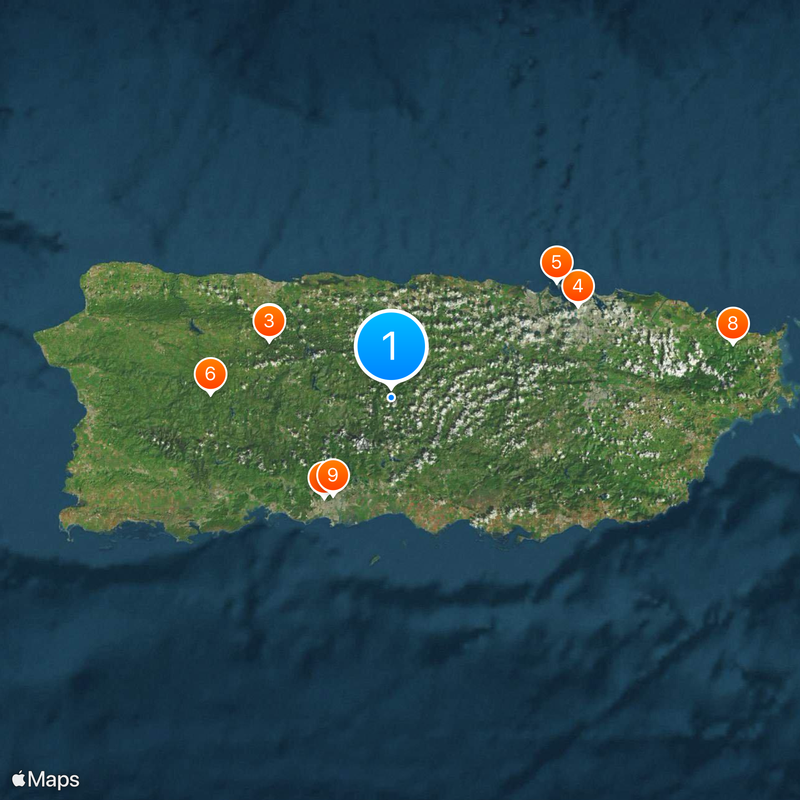
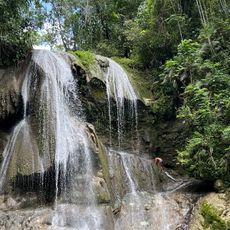
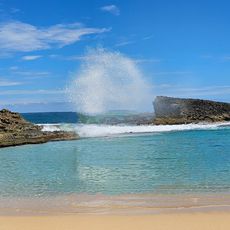
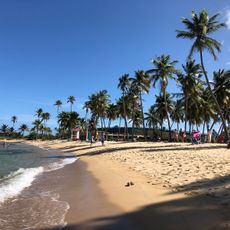
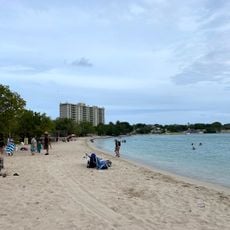
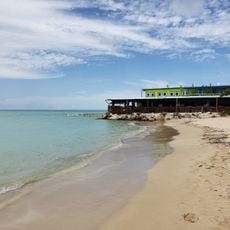
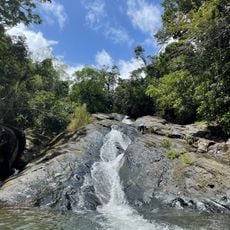
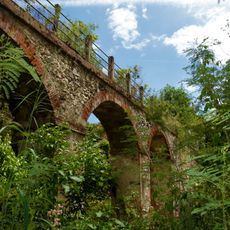
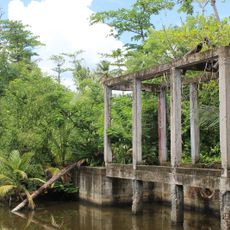
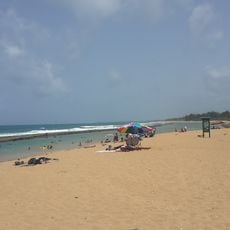
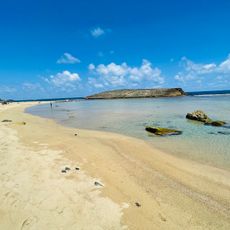
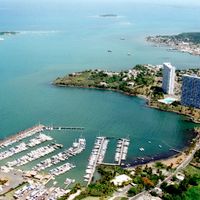
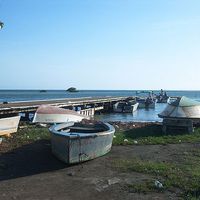
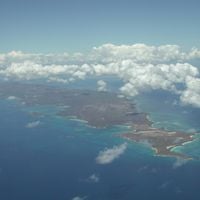
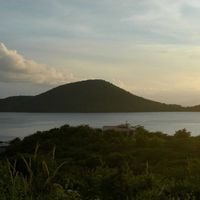
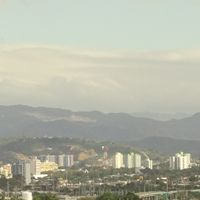
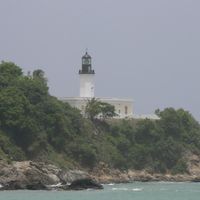
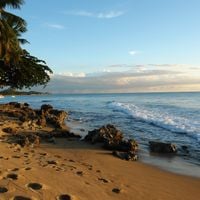
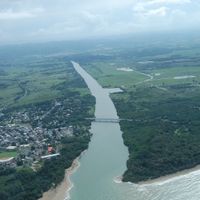
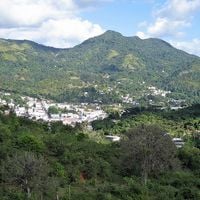
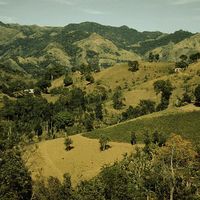
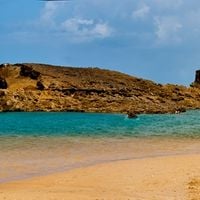
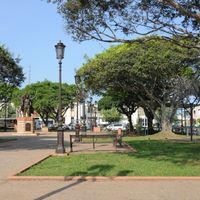
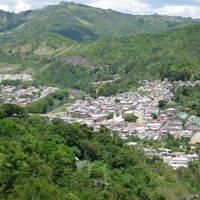
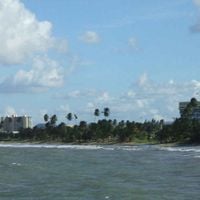
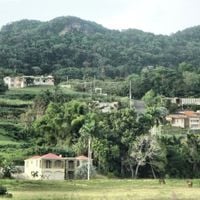
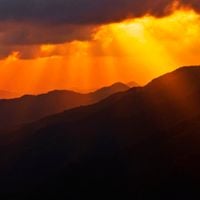
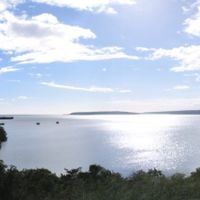
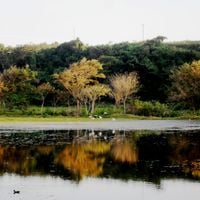
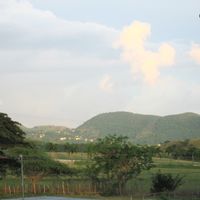
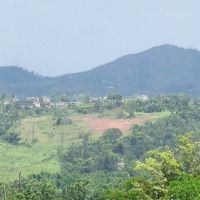
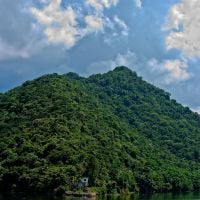
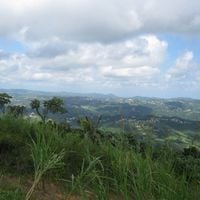
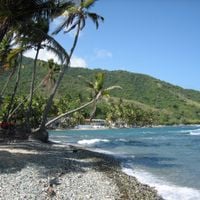
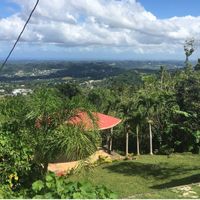
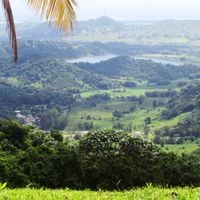
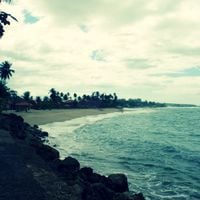
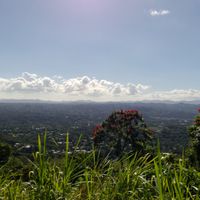
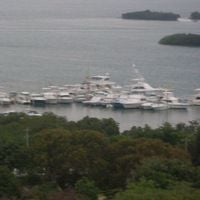
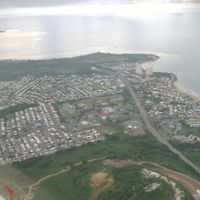
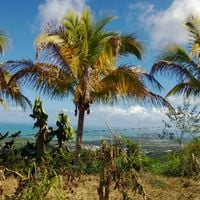
The territory comprises a main island plus Vieques, Culebra, and several smaller islets totaling 9,104 square kilometers, combining mountain ranges, rainforest, mangrove wetlands, and over 270 miles of coastline.
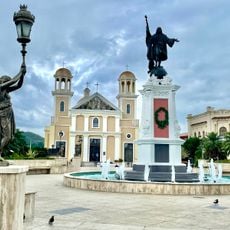
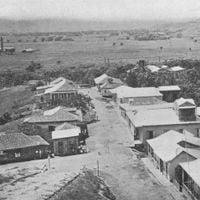
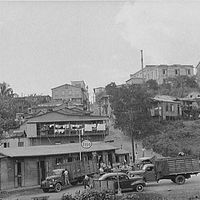
Christopher Columbus reached the island in 1493 during his second voyage, initiating Spanish colonization. After four centuries under Iberian rule, control transferred to Washington in 1898 through the Treaty of Paris.
Residents express cultural identity through bomba and plena, traditional music forms with African roots that play central roles at festivals and family gatherings, connecting generations through rhythm and storytelling.
Peak travel season runs December through April outside hurricane months. Direct flights connect San Juan with North American cities, while ferries reach offshore islands. American citizens need no passports for entry.
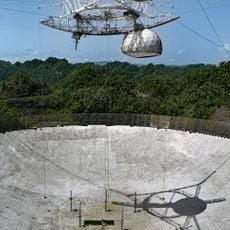
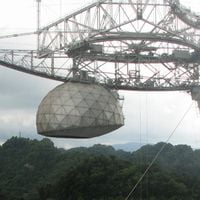
The Arecibo Observatory housed the world's largest single telescope at 1,000 feet (305 meters) in diameter until 2016, aiding searches for extraterrestrial life before the platform collapsed in 2020.
The community of curious travelers
AroundUs brings together thousands of curated places, local tips, and hidden gems, enriched daily by 90,755 contributors worldwide.