Southern Germany, Geographic region in Central Europe, Germany.
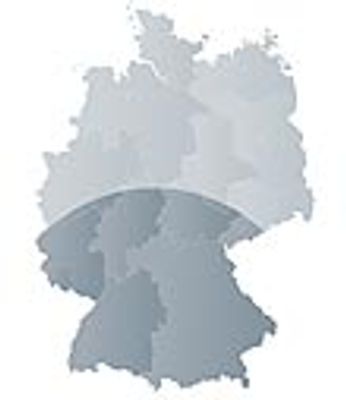
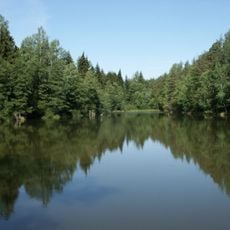
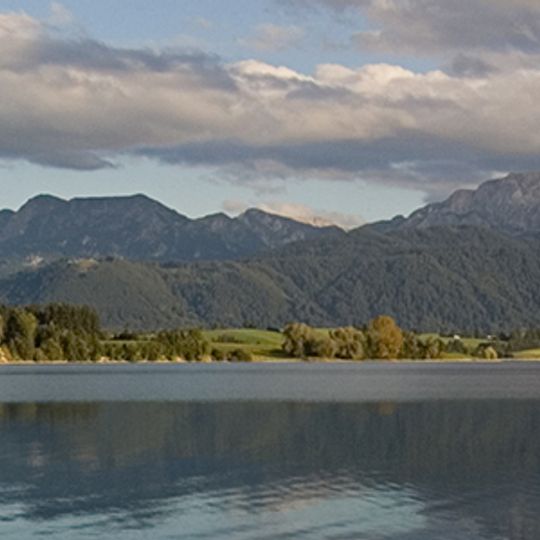
Southern Germany comprises Baden-Württemberg and Bavaria, two large states with varied landscapes and urban areas. The region combines river valleys with forested mountains, Alpine peaks with Danube plains, and historic city centers embedded within modern infrastructure.
This region existed for centuries as several independent duchies and kingdoms, each following its own path. In the late 19th century, political unification brought them into a larger German state.
This region shapes Germany's image with its own identity reflected in local dialects, customs, and distinct regional character. People here maintain traditions through festivals, craftsmanship, and cuisine that stand apart from the rest of the country.
Travelers find dense infrastructure with airports, rail networks, and highways that enable movement between cities and countryside. The best time to explore is late summer and early fall, when weather is stable and larger crowds have already dispersed.
The region was home to emigrants who brought their customs and language to America, establishing new communities there. This transatlantic connection remains visible today in North American families and settlements that maintain these inherited traditions.
The community of curious travelers
AroundUs brings together thousands of curated places, local tips, and hidden gems, enriched daily by 60,000 contributors worldwide.