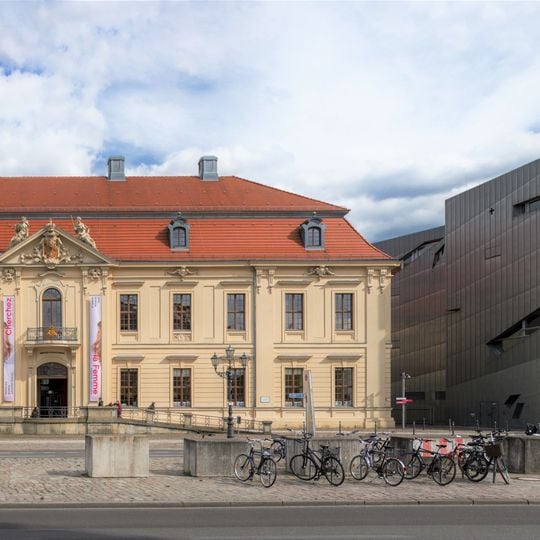
Jewish Museum Berlin, Jewish museum in Kreuzberg, Germany
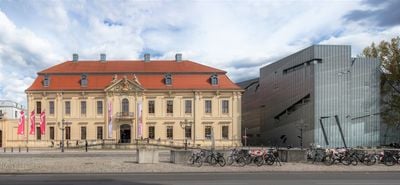
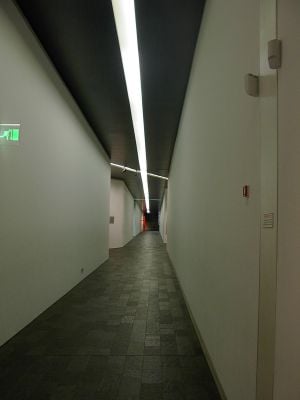
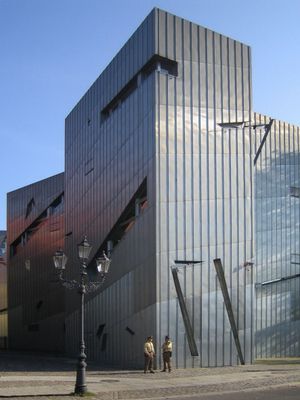
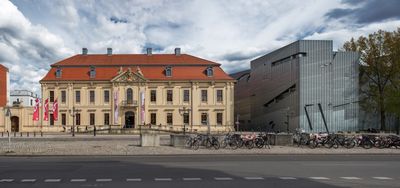
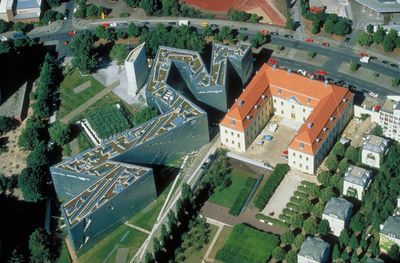
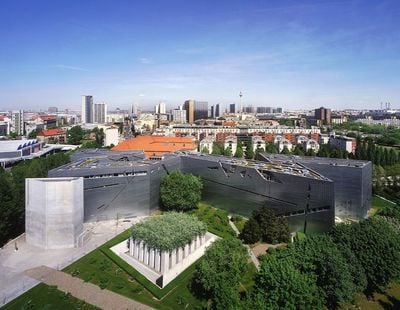
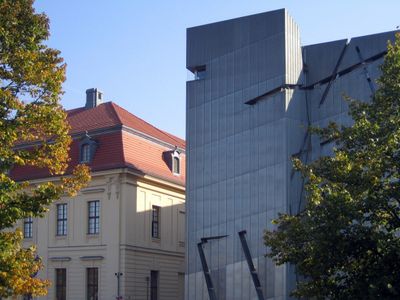
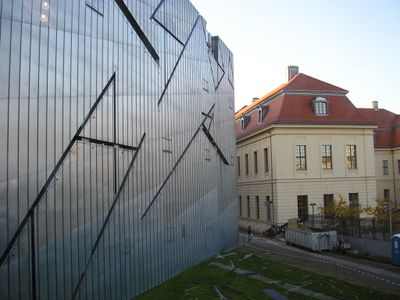
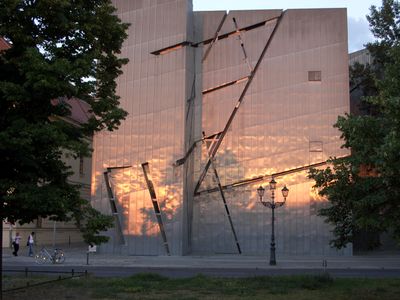
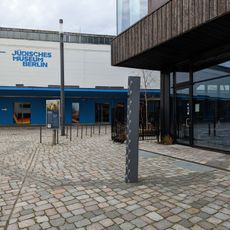
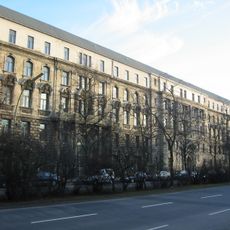
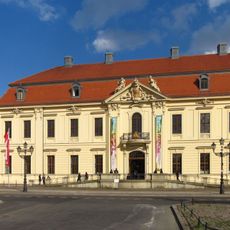
The Jewish Museum Berlin is an architectural complex in Friedrichshain-Kreuzberg combining a baroque building and a modern zinc-clad extension with zigzag lines. Daniel Libeskind designed the new structure with slanted walls and sharp angles, shaping corridors and exhibition rooms into unusual geometries.
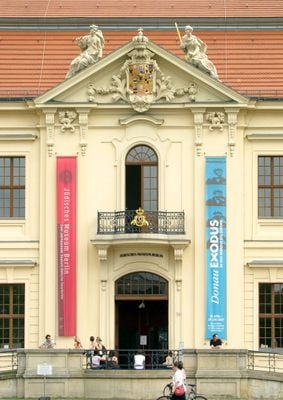
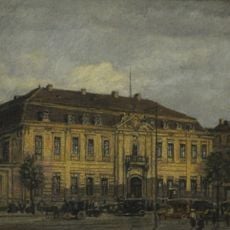
The museum opened in 2001 to present Jewish history in Germany after decades without such a dedicated space. The baroque section dates from 1735 and served other purposes before becoming part of the museum complex.
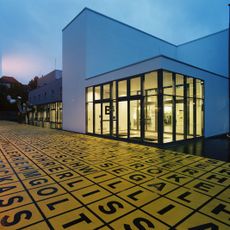
Visitors walk through rooms filled with everyday objects, letters, and artworks showing how Jewish families celebrated holidays, ran businesses, and took part in city life. Reconstructed spaces offer glimpses into homes and workshops, making it possible to understand daily routines and traditions that shaped communities over centuries.
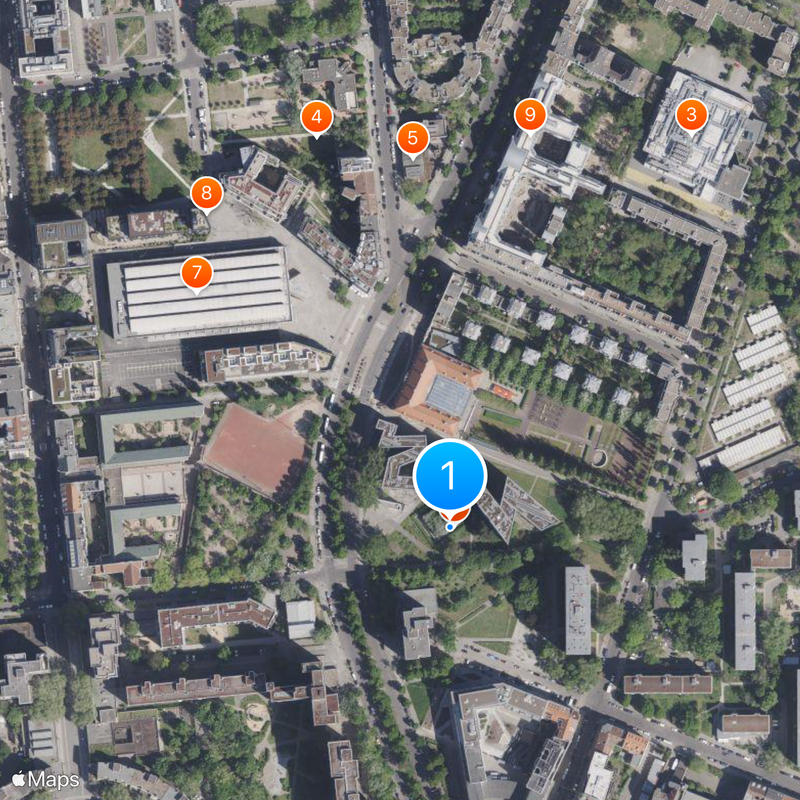
The nearest metro stop is Kochstrasse, within walking distance, and the entrance is accessible for wheelchairs. Plan at least two hours for a visit, as the rooms contain many documents and displays to read and examine.
Vertical voids run through the building from top to bottom without any access, symbolizing the emptiness left after destruction. These gaps remain unlit and create a sense of oppressive silence that visitors feel while walking through the exhibition.
The community of curious travelers
AroundUs brings together thousands of curated places, local tips, and hidden gems, enriched daily by 92,869 contributors worldwide.