Elbe Marshes, Protected wetland region in Northern Germany
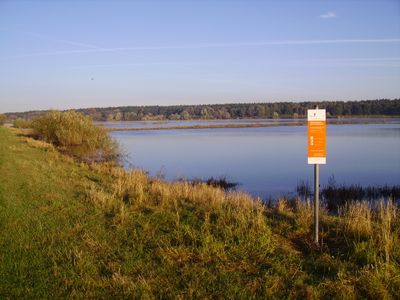
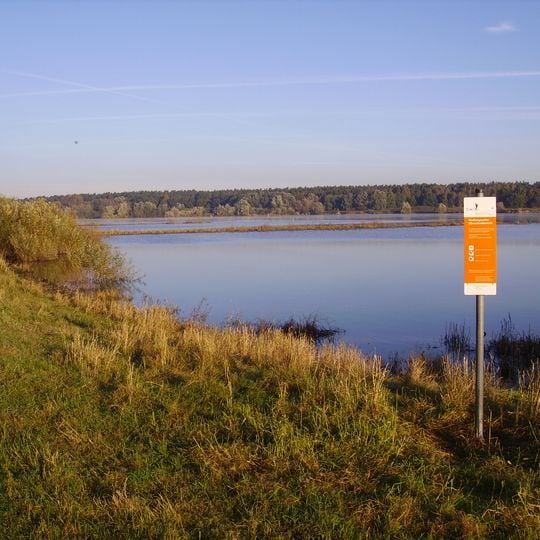
The Elbe Marshes form a flat lowland region along the Elbe River with dark, fertile soil crossed by a network of drainage channels and ditches. The landscape spreads across wide agricultural fields and pastures dotted with farmsteads, all framed by protective dikes and waterways.
Medieval dike construction began the transformation of tidal flats into usable agricultural land through centuries of water management. The region became one of Northern Europe's most productive farming areas as people continued to reshape the waterways and soil.
The region reflects generations of agricultural work that shapes how the land looks and functions today. Visitors notice fields and pastures carefully managed by local farmers who balance growing crops with protecting the wildlife that lives here.
The area is accessible via well-developed walking and cycling paths that wind through different sections and remain open year-round. The flat terrain makes exploration straightforward, with the best viewing opportunities in early morning or evening hours.
Tens of thousands of wild geese land here during winter to feed and rest before continuing their journey south. This seasonal arrival attracts nature watchers from across Europe who come to observe the large flocks.
The community of curious travelers
AroundUs brings together thousands of curated places, local tips, and hidden gems, enriched daily by 60,000 contributors worldwide.