Lennep, Municipality of the city of Remscheid (Germany) and former Prussian district town
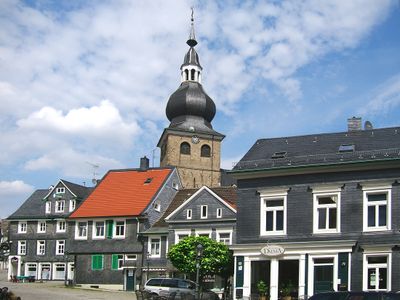
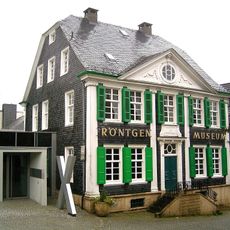
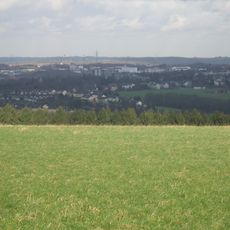
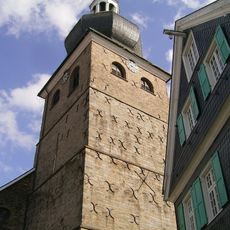
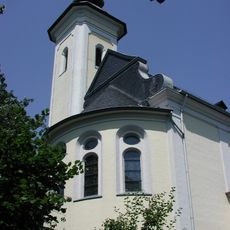
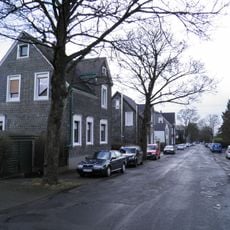
Lennep is a district of Remscheid with narrow lanes, old timber-frame and brick buildings from several centuries, and distinctive architecture throughout. The streetscape features medieval layout, historic churches such as the Baroque St. Bonaventura church, Haus Clerff as a former manor house, and the Röntgen Museum dedicated to the town's famous son.
The settlement formed in the 12th century and received official town rights in 1230 due to its location on trade routes between Cologne and the Baltic Sea. The cloth industry flourished in the medieval period, and the town joined the Hanseatic League, though major fires, especially in 1746, deeply shaped its later development.
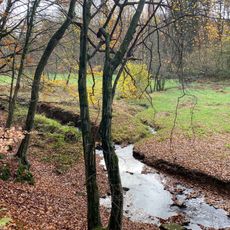
The name Lennep comes from the old Linepe stream that flows through town and has shaped people's lives for centuries. Today residents and visitors walk the narrow streets and gather in small cafes and shops housed in historic buildings, showing how the place keeps its past alive in daily life.
The area is best explored on foot since the old town has narrow lanes and limited parking for vehicles. Visitors can reach Lennep easily by train or car via the A1 highway and the Remscheid-Lennep exit, making it straightforward to visit the historic area.
Wilhelm Conrad Röntgen, the famous physicist and discoverer of X-rays, was born in Lennep in 1845 before making his revolutionary discovery. The Röntgen Museum showcases his life and allows visitors to explore the world of X-rays through interactive experiments.
The community of curious travelers
AroundUs brings together thousands of curated places, local tips, and hidden gems, enriched daily by 90,808 contributors worldwide.