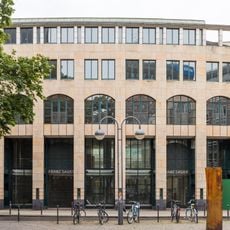
St. Kolumba, Cologne, Medieval church ruins in Altstadt-Nord, Germany
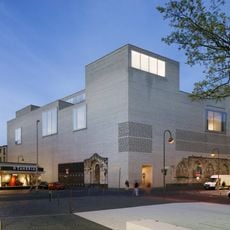
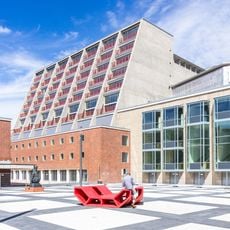
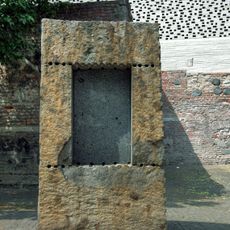
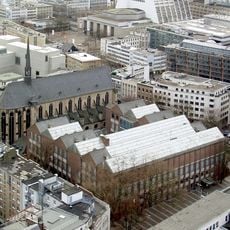
St. Kolumba is a former church in Cologne's old town whose medieval ruins lie beneath a modern museum with distinctive perforated gray brick walls. The building contains sixteen exhibition rooms with varying light conditions and limestone floors that display artworks without explanatory labels.
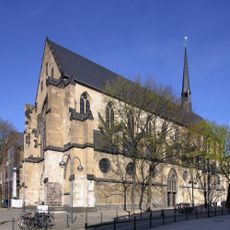
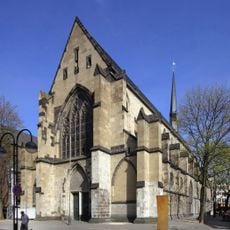
The church began around 980 as a small Romanesque chapel and later grew into a five-nave Gothic hall church. It was destroyed in World War II, but the remaining walls were incorporated into a new museum building after 1950.
The name comes from Saint Columba, whose relics were once venerated here and shaped the church's spiritual purpose. Today visitors experience how this religious connection remains present in the space while it now holds artworks from many periods.
Entry is through a modest entrance beside the visible ruins, and the rooms flow together on gentle ramps that are easy to navigate. Visitors should allow unhurried time to explore the different levels and light conditions across the gallery spaces.
The perforations in the brick walls are precisely engineered to create filtered light patterns that shift with the time of day and season. This carefully designed lighting changes how each artwork appears to visitors.
The community of curious travelers
AroundUs brings together thousands of curated places, local tips, and hidden gems, enriched daily by 60,000 contributors worldwide.