Castrum Aquae Mattiacorum, Roman military fortress in Wiesbaden, Germany
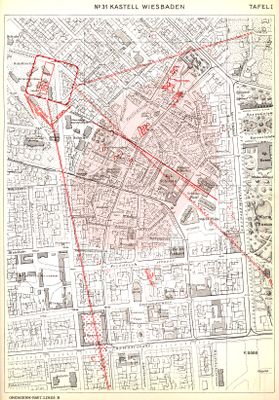
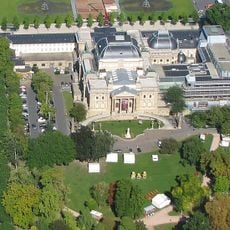
Castrum Aquae Mattiacorum was a Roman military fort positioned on Heidenberg hill, from where it controlled surrounding territories from a strategic hilltop location. The visible stone walls and structures today show the layout of a typical Roman fortress with its characteristic defensive design.
Roman troops built this fortification around 80 AD during their expansion into Germanic lands and maintained it until about 122 AD. The eventual abandonment of the fort marked the end of Roman control at this location.
Remains at the site show how soldiers here worshipped Mithras, with temple ruins and dedicatory inscriptions providing evidence of their beliefs. These religious traces offer visitors a window into the spiritual life of the Roman garrison.
The site welcomes visitors to explore the remains, with ongoing archaeological work visible across the grounds. Guided tours arranged through Wiesbaden's local heritage office help visitors understand what they are seeing and the significance of the discoveries made here.
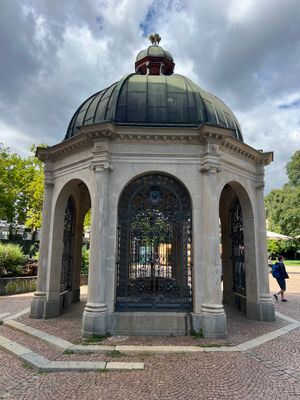
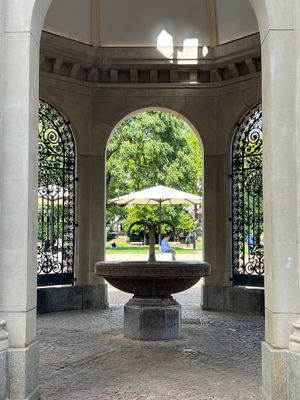
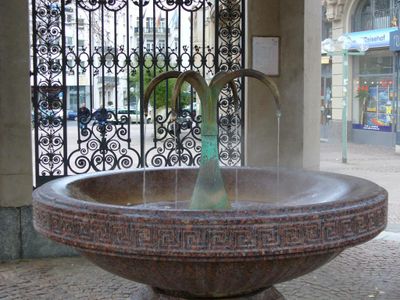
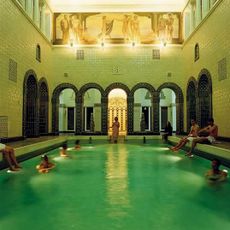
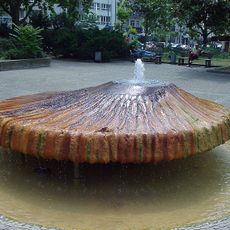
The fort made use of natural thermal springs that soldiers used for bathing and healing, which inspired the fort's name. This access to therapeutic waters was unusual for a military installation and made the location especially valued by the troops stationed there.
The community of curious travelers
AroundUs brings together thousands of curated places, local tips, and hidden gems, enriched daily by 60,000 contributors worldwide.