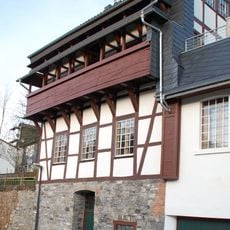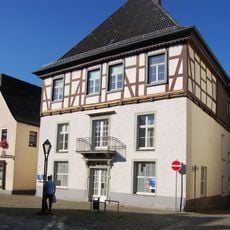
Oberfreistuhl, Medieval court organization in Arnsberg, Germany
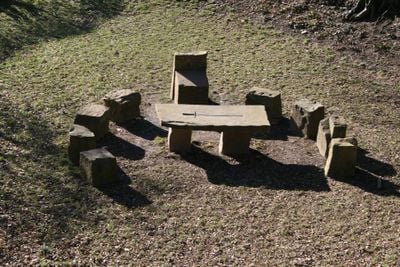
The Oberfreistuhl was a court in Arnsberg led by a presiding judge called a Freigraf. Seven free citizens, known as Schöffen, helped make decisions on legal matters brought before them.
The court was first documented in 1174 and later gained significant power in the region. In 1437, it established the Arnsberg Reformation, which set rules for all Westphalian courts.
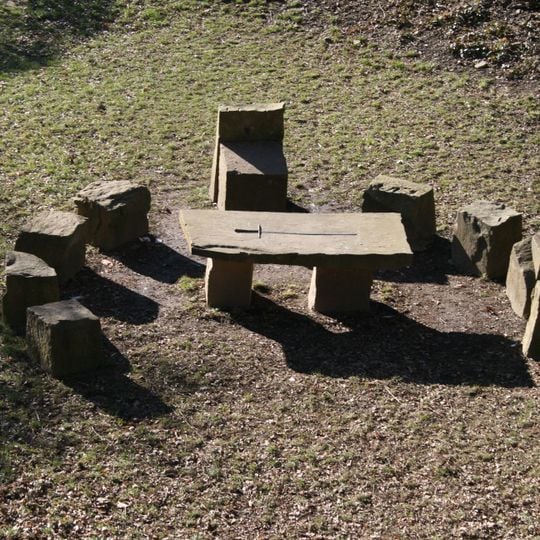
The proceedings were marked by symbolic objects meant to display the court's authority and judicial power. A sword placed on the table represented the right to carry out capital punishment following medieval Germanic customs.
The court required its members to maintain strict secrecy and take binding oaths before participating in proceedings. All Schöffen had to fulfill these solemn commitments to carry out their roles.
In 1483, Emperor Friedrich III elevated the court to the highest appeals authority for the entire region. It could thereafter review and overturn decisions made by other regional courts.
The community of curious travelers
AroundUs brings together thousands of curated places, local tips, and hidden gems, enriched daily by 60,000 contributors worldwide.