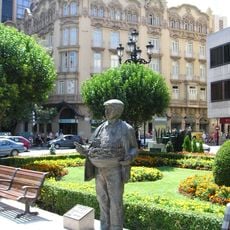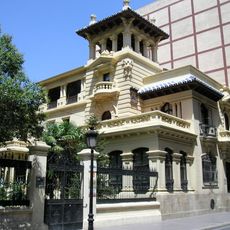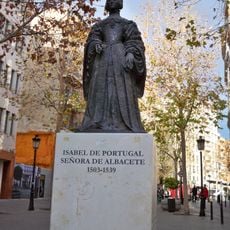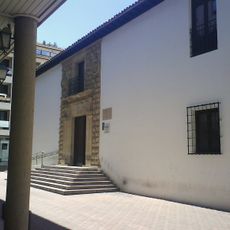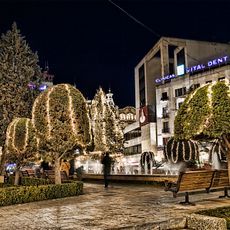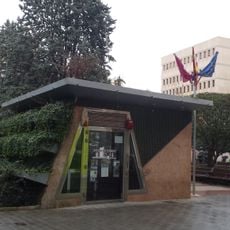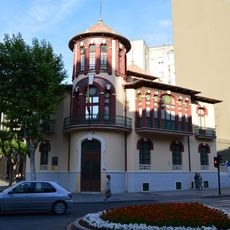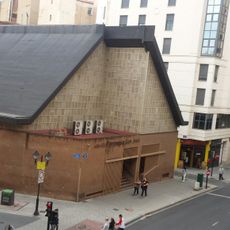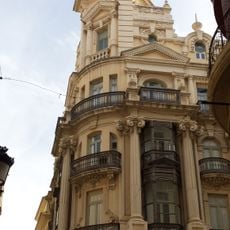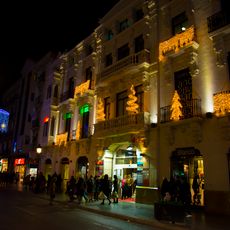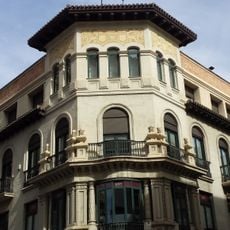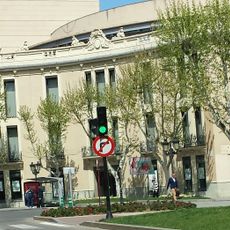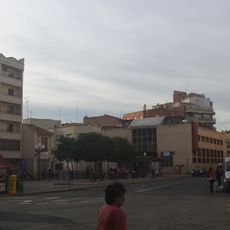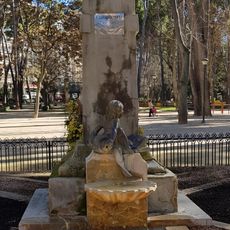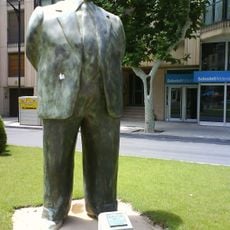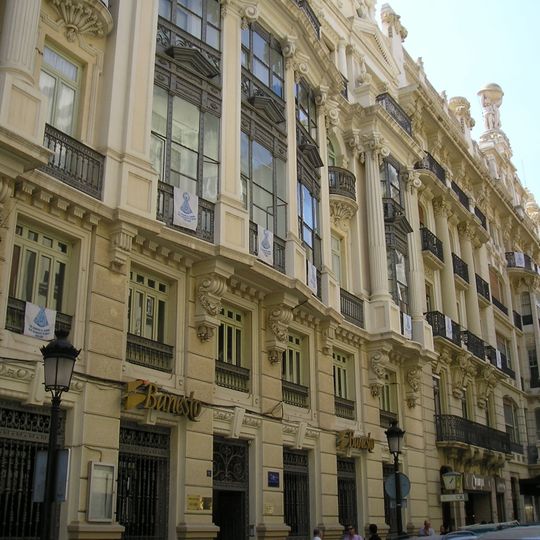
Eje Histórico de Albacete, Historical ensemble in Albacete, Spain.
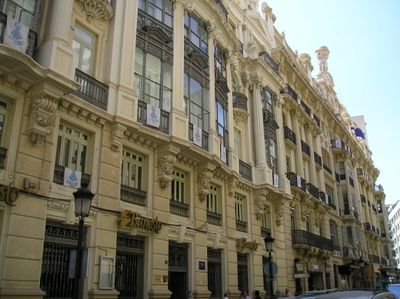
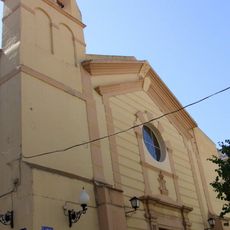
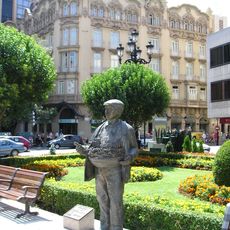
The Historical Axis of Albacete comprises the central streets Marques de Molins and Tesifonte Gallego, with well-preserved buildings from the late 19th and early 20th centuries that form the urban backbone of the city. The architecture along these streets displays various styles that document the urban development and prosperity of that era.
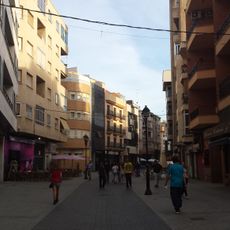
The city center developed in the 16th century but underwent its greatest transformation in the early 20th century with the construction of modern infrastructure including street lighting, sewage systems, and water supply. These improvements fundamentally changed the city's appearance and daily life.
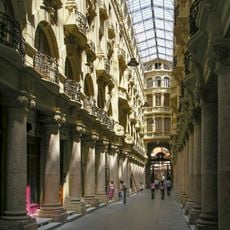
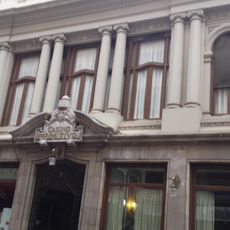
The Lodares Passage displays Italian architectural details with ornamental facades and intricate designs, reflecting the craftsmanship and European influences of the early 20th century. Residents and visitors gather here for shopping and leisurely walks, making it the living heart of the city center.
Visitors can explore the two main streets easily on foot, as they are flat and well-connected without requiring special walking gear. The best time to stroll is early morning or late afternoon, when the streets are quieter and the light highlights the building details.
The Plaza Mayor was established in the 16th century and redesigned in the 18th century before becoming a symbol of social prestige in the 19th century. Today visitors can trace the layers of different eras in this square and understand how public space evolved across generations.
The community of curious travelers
AroundUs brings together thousands of curated places, local tips, and hidden gems, enriched daily by 91,770 contributors worldwide.