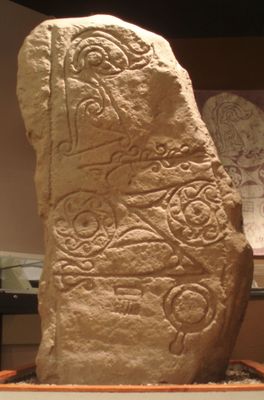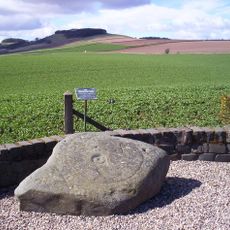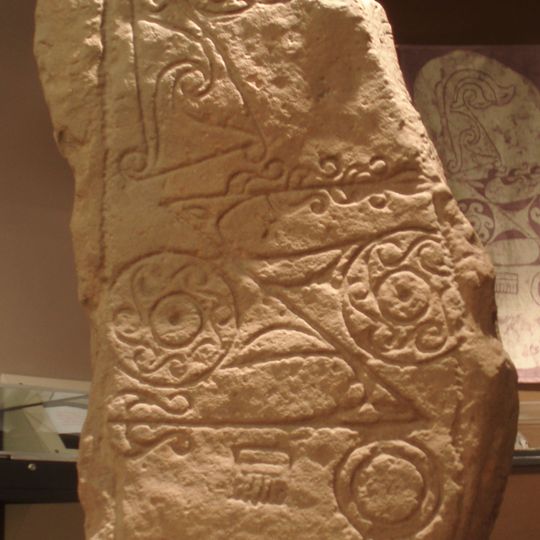
Dunnichen Stone, 7th century Pictish stone at Meffan Institute, Scotland.
The Dunnichen Stone is a 7th century sandstone monument with carvings from the Pictish era, now housed at the Meffan Institute in Forfar. Its surface displays various motifs including a flower, double discs, a Z-shaped symbol, a mirror, and comb patterns typical of stones from this period.
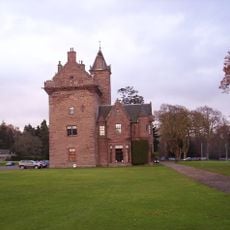
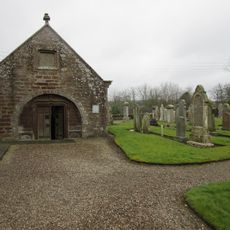
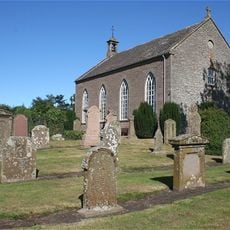
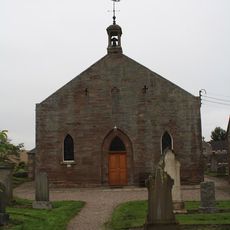
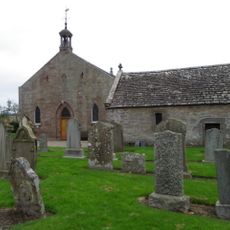
The stone was discovered in 1811 in a field near Dunnichen and subsequently moved to several locations. It eventually came to rest at the Meffan Institute, while a replica was placed at Dunnichen Church to preserve the site's connection to its history.
The carved symbols on the sandstone show how the Picts represented their world and what mattered to them. These marks tell us about the beliefs and daily life of people who lived here over a thousand years ago.
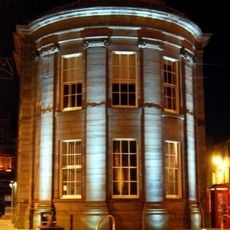
The stone is located at the Meffan Institute in Forfar where visitors can view it up close to examine the carvings. A replica stands at the original site near Dunnichen Church if you want to visit where it was originally found.
The flower motif on this stone is remarkably rare among all known Pictish monuments, making it especially valuable for understanding Pictish artistic traditions. This single symbol stands out clearly from the standardized marks found on most other stones from the same era.
The community of curious travelers
AroundUs brings together thousands of curated places, local tips, and hidden gems, enriched daily by 90,991 contributors worldwide.