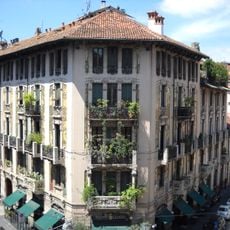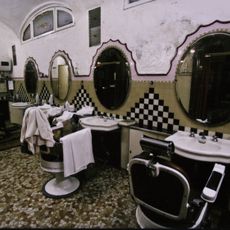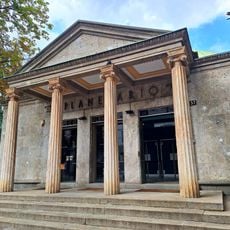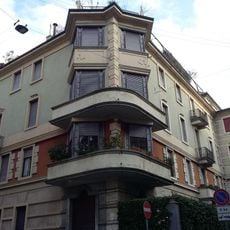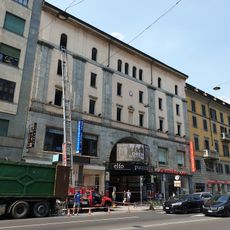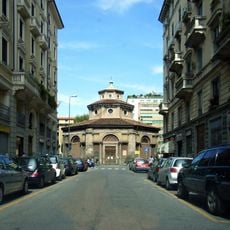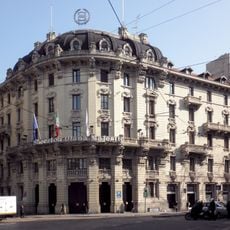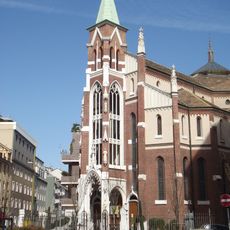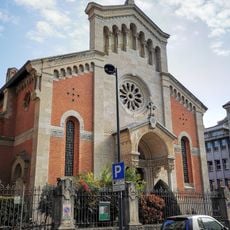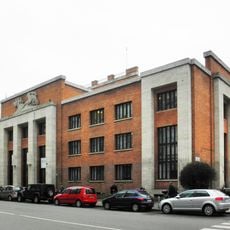
Milan Lazaretto, building in Milan, Italy
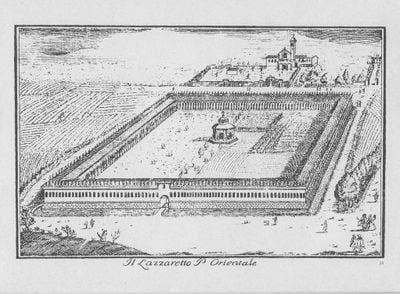
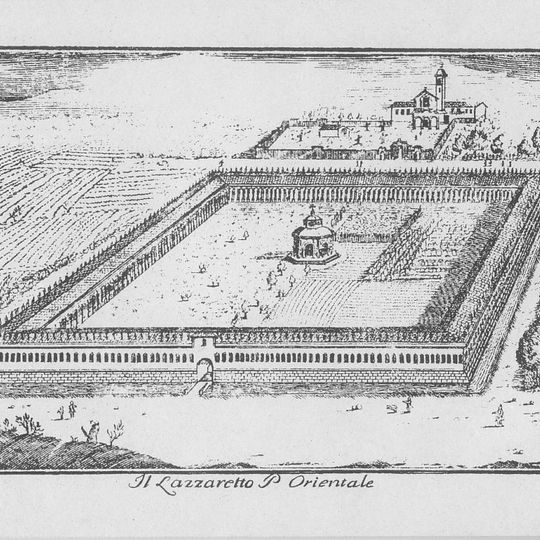
The Milan Lazaretto was a Renaissance architectural ensemble that functioned as a quarantine station and hospital complex. The structure featured a square layout with multiple courtyards designed to separate and manage patients in different sections.
Founded in the 16th century, the Lazaretto became one of Europe's largest quarantine stations and played a crucial role in combating plague and epidemics. It remained operational until the 19th century when it was eventually closed and dismantled.
The Lazaretto served as a place of quarantine and separation for the sick and suspected, shaping how Milanese society understood public health for centuries. This function became deeply embedded in the city's collective memory and influenced how people thought about disease and community protection.
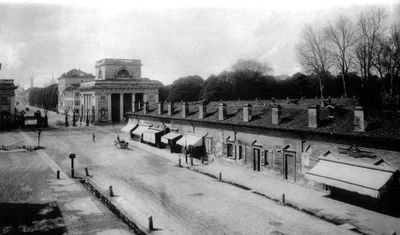
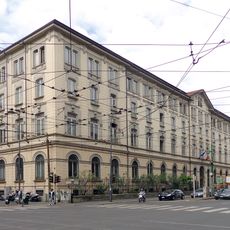
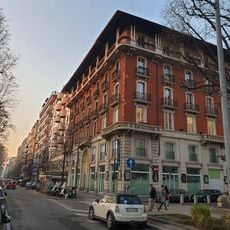
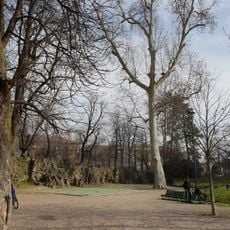
The original complex no longer exists, so the site can only be explored through its historical significance and any remaining archaeological traces. Local museums and historical records provide information about its former location and what has been preserved.
The Lazaretto inspired Alessandro Manzoni to write one of the most famous scenes in his novel The Betrothed, securing its place in Italian literary history. This literary connection has kept the memory of the place alive for generations.
The community of curious travelers
AroundUs brings together thousands of curated places, local tips, and hidden gems, enriched daily by 92,812 contributors worldwide.