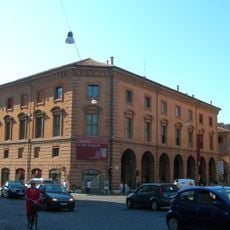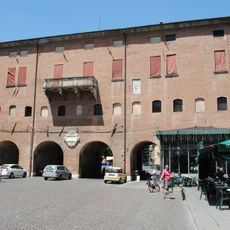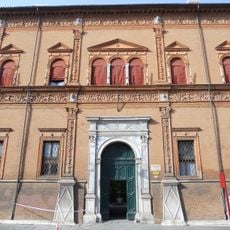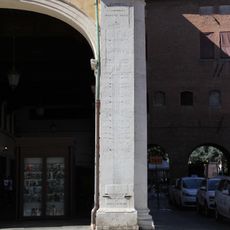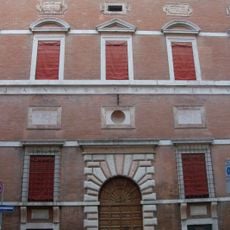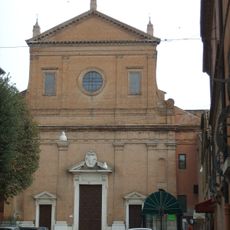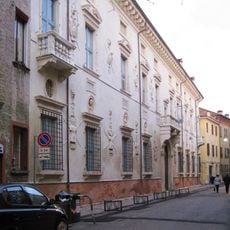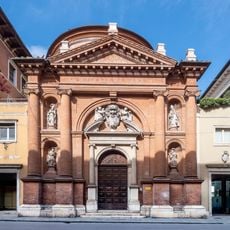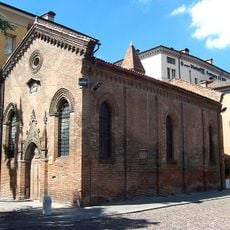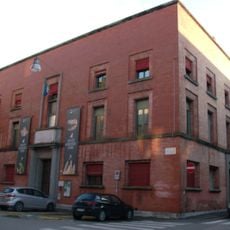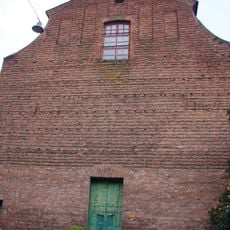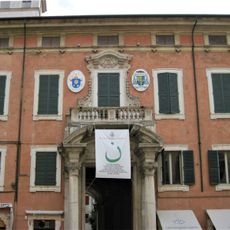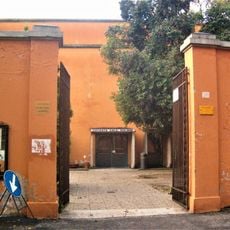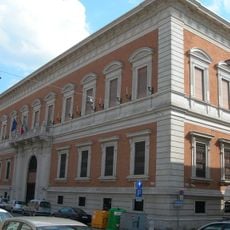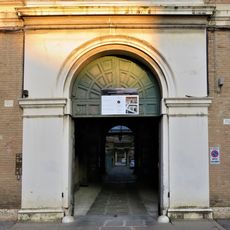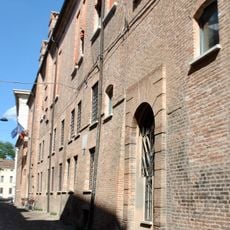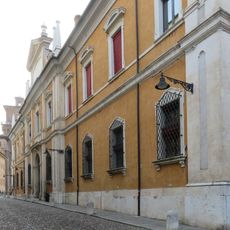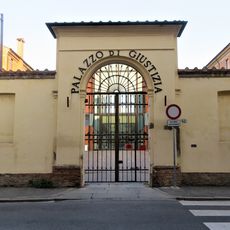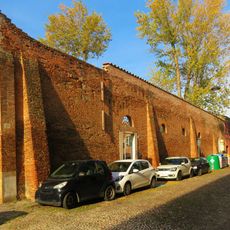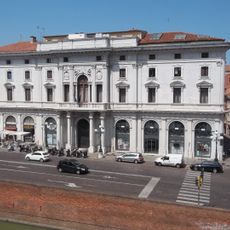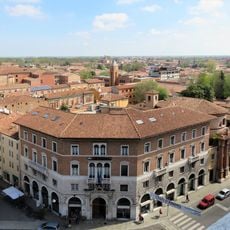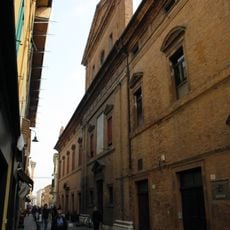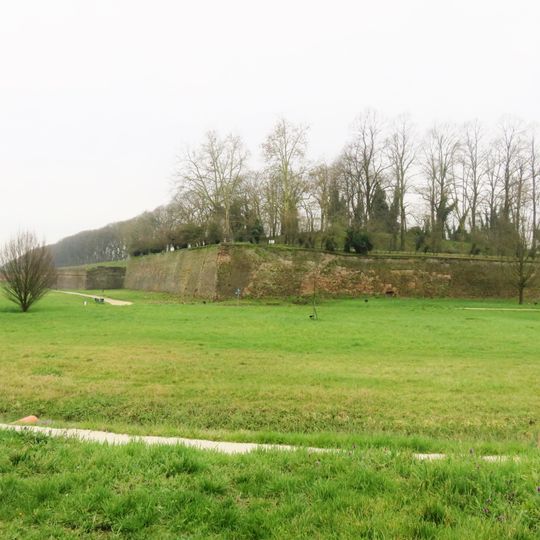
Urbanistica di Ferrara, Renaissance urban design in Ferrara, Italy.
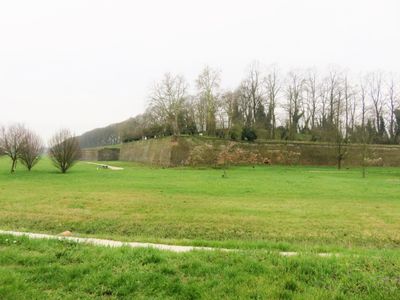
The urban planning of Ferrara is a city system built on wide, straight streets arranged in geometric patterns that create a grid-like layout. The design organizes residential neighborhoods, public squares, and important buildings into distinct zones that work together as a functional whole.
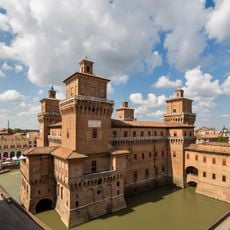
In the 15th century the Este family transformed Ferrara by creating a new model of city planning based on mathematical principles and rational order. This approach made the city a landmark example of modern urban design across Europe.
The wide streets and geometric squares of Ferrara show how Renaissance thinkers believed a properly designed city could improve daily life and social order. Even today you can see how the layout guides how people move through the city and gather in public spaces.
The best way to experience the city layout is to walk through the different neighborhoods, starting from the center and moving outward through the broader zones. Wear comfortable shoes as you will cover long straight streets, but the flat terrain makes walking easy throughout.
The Addizione Erculea neighborhood built in the 16th century was among the first urban projects in Europe to use strict mathematical calculations rather than tradition to design streets and public spaces. Architects from across Europe traveled to Ferrara to study this innovative approach to city building.
The community of curious travelers
AroundUs brings together thousands of curated places, local tips, and hidden gems, enriched daily by 91,653 contributors worldwide.