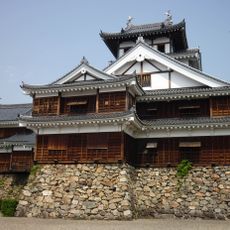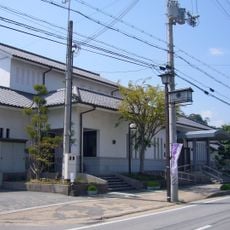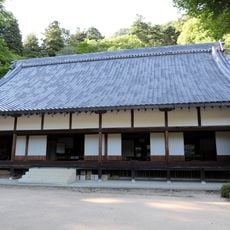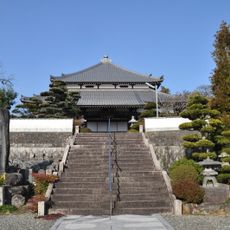
Entsu-ji, Buddhist temple in Tamba, Japan
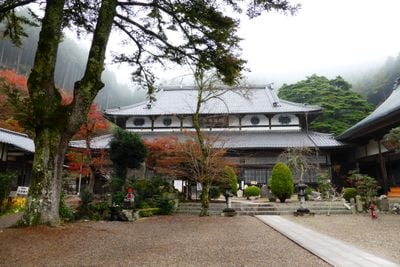
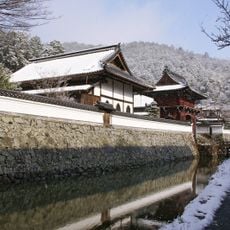
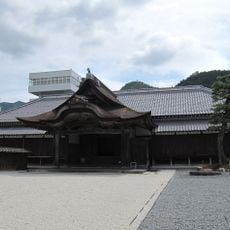
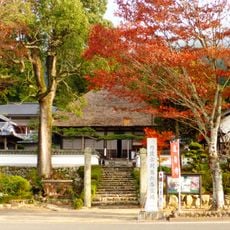
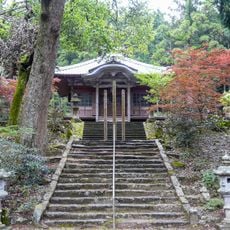
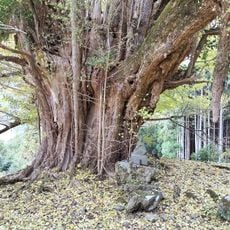
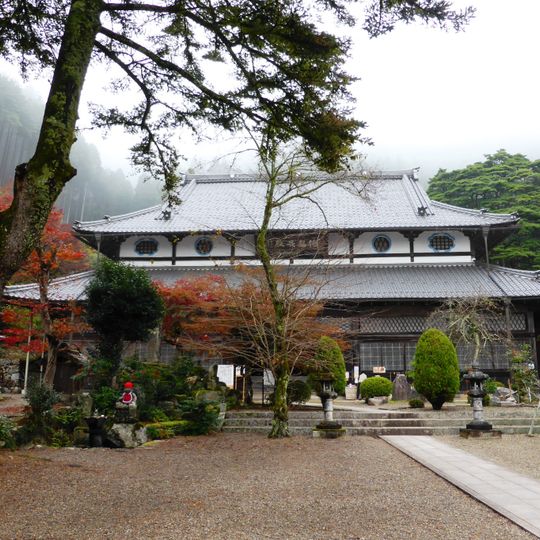
Entsu-ji is a Buddhist temple in Tamba surrounded by mature trees and traditional gardens, featuring a dry garden composed of 40 rocks arranged in moss beds. The grounds display classic Zen garden design with each element deliberately positioned.
The site began its religious life in 1678 when it became a Buddhist temple under the guidance of nun Enkoinbunei. Previously it served as an imperial residence during the 17th century before its transformation.
The temple belongs to the Rinzai Zen Buddhist tradition and displays a kakemono portrait of Emperor Reigen that reflects the spiritual significance of the site. This artwork appears in spaces that show how the temple has served as a center for meditation and contemplation.
The temple is located north of Kyoto and remains accessible by local bus with a brief walk from the nearest stop. The grounds are modest in size, so visitors can explore all areas comfortably during a half-day visit.
The dry garden employs borrowed landscape technique, where Mount Hiei appears perfectly framed by surrounding trees in the background. This natural framing is an intentional design choice that connects the garden with the distant mountain.
The community of curious travelers
AroundUs brings together thousands of curated places, local tips, and hidden gems, enriched daily by 91,698 contributors worldwide.