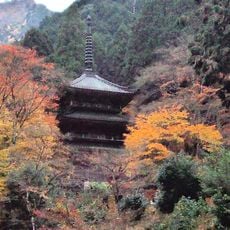
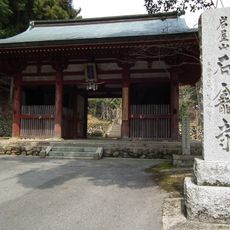
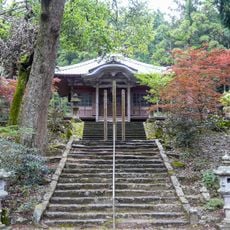
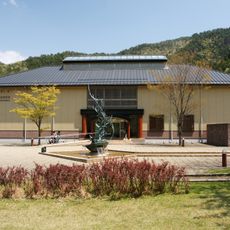
Tasshin-ji, Buddhist temple in Tamba, Japan.
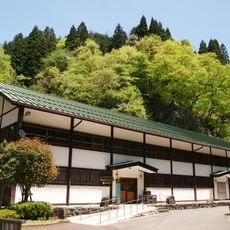
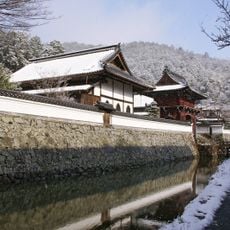
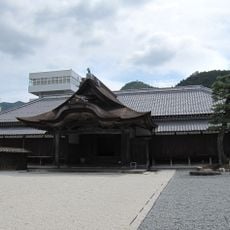
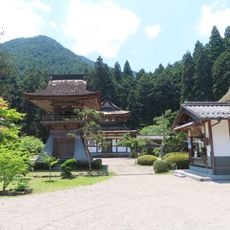
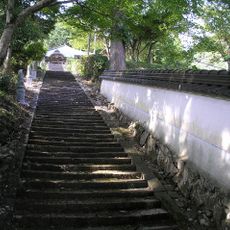
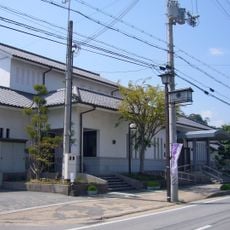
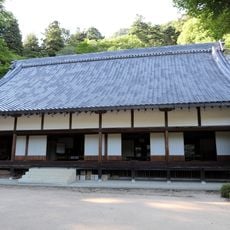
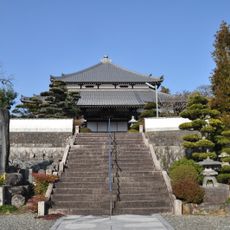
Tasshin-ji is a Sōtō Zen temple in the Hikami-chō Kiyosumi district of Tamba, Hyōgo Prefecture, with the mountain name Jūkusan. Its main hall, the Tarumi-dō, houses an Amida Buddha statue, and its treasure hall holds more than 80 wooden Buddhist statues from the early Heian to Kamakura periods, including 12 nationally designated Important Cultural Properties.
Tradition attributes the founding to Gyōki, though the temple's early history is uncertain. It grew into a large temple with warrior monks, then was burned during Akechi Mitsuhide's campaign in Tamba. In 1695, after an epidemic, villagers recovered statues hidden in the mountains during that attack and moved a hillside hall down to the present site. In 1712 it was reestablished as a Sōtō Zen temple.
The temple is the sixth stop on the Tamba Koshaku Fifteen Temple pilgrimage and the twenty-fifth site of the Saigoku Yakushi Forty-Nine Sacred Places. Its name comes from the Tarumi-dō hall, moved here as the main hall, which gave the mountain name Jūkusan. The storehouse of Buddhist statues earned the temple the nickname "Shōsōin of Tamba."
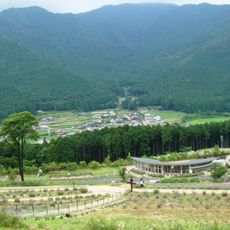
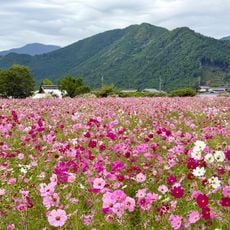
From JR Fukuchiyama Line Ishi or Kaibara Station, take a taxi for 20–25 minutes, or ride the Wing Shinki bus toward Saji and get off at Narimatsu-Kitamachi, then walk about one hour (taxi under 10 minutes). A katakuri colony near the temple peaks in early April, and a cosmos festival is held in nearby fallow fields in early October.
The temple is nicknamed the "Shōsō-in of Tamba" for its treasure hall, which holds over 80 wooden Buddhist statues, including 12 national Important Cultural Properties and 34 prefectural ones. Sixteen of them are Tobatsu Bishamonten, a rare type supported by the earth goddess Tennyo. Some statues are unfinished, and others show the so-called Tasshin-ji style with a bulging belly.
The community of curious travelers
AroundUs brings together thousands of curated places, local tips, and hidden gems, enriched daily by 93,495 contributors worldwide.