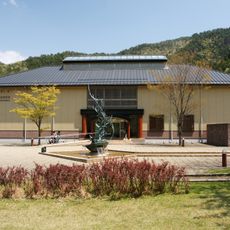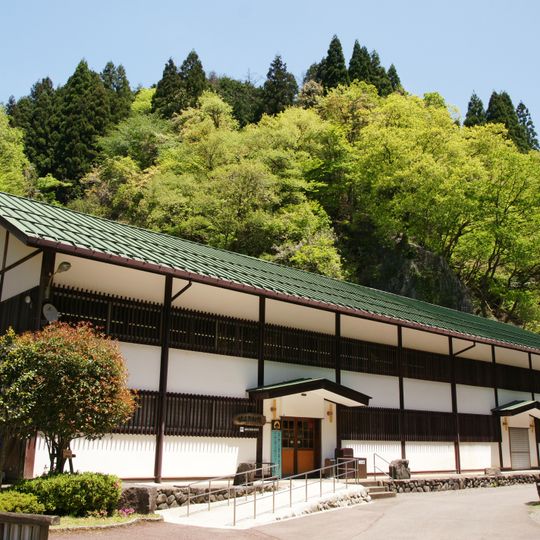
Ikuno Mine, Silver mine and mining museum in Asago, Japan
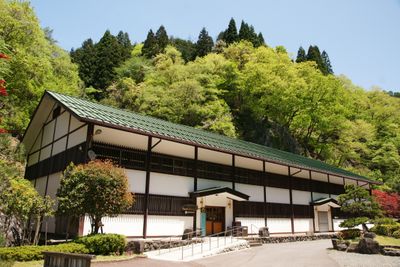
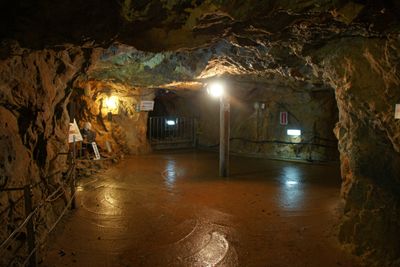
Ikuno Mine is a former silver extraction site and mining museum in Asago where one kilometer of underground tunnels runs through the mountain, allowing visitors to see extraction methods from several centuries. The passages display tools, walls marked by hand and machine work, and recreated scenes of past working conditions.
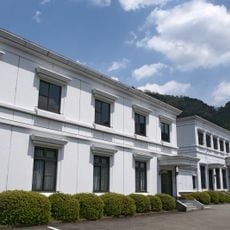
Tradition dates the opening to 807, but large-scale mining began in 1542 when Yamana Suketoyo introduced the cupellation method from Iwami. The Tokugawa shogunate made it a direct domain in 1600, and in 1868 it became Japan's first government-run mine, modernised by French engineer Jean Francisque Coignet. It closed on 22 March 1973.
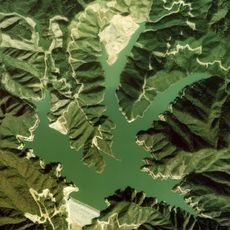
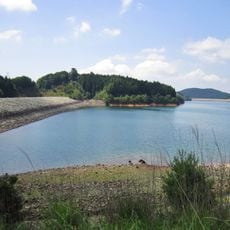
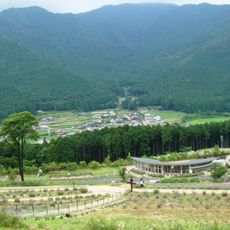
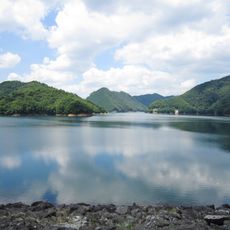
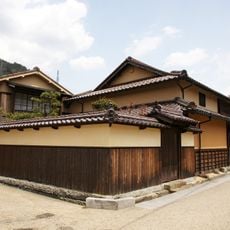
The mine's name lives on in the Ginzan Lake reservoir, completed in 1972 upstream on the Ichikawa River and named after the mine. The surrounding mining town was designated a Important Cultural Landscape in 2014, Japan's first such listing for a working mining town, covering four districts: Kanagase, Okuginaya, Tasei and Kuchiginaya.
The temperature inside the tunnels stays around 13 degrees Celsius year-round, so bringing a jacket is advisable even in summer. Guided tours with English explanations are available for international visitors to help everyone understand the technical details.
Two original gateposts at the entrance carry the imperial chrysanthemum crest, marking the time when the site belonged directly to the Japanese imperial family. These rare symbols point to the period when the operation was under direct control of the throne.
The community of curious travelers
AroundUs brings together thousands of curated places, local tips, and hidden gems, enriched daily by 94,246 contributors worldwide.