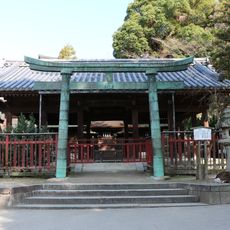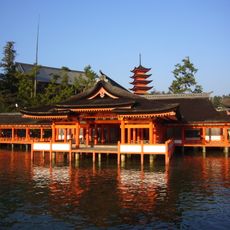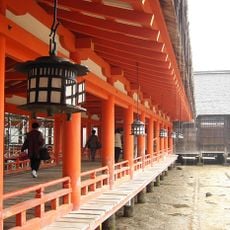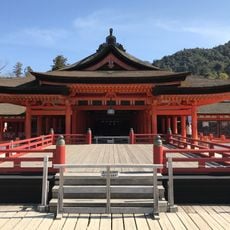
Senjōkaku, Buddhist shrine in Hatsukaichi, Japan
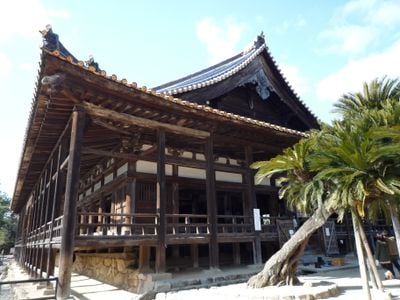
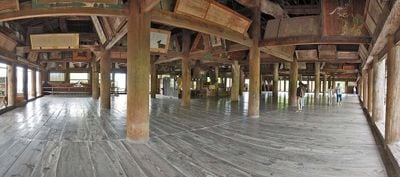
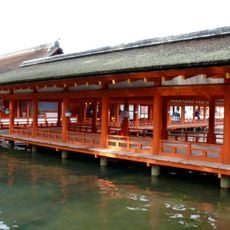
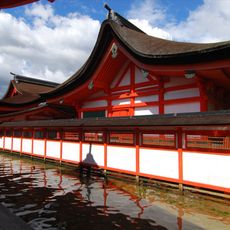
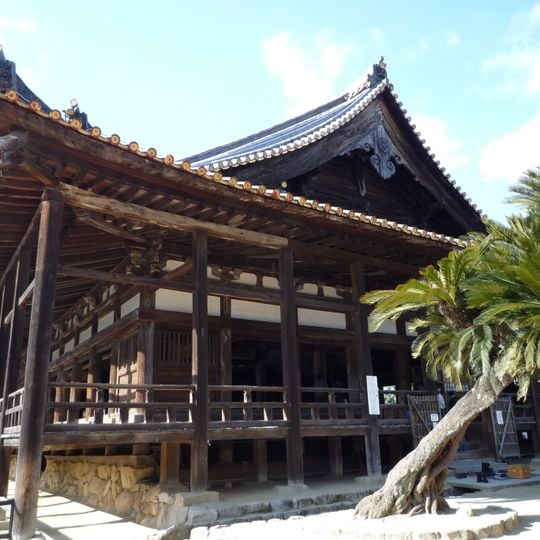
Senjōkaku is a large wooden hall in Hatsukaichi measuring roughly 39.5 meters long and 21.1 meters wide. The structure was left intentionally unfinished, displaying exposed wooden beams and missing ceiling panels that allow light to filter inside.
Toyotomi Hideyoshi ordered construction in 1587 as a Buddhist sutra hall to honor fallen soldiers during his campaign against the Shimazu clan. The project remained unfinished after his death, leaving the building in its distinctive incomplete state.
The interior features large wooden pillars arranged in regular intervals and a raised platform at the center holding numerous ceremonial rice paddles. This layout allows visitors to understand how the space was used for Buddhist rituals and ceremonies.
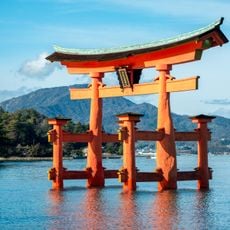
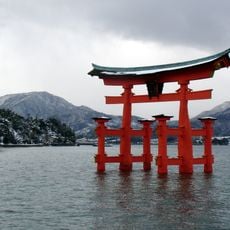
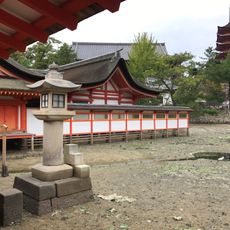
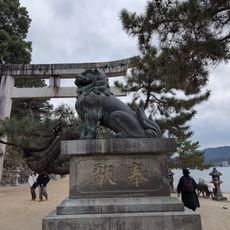
The building stands near Itsukushima Shrine and can be explored as part of a broader sightseeing route. The missing ceiling panels provide natural lighting throughout the day, making it easy to walk through and examine the interior from different angles.
The roof tiles bear gold-leafed characters spelling 'king', reflecting Hideyoshi's taste in architecture and his rise from peasant to national ruler. This small but striking detail reveals something about the pride and ambition of that era.
The community of curious travelers
AroundUs brings together thousands of curated places, local tips, and hidden gems, enriched daily by 60,000 contributors worldwide.