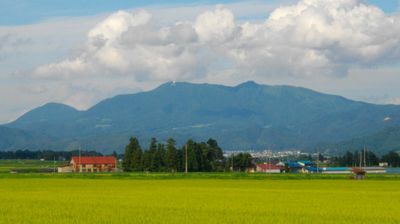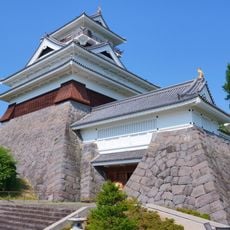
Mount Shirataka, Extinct volcano in Shirataka, Japan
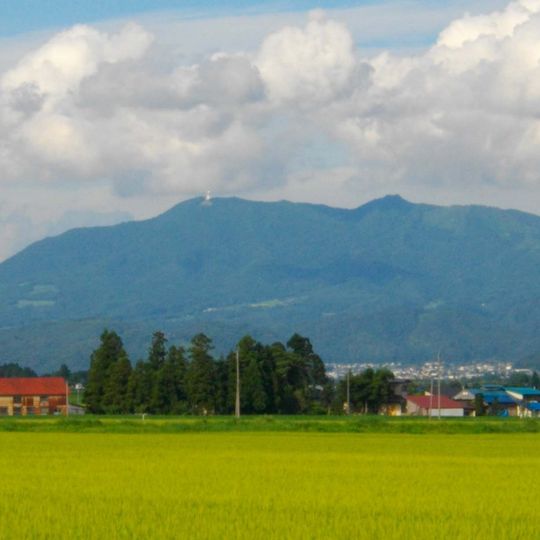
Mount Shirataka is an extinct volcano that rises 994 meters (3,261 feet) above sea level, with multiple lakes and wetlands at its northeastern crater. These water sources have sustained the rice paddies of the surrounding communities for generations.
The volcano last erupted between 800,000 and 1,000,000 years ago, creating its distinctive geological structures of andesite and dacite rock. Large debris deposits from these ancient eruptions remain visible in the landscape today.
The Kokuzō Bosatsu shrine at the summit honors the deity of agriculture and silk production, reflecting its importance to local life and traditions. Visitors gather here during festivals to connect with these key aspects of the region's heritage.
Four marked hiking trails lead to the summit, with the Nakayama route offering the quickest ascent of about one hour through well-maintained forest paths. The trails vary in difficulty, allowing visitors of different fitness levels to find a suitable option.
The mountain's name inspired a title given to an Edo-period feudal lord, whose administrative principles later earned recognition from President John F. Kennedy. This historical connection links the peak to ideas about effective governance.
The community of curious travelers
AroundUs brings together thousands of curated places, local tips, and hidden gems, enriched daily by 92,428 contributors worldwide.