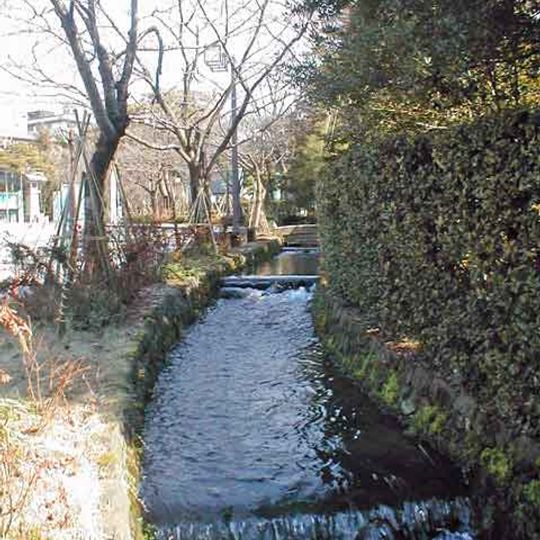
Tatsumi Canal, Historic aqueduct in Kanazawa, Japan.
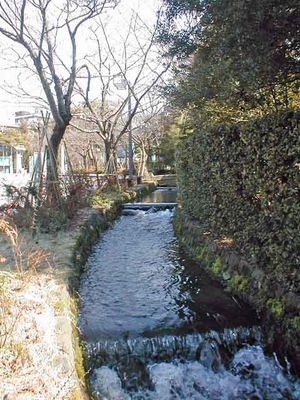
The Tatsumi Canal is a historic waterway built from local Kanaya stone that runs through Kanazawa, connecting the castle, its surrounding moats, and nearby gardens. The system was designed to move water across varied terrain using channels and underground passages.
The canal was constructed in 1632 following a major fire that damaged the castle, with the goal of supplying water for fire prevention and daily use. This project marked an important step in rebuilding and protecting the city after the disaster.
The canal reflects how Edo period residents engineered solutions to bring water into their growing city for daily needs and safety. Walking along it, you can see how the waterway still shapes the city's relationship with water today.
The canal is accessible at several points where you can view the stone channels and flowing water up close. It's better to visit during drier seasons when water levels are lower, making the structure easier to see and navigate.
The system uses an inverted siphon technique to push water uphill without modern machinery, demonstrating clever engineering from the early Edo period that still works today. This hidden method allowed builders to overcome steep terrain that would have otherwise blocked the water flow.
The community of curious travelers
AroundUs brings together thousands of curated places, local tips, and hidden gems, enriched daily by 91,531 contributors worldwide.