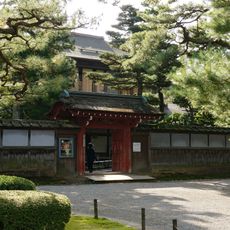
Hondanomori Park, Urban park in Kanazawa, Japan.
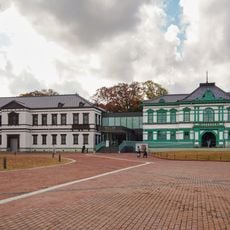
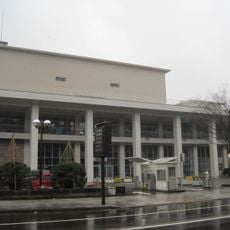
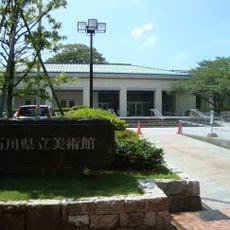
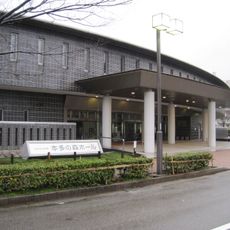
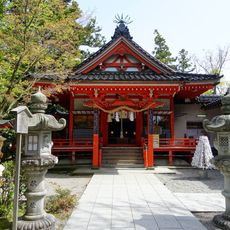
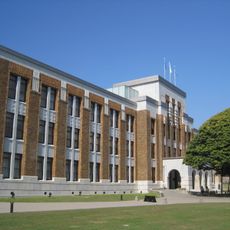
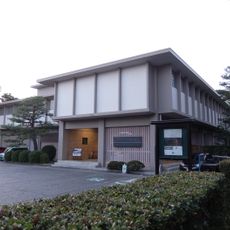
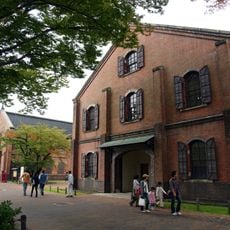
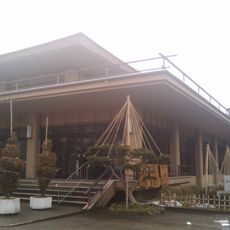
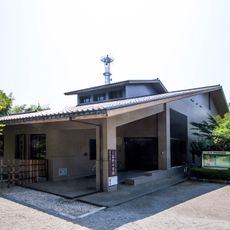
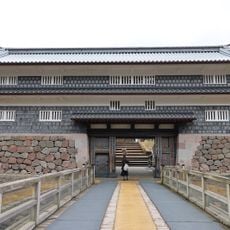
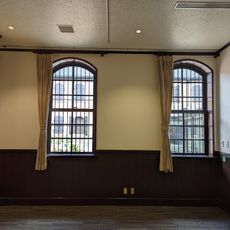
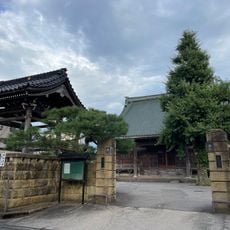
Hondanomori Park is a 5.9-hectare urban park in Kanazawa, opened on 1 April 1978. It lies south of Kenrokuen and contains many evergreen broadleaf trees, with walking paths laid out through the grounds. The park holds the Ishikawa Prefectural Museum of Art, the Ishikawa Prefectural History Museum, the Kaga-Honda Museum, the Ishikawa Prefectural Noh Theater, the Ishikawa Prefectural Traditional Crafts Center, the Ishikawa Gokoku Shrine, Seisonkaku, the Hondanomori Kitaden Hall and the National Crafts Museum.
The park was established in 1978 as part of Kanazawa's efforts to develop public green spaces. Its creation demonstrated the city's commitment to providing recreational areas for its residents.
The park's name comes from the Honda family, senior retainers of the Kaga domain whose samurai residences once lined this ground. In summer, the evenings and mornings bring the calls of the higurashi cicada, listed in 1996 by the Environment Agency among Japan's 100 Soundscapes as the "Hondanomori no semi-shigure".
The park lies south of Kenrokuen across Honda-machi, Dewa-machi and Ishibiki. Hokuriku Railroad buses stop at Dewa-machi and Seisonkaku-mae; the Kanazawa Furatto Bus (Kikugawa route) stops at Hondanomori Hall and the Prefectural Museum of Art. The grounds cover 5.9 hectares and are managed since 2007 by a designated administrator, the Uemune-Yoshimura group.
In summer, the park's cicadas were chosen in 1996 by the Environment Agency as one of Japan's 100 Soundscapes, under the name "Hondanomori no Semi-shigure". The grounds were once the site of the Honda family's samurai residences, later used by Kanazawa College of Art and as a parking lot for Hokuriku Broadcasting.
The community of curious travelers
AroundUs brings together thousands of curated places, local tips, and hidden gems, enriched daily by 93,360 contributors worldwide.