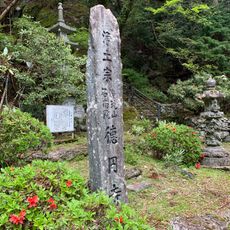
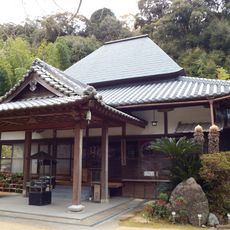
Wakasugiyama Site, Archaeological site in Anan, Tokushima Prefecture, Japan.
Wakasugiyama Site contains multiple excavated areas that reveal ancient mining operations cut into limestone slopes. The site sits near the Wakasugitani River on the island of Shikoku.
From the late Yayoi through early Kofun periods, this location served as a major cinnabar source that miners extracted through open-pit and horizontal tunneling methods. Mining activity shaped the use of this region over multiple generations.
The vermilion pigment produced here colored many ancient Japanese objects like dotaku bells and burial chamber decorations. This red pigment held special value in how people created and decorated their most important items.
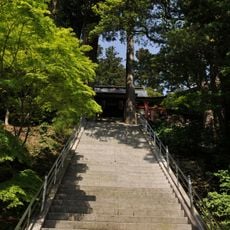
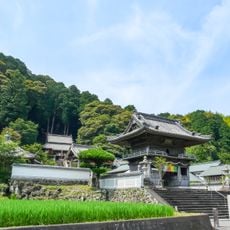
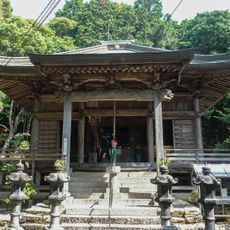
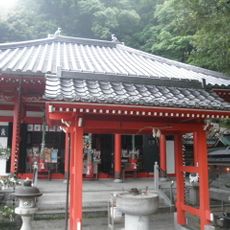
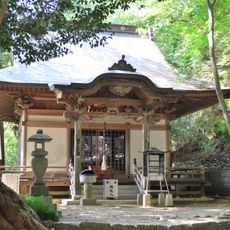
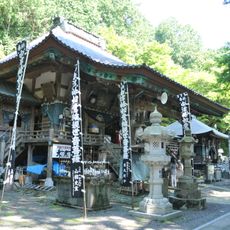
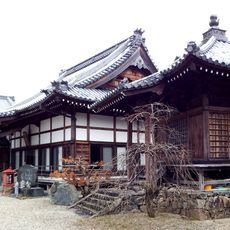
Visitors follow marked paths to elevations of 140 to 170 meters (460 to 560 feet) north of the Tairyū-ji temple complex. The uneven stone paths require stable footwear and moderate physical effort.
Excavations since 1984 have uncovered stone tools made from porphyrite sourced from eastern Kagawa Prefecture. These specialized tools reveal an established trade network for mining implements in ancient times.
The community of curious travelers
AroundUs brings together thousands of curated places, local tips, and hidden gems, enriched daily by 91,358 contributors worldwide.