Scilla, Italian comune
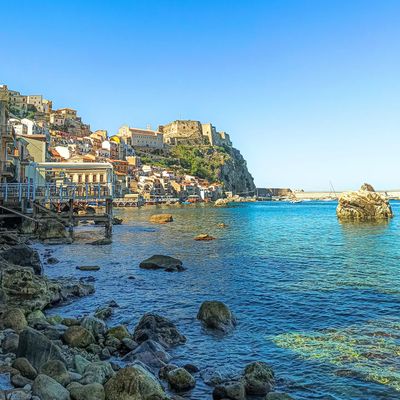
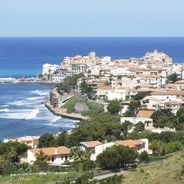
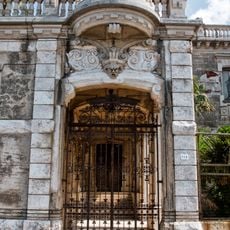
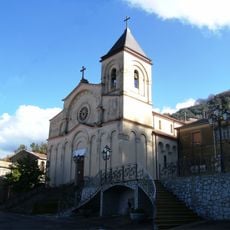
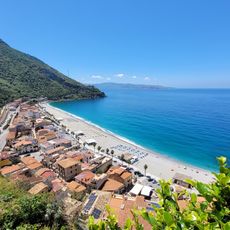
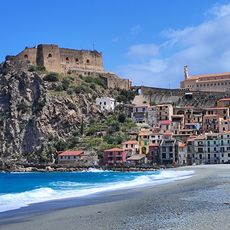
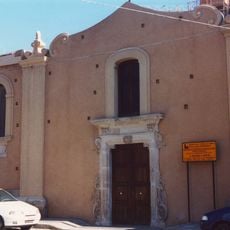
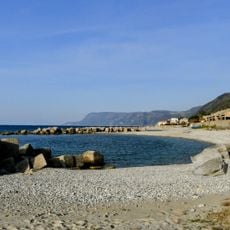
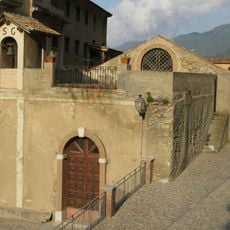
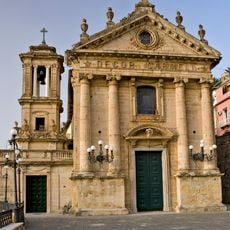
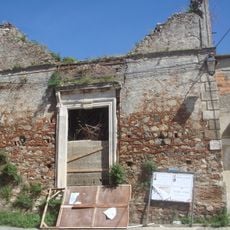
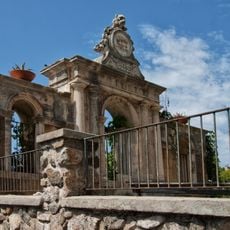
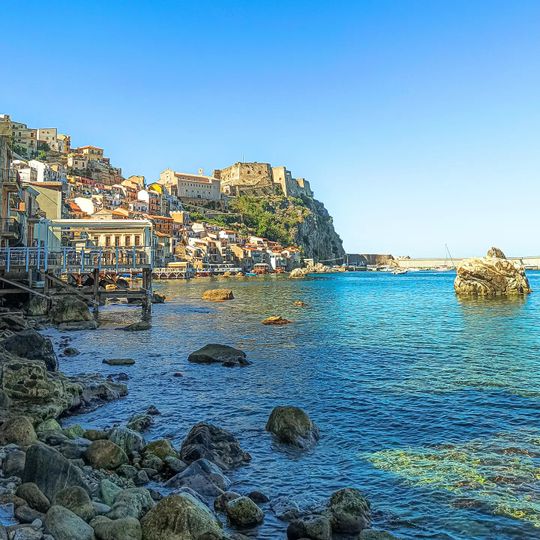
Scilla is a small commune in Calabria built on cliffs above the sea, with distinct quarters including the fishing hamlet of Chianalea where homes sit just steps from the water. Narrow lanes throughout the historic core descend toward beaches, while ancient walls and older buildings define the settlement's layout and construction history.
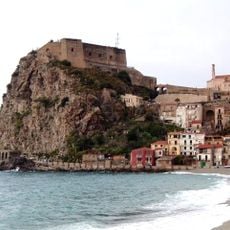
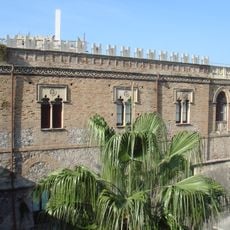
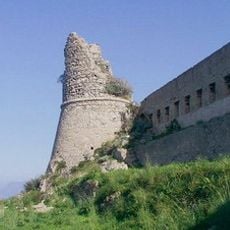
Scilla was established in ancient times as a trading port and served for centuries as a strategic point between different civilizations. Castle Ruffo, which has dominated the settlement since medieval times, was rebuilt multiple times and witnessed invasions and shifts in control that shaped the region.
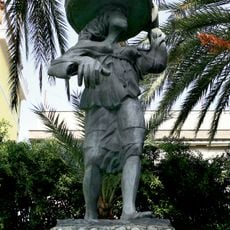
Scilla's identity is rooted in fishing traditions that shape daily life, from the boats anchored near the shore to the nets fishermen repair along the waterfront. The community maintains these sea-based customs through its food culture and the way locals work directly with the water that surrounds them.
The settlement is easiest to reach by train, with a station near the center and regular connections to larger cities. A car is another option, though finding parking during peak season can be difficult, and the narrow lanes in the core are not passable by vehicle.
Scilla is the setting of ancient mythology where the companion of Odysseus fell victim to a monster, and this legendary tale lives on in the place's name and local folklore. Few visitors know that the mysterious Tremusa caves nearby served as refuge from pirates for centuries and still hold their ancient character.
The community of curious travelers
AroundUs brings together thousands of curated places, local tips, and hidden gems, enriched daily by 91,392 contributors worldwide.