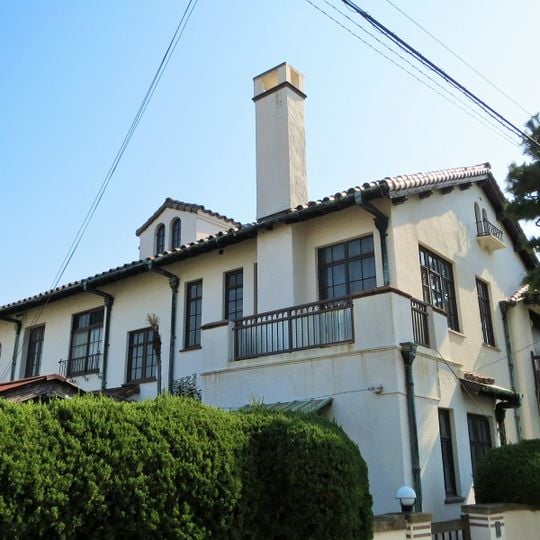
近江岸家住宅, Historical residence in Nishi-ku, Japan
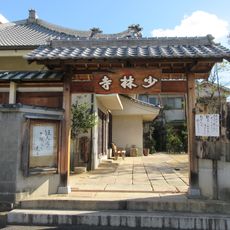
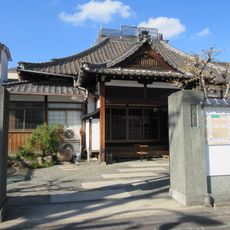
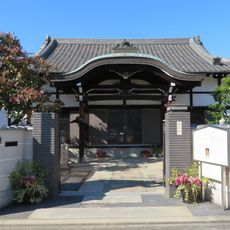
The residence in Nishi-ku is a wooden house with modern architectural elements that connects traditional Japanese rooms through wooden corridors and sliding doors. The layout combines spacious tatami rooms with western-style living areas bathed in natural light through large windows.
Built in 1935, the house shows architectural evolution during Japan's early Showa period, a time of intensive modernization. The design reflects western architectural influences that flowed into Japanese residential traditions during this era.
The residence shows how residents combined traditional Japanese rooms with modern furnishings and western influences, while the open wooden corridors and sliding doors shaped daily life between private and shared spaces. This blend of old and new reflects how families organized their homes in the 1930s.
The building sits in a residential area and requires careful navigation since it is not a prominent public landmark. When visiting, research beforehand and arrive prepared with local directions or a map to find it.
The house was designed by a western architect who brought his own innovative building style to Japan, making a significant contribution to modern Japanese architecture. This unusual east-west collaboration was rare and notable at that time.
The community of curious travelers
AroundUs brings together thousands of curated places, local tips, and hidden gems, enriched daily by 92,357 contributors worldwide.