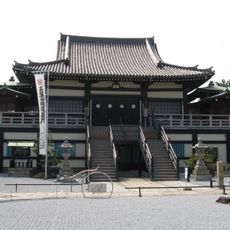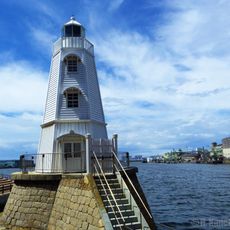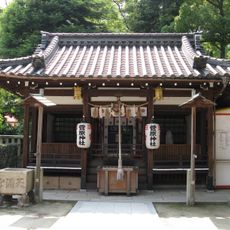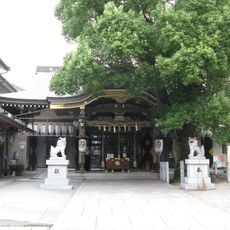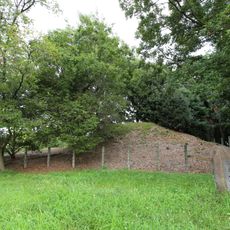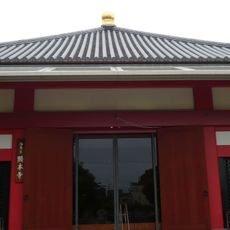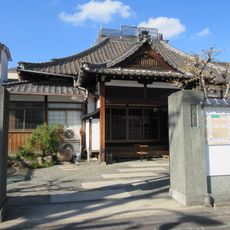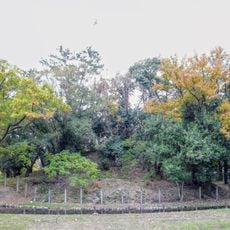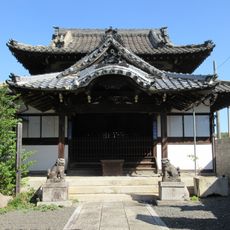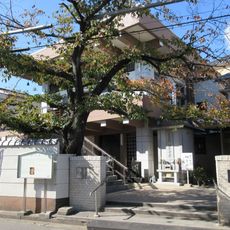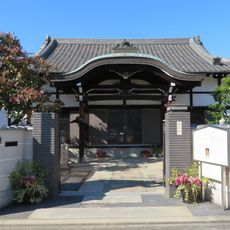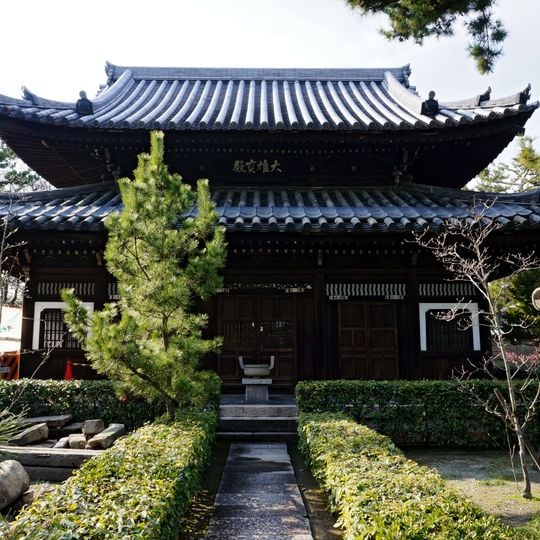
Nanshū-ji, Buddhist temple in Sakai-ku, Japan.
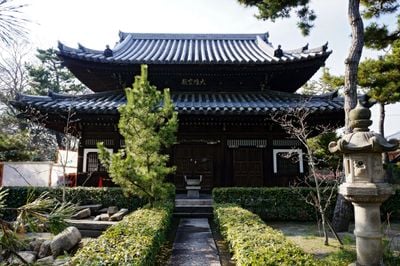
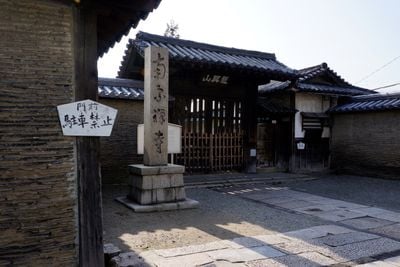
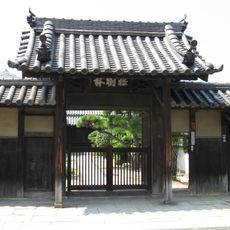
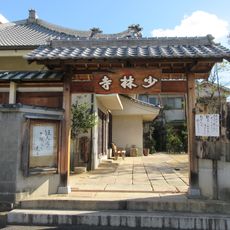
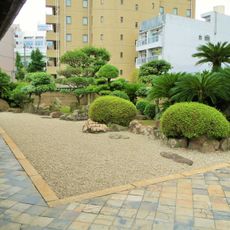
Nanshū-ji is a Buddhist temple in Sakai-ku, Japan, designated as an Important Cultural Property and a Place of Scenic Beauty. The complex includes a main hall, several ceremonial buildings, and a dry landscape garden outside the abbot's chamber where stones and white pebbles have highlighted natural elements since 1619.
The site was founded in 1526 as Nanshū-an and expanded in 1557 under Miyoshi Nagayoshi to honor his father. Later, the complex moved to its present location and grew into a major Zen temple.
The grounds preserve graves of tea ceremony masters and the ukiyo-e artist Utagawa Yoshitaki, offering insight into the region's artistic tradition. Visitors can trace the connection between Zen practice and the development of Japanese tea ceremony that has been cultivated here over centuries.
The complex opens daily to visitors and can be explored across different seasons as the garden atmosphere shifts. Access to the main buildings and the dry garden follows well-marked paths within the temple grounds.
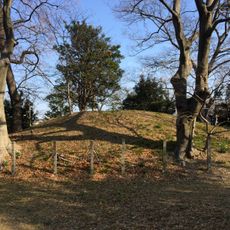
A monument on the grounds marks what is claimed to be the true burial site of Tokugawa Ieyasu, though historical sources do not confirm this. This assertion has drawn curious visitors and history enthusiasts alike over the years.
The community of curious travelers
AroundUs brings together thousands of curated places, local tips, and hidden gems, enriched daily by 60,000 contributors worldwide.