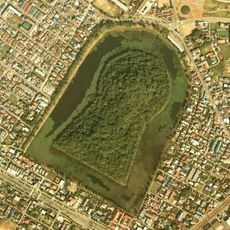
Sakai City Museum, City museum in Sakai-ku, Japan
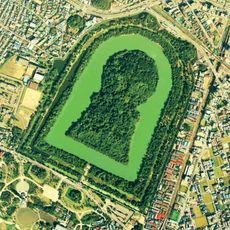
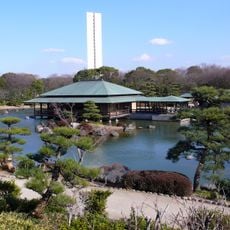
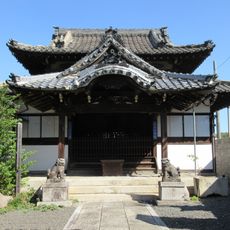
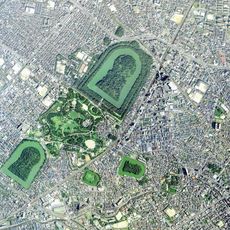
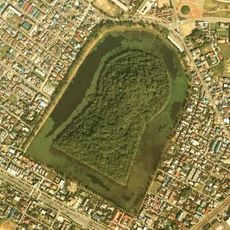
Sakai City Museum is a city museum in Daisen Park, Sakai-ku, with about 1,330 square meters of exhibition space divided into four rooms covering the Kofun period and Emperor Nintoku Tumulus, medieval Sakai, early modern to modern industry and culture, and festivals and prayer. The 1980 building was designed by Nikken Sekkei and includes two registered tangible cultural properties, the Shin'an and Ōbaian tea houses.
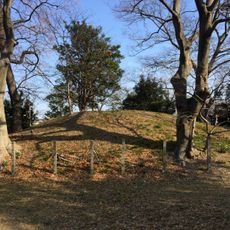
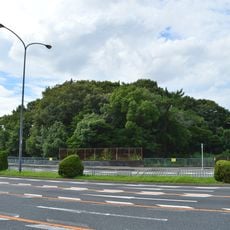
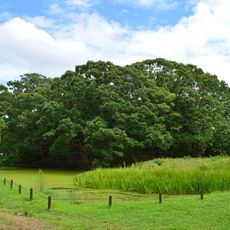
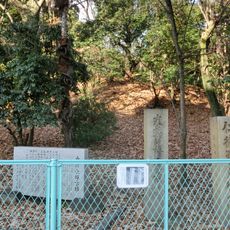
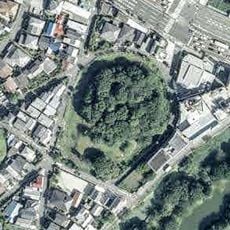
Sakai City Museum opened in 1980 to mark the 90th anniversary of Sakai's municipalization. It was designed by Nikken Sekkei and built inside Daisen Park, within the Mozu Kofun Group. In 2011 the International Research Centre for Intangible Cultural Heritage in the Asia-Pacific Region opened an office in the building. The Mozu-Furuichi Kofun Group, which the museum interprets, was inscribed as a UNESCO World Heritage Site on 6 July 2019.
Exhibits include folding screens depicting the Sumiyoshi Taisha festival, a replica of the original kept mostly in storage, and the futon-daiko drums used in local shrine rites. The museum also holds the Jōdo-ji nine-story stone pagoda, dated by inscription to 1306, and a sandalwood Kannon statue from the Asuka period.
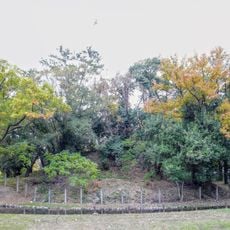
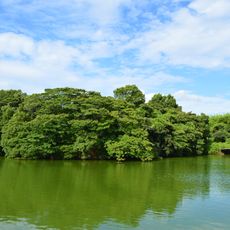
The museum sits within Daisen Park, making it convenient to explore alongside outdoor walks and park grounds. Plan to spend time both indoors viewing exhibits and outdoors enjoying the park setting.
The museum holds a 1473 lacquered drum-shaped sake barrel and a sandalwood statue of Avalokitesvara from the Asuka period, both Important Cultural Properties. A 1306-dated stone pagoda from the former Jōdo-ji site in Chihaya-Akasaka is also kept here. Since 2011 the museum has housed the UNESCO-supported International Research Centre for Intangible Cultural Heritage in Asia-Pacific.
The community of curious travelers
AroundUs brings together thousands of curated places, local tips, and hidden gems, enriched daily by 94,383 contributors worldwide.