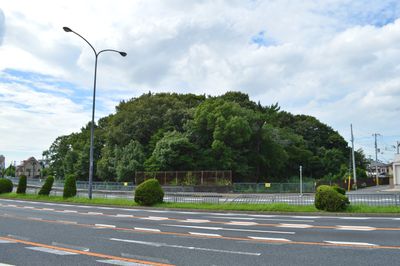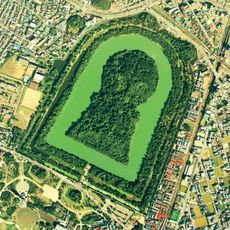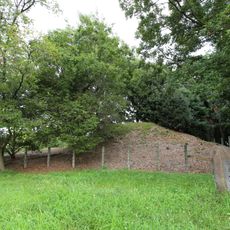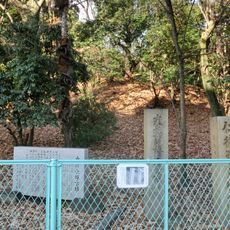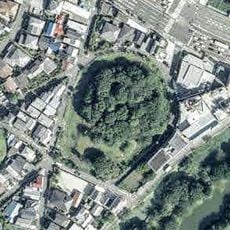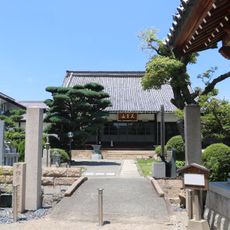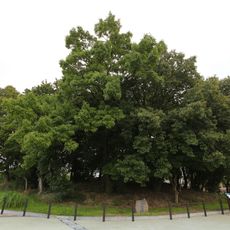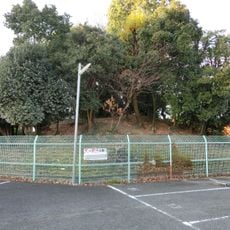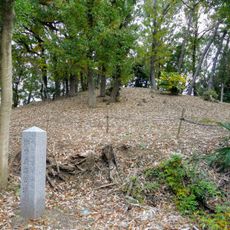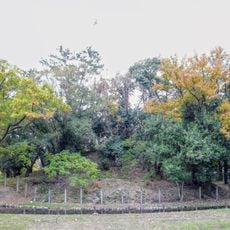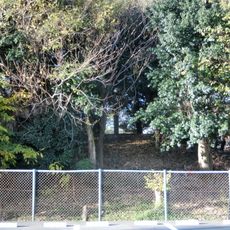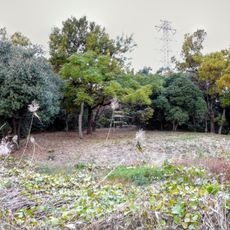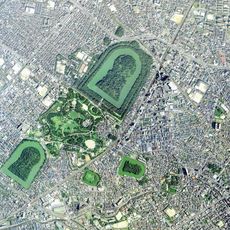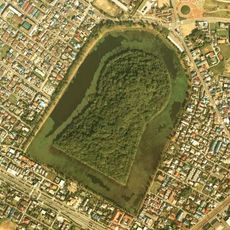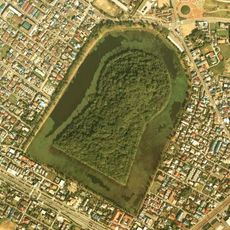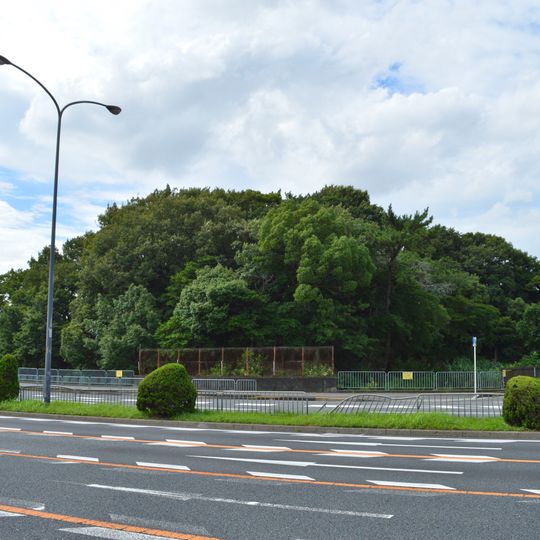
Nagayama Kofun, Archaeological burial mound in Sakai-ku, Japan.
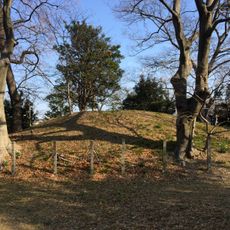
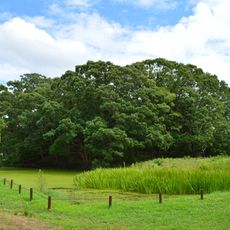
Nagayama Kofun is a large burial mound shaped like a keyhole, constructed from earth and stones and stretching several hundred meters in length. The structure demonstrates early Japanese engineering skill and the capacity to execute massive projects.
The mound dates to around 500 CE during the Kofun period, when such structures marked the burial places of Japanese elites. These graves show the shift toward more complex social organization in early Japanese civilization.
This site belongs to the Mozu-Furuichi Kofun complex, where early Japanese leaders were honored through monumental earthen constructions. The shape and scale of these burial mounds directly reflected the power and rank of those interred within.
The site is easily accessible on foot from Mozu Station and features several viewing points to observe the ancient structure. Visitors should note this is a large area, so comfortable shoes and time to explore at your own pace are recommended.
Excavations beginning in 2018 revealed materials and artifacts from the fifth century that document burial practices and construction methods. These discoveries provide rare insights into how people of that era built and honored their dead.
The community of curious travelers
AroundUs brings together thousands of curated places, local tips, and hidden gems, enriched daily by 91,985 contributors worldwide.