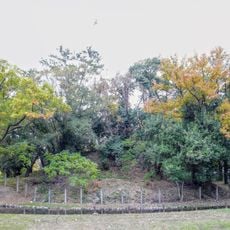
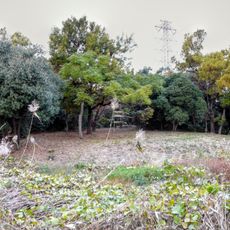
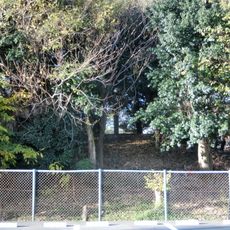
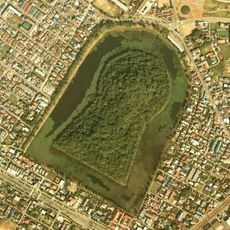
Nagatsuka Kofun, Ancient burial mound in Sakai-ku, Japan
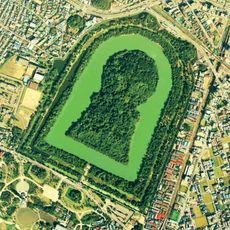
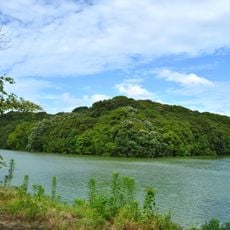
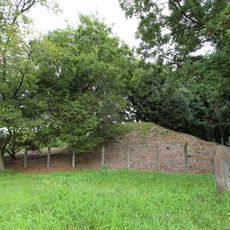
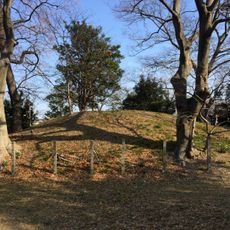
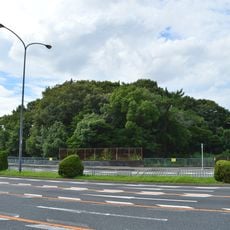
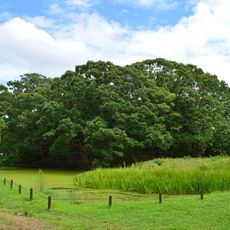
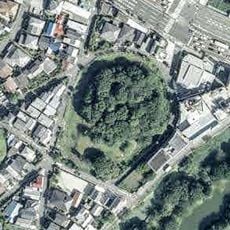
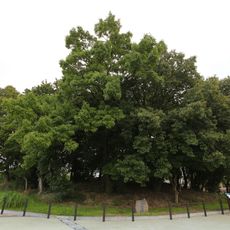
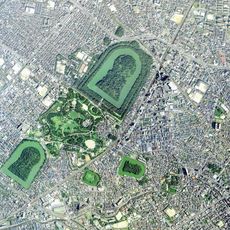
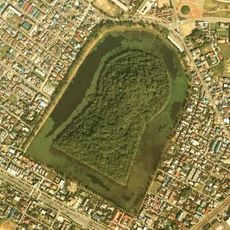
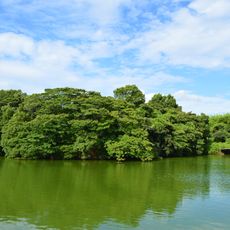
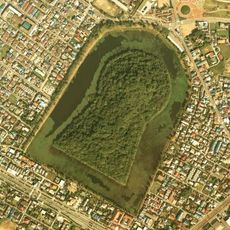
Nagatsuka Kofun is a keyhole-shaped mounded tomb 102 m long, with a 57 m rear round mound 8.2 m high and a 67 m front section 8.3 m high, built in three tiers with a projecting terrace at the southern waist. It faces west just southeast of Daisenryo Kofun and west of Mozu Station. Its shield-shaped moat is now built over with housing.
This burial mound was constructed in the 5th century during a period when powerful rulers marked the landscape with monumental funerary structures. It stands as part of the Mozu complex, a group of royal tombs documenting the dominance of ruling dynasties of that era.
The name Nagatsuka, "long mound", refers to the elongated keyhole outline. The mound is an independent kofun, not a baizuka of the Daisenryo Kofun, because of its size and regular shape. Cylindrical haniwa and a lid-shaped haniwa were excavated here, and roofing stones have also been found.
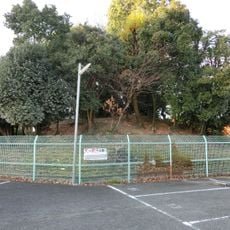
The mound is accessible by public transport with stations nearby connecting to major cities and transport hubs. The site is walkable with paths circling the structure, and open spaces allow you to move around freely and view the mound from various angles.
Excavations at Nagatsuka Kofun have yielded cylindrical and morning-glory-shaped haniwa, lid-shaped haniwa, Haji pottery and roofing stones. The cylindrical haniwa date the mound to around the mid-5th century, and its regular shape and size have led scholars to treat it as an independent tomb rather than a subsidiary of Daisenryo Kofun.
The community of curious travelers
AroundUs brings together thousands of curated places, local tips, and hidden gems, enriched daily by 93,604 contributors worldwide.