倉松落大口逆除, bridge in Japan
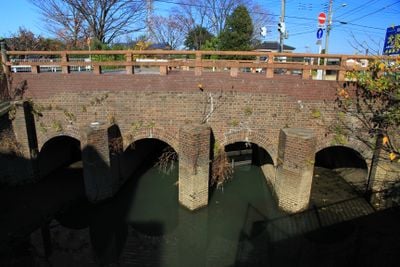
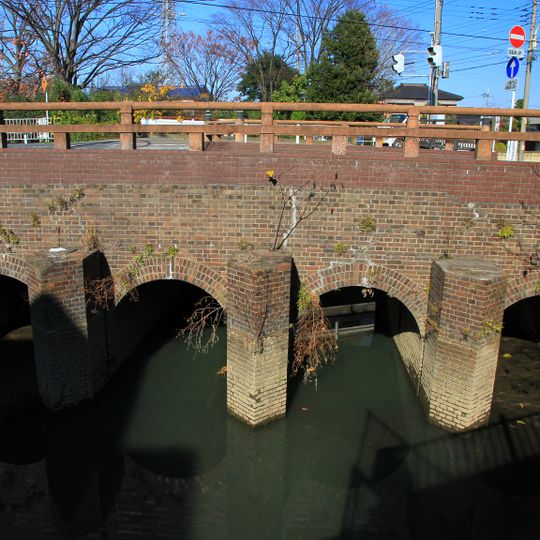
The 倉松落大口逆除 is a brick bridge in Kasukabe, Saitama, with four arches dating from the late 1800s. About 11 meters wide and just over 5 meters long, it was originally designed to prevent water from backing up during floods by controlling the flow of a small waterway below.
A wooden barrier originally protected this location from flooding, but it was destroyed during a major flood in 1890. Within three months, workers completed this brick bridge as a replacement, funded by donations from local residents and landowners along with government support.
The bridge's name reflects its original purpose of controlling water flow during floods, showing how the community valued protection of their farmland. Today, locals see it as a symbol of their shared history and the collaborative effort that shaped their region's safety.
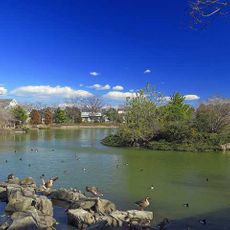
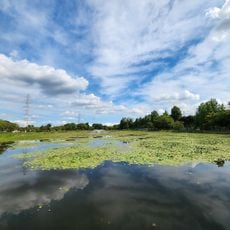
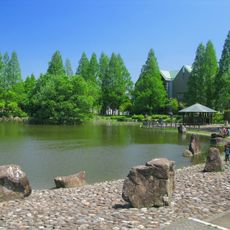
The crossing is wide and flat, making it easy to walk across while enjoying views of the water below and nearby green spaces. The bridge connects well with local walking paths, making it accessible from nearby parks and quiet routes throughout the area.
The bridge received recognition from the Japan Society of Civil Engineers in 2005 and was designated as important modernization industrial heritage by Japan's Ministry of Economy, Trade and Industry in 2007. It is the oldest brick bridge of its kind still standing in Saitama Prefecture, displaying engineering skill from the late 1800s.
The community of curious travelers
AroundUs brings together thousands of curated places, local tips, and hidden gems, enriched daily by 92,522 contributors worldwide.