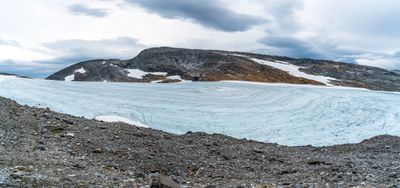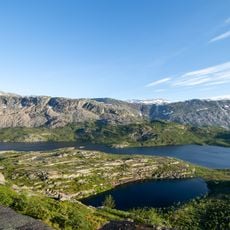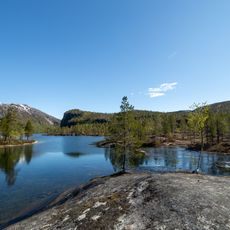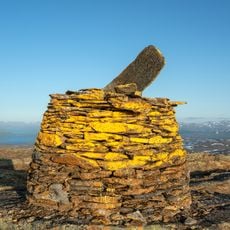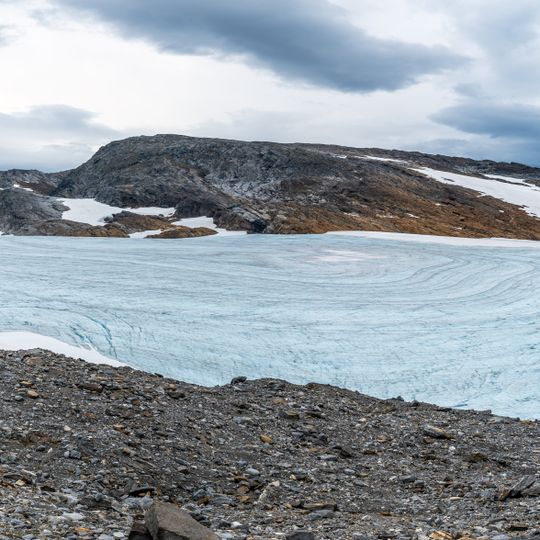
Rágujiekŋa, Glacier in Sørfold Municipality, Norway
Rágujiekŋa is a large glacier in Sørfold Municipality that stretches across a wide area and reaches an elevation of about 1,540 meters at its highest point. The glacier feeds several water systems: the Laksåga river to the southwest, the Sisovatnet system to the northwest, and various streams flowing northeast toward the Lule River.
The glacier formed during climate conditions from past ice ages and has continually shifted as glaciers have retreated. After 2000, water patterns changed noticeably as meltwater created new channels beneath the ice, redirecting flow away from the Luleälven toward the Sisovatnet system.
The Sámi communities have long ties to this glacial region that shape their way of life. Their presence in the area reflects generations of living alongside the ice and water systems.
The area is remote and requires good preparation and appropriate gear for hiking or exploring. Access is best during warmer months when routes are passable and weather is more stable.
Researchers discovered a large cylindrical hole formed by glacial lake drainage, offering special insights into how ice moves and changes. This opening shows how water works beneath the glacier and reshapes the ice structure over time.
The community of curious travelers
AroundUs brings together thousands of curated places, local tips, and hidden gems, enriched daily by 91,290 contributors worldwide.