Kolomenskoye, Royal estate in southern Moscow, Russia.
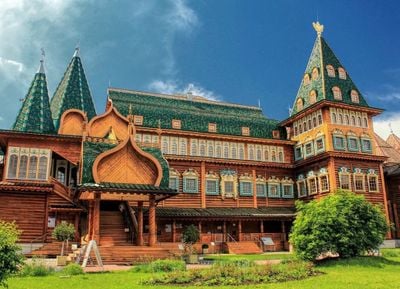
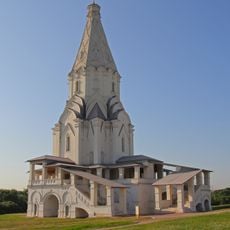
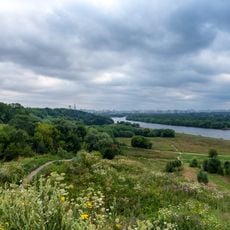
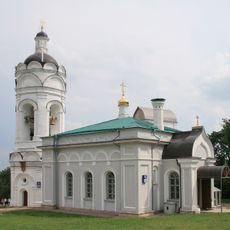
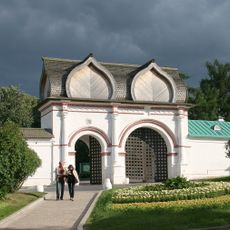
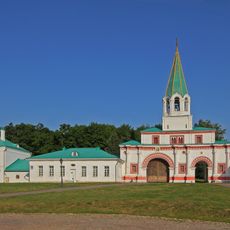
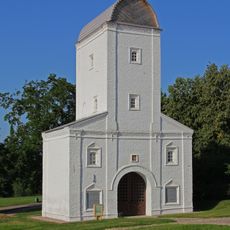
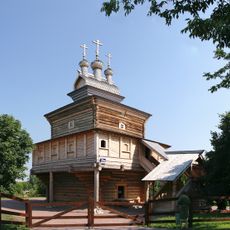
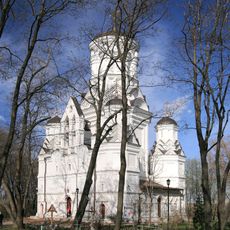
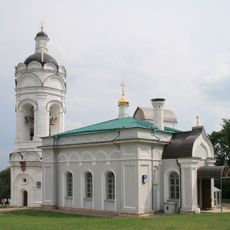
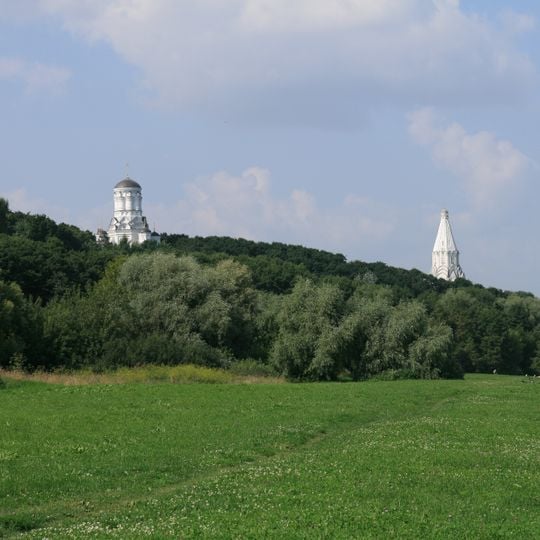
Kolomenskoye is a former royal estate and museum-reserve on the steep bank of the Moskva River in southern Moscow, covering about 390 hectares. Its earliest surviving structure is the white-stone Ascension Church of 1532, a tent-roofed tower rising from a cross-shaped base; nearby stand a 17th-century water tower and the rebuilt wooden palace.
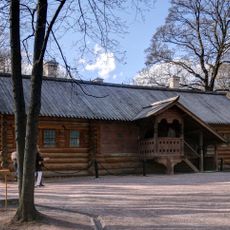
The place first appears in 1339 writings as a summer residence of Moscow princes, and later several tsars used it as a hunting and retreat spot. In the 17th century, Tsar Alexei Mikhailovich built a large wooden palace here that fell into decay after his death and was completely torn down in the mid-18th century.
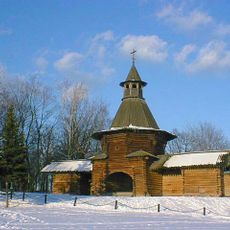
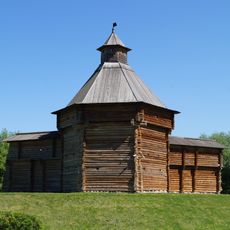
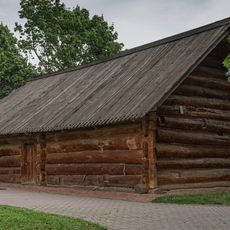
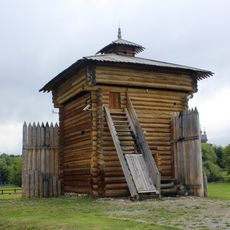
The village name comes from the old road to the town of Kolomna, and the Ascension church was built in 1532 in white stone to mark the birth of the heir who became Ivan the Terrible. Its tent-shaped form, unusual for its time, led UNESCO to list it in 1994. The park also holds wooden buildings and artifacts moved here from across the USSR in the early Soviet period on the initiative of restorer Pyotr Baranovsky.
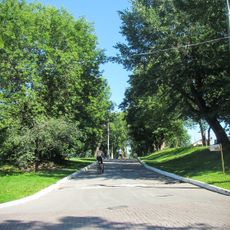
The grounds open daily from 7 in the morning until midnight between May and September, and from 8 in the morning to 9 at night during the colder months of October through April. Paths run through wide green spaces, and some buildings stand far apart, so comfortable shoes help for longer walks.
The wooden palace standing today is not a restoration but a reconstruction built in 2010 from old drawings at a different spot inside the park. Inside, visitors can take costumed photos wearing replica tsar clothing, while audio guides explain the 17th-century room layouts.
The community of curious travelers
AroundUs brings together thousands of curated places, local tips, and hidden gems, enriched daily by 92,308 contributors worldwide.