Kasli cast iron pavilion, Cast iron architectural masterwork in Yekaterinburg, Russia
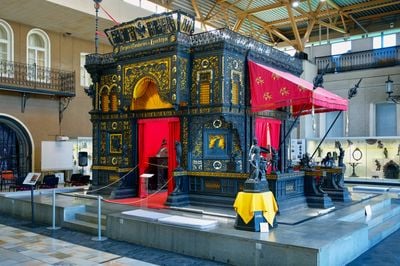
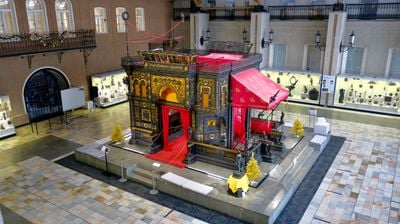
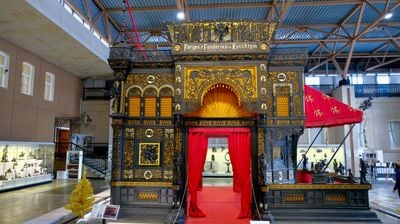
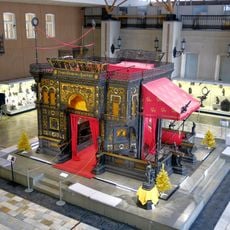
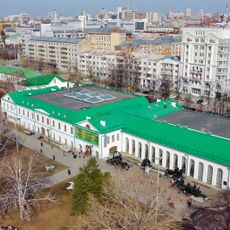
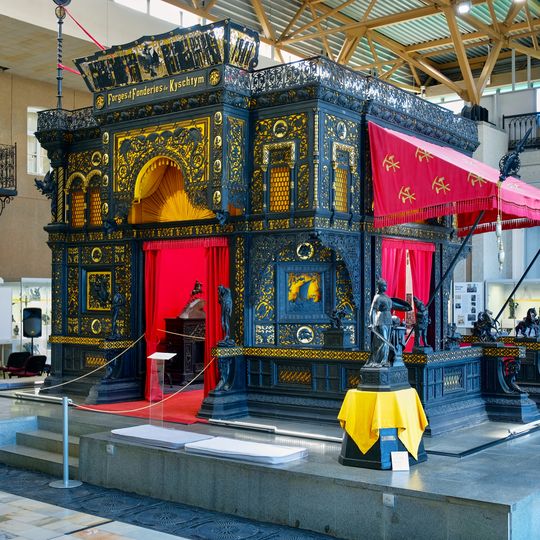
The Kasli cast iron pavilion is a 9 m (30 ft) tall structure housed in the Yekaterinburg Museum of Fine Arts in Russia. It follows the Byzantine Revival style and is made up of over 1,500 separate cast iron components assembled into one architectural composition.
The pavilion was built in 1899 specifically for the 1900 Paris World Exhibition, crafted by workers from the Ural city of Kasli. It won the Grand Prix at the event, and the French President at the time tried to purchase it.
The craftsmen who made the pavilion stamped their names onto individual cast iron pieces, a rare habit that shows how personally they felt connected to their work. Visitors who look closely at the surface can still find these signatures today.
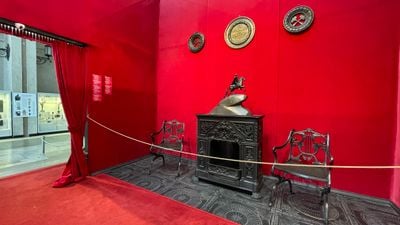
The pavilion stands on a granite platform inside the cast iron hall of the museum and can be walked around from all sides for a close look at the surfaces. It is worth taking time to look at it slowly, as many details only become visible up close.
This is the only cast iron building in any museum collection worldwide that survives as a complete original work. The UNESCO has recognized it as an achievement of industrial art.
The community of curious travelers
AroundUs brings together thousands of curated places, local tips, and hidden gems, enriched daily by 91,373 contributors worldwide.