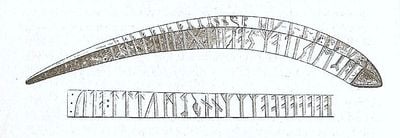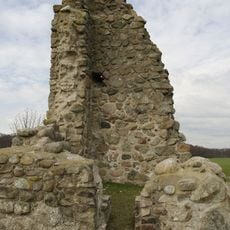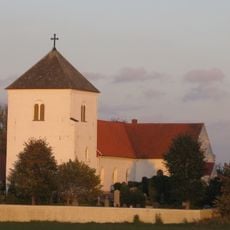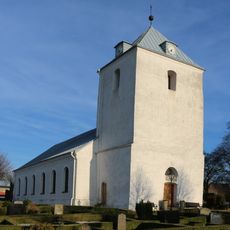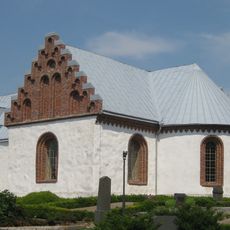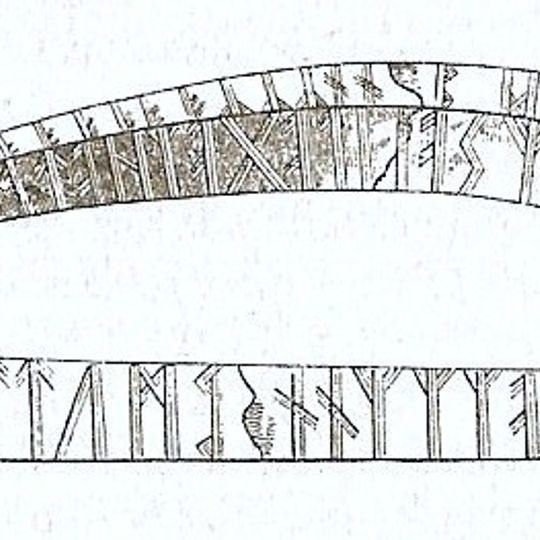
Lindholm amulet, Runic inscription monument in Lund Municipality, Sweden.
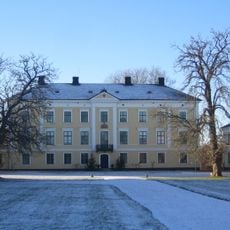
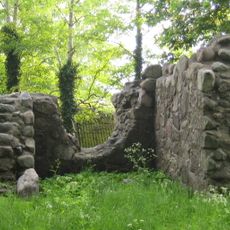
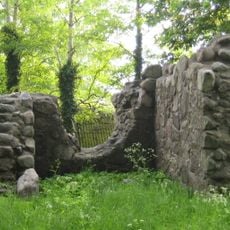
The Lindholm amulet is a 6th-century bone artifact with runes carved on both sides using the Elder Futhark alphabet of 24 characters. It was discovered near the ruins of Lindholm Castle and the Borren hillfort, and is now kept at the Historical Museum of Lund University.
The amulet dates to the 6th century and was found near two historical sites from that era. This period marks a time when runes were used for spiritual and personal purposes.
The carver's name is inscribed in the bone, and the text suggests magical purposes reflecting early Norse practices. The way the inscription was made shows how people expressed their skills and beliefs at that time.
The artifact is held in a museum collection under accession number 5084 and can be viewed through the institution. Visitors interested in seeing the original should contact the museum directly to check access and timing.
The inscription contains a full signature of a runemaster named Sawilagaz, showing he wanted to identify himself on the piece. Such personal marks on amulets are uncommon and reveal how craftspeople took pride in their work during this period.
The community of curious travelers
AroundUs brings together thousands of curated places, local tips, and hidden gems, enriched daily by 91,428 contributors worldwide.