Beiji Temple, Historical temple in West Central District, Taiwan
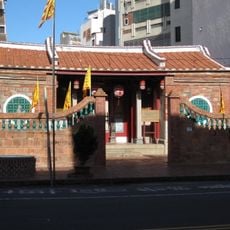
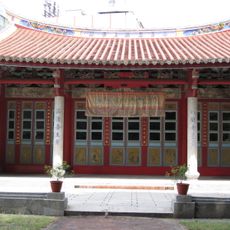
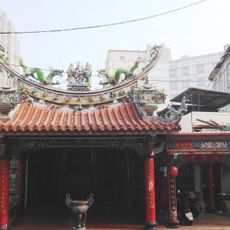
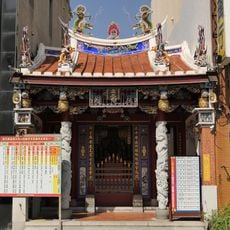
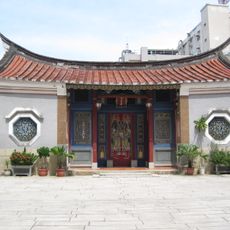
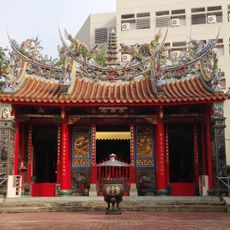
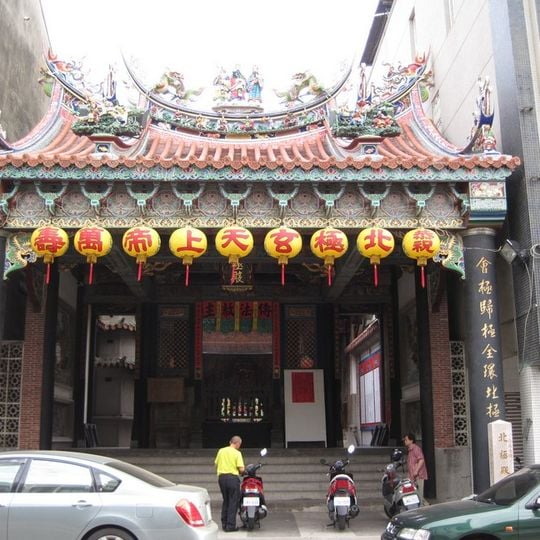
Beiji Temple is a heritage worship site in Tainan's western center, known for its layered roof tiles and red lacquered columns. Inside, several altars hold bronze bells and calligraphic inscriptions hanging on the walls, some dating back to the Ming period.
Dutch colonists built a clinic on this site in the 17th century, which was converted into a place of worship after Zheng Chenggong took control in 1665. Later renovations during the 18th and 19th centuries added the current roof structures and interior fittings.
The temple is one of the most active sites for followers who seek help against fire hazards and misfortune, earning it the local nickname "Little God of the North". Worshippers burn incense in the main hall and pray for household safety, continuing practices that have remained steady for centuries.
The site is about a 15-minute walk southwest of Tainan's main train station on Minquan Road and is open to visitors during daylight hours. Those who want to study the woodwork and inscriptions more closely should arrive in the morning when natural light streams through the side windows.
A stone tablet inside the courtyard bears the inscription 'wei ling he yi' by Prince Ningjing and is the oldest Ming dynasty artifact of its kind still standing in Taiwan. The characters were carved in the mid-1600s and have survived multiple renovations and natural disasters.
The community of curious travelers
AroundUs brings together thousands of curated places, local tips, and hidden gems, enriched daily by 91,767 contributors worldwide.