Stanford Dish, radio telescope in California
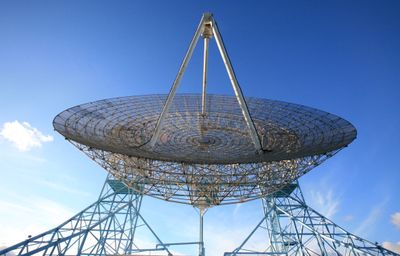
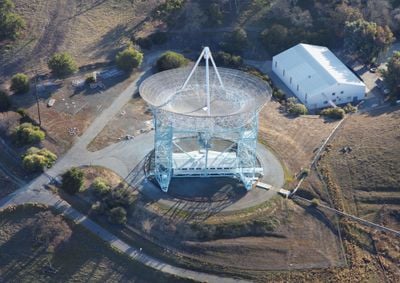
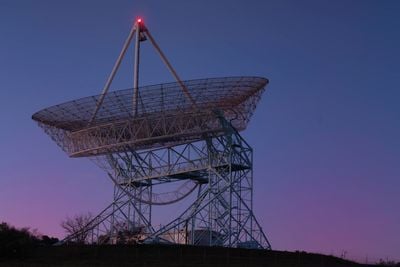
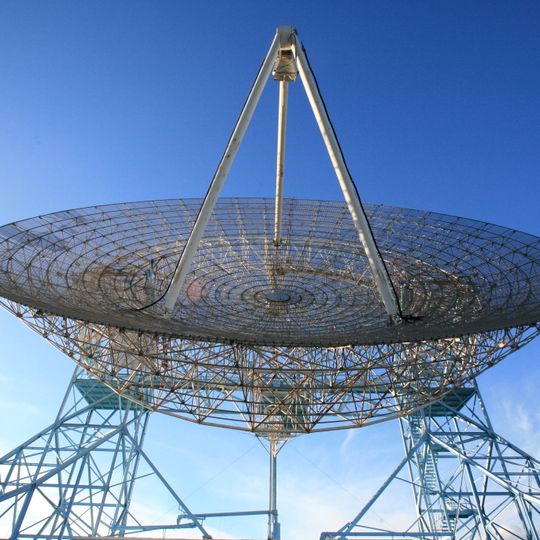
The Stanford Dish is a large radio telescope situated on a hilltop in California, featuring a massive bowl-shaped structure capable of moving to observe different parts of the sky. The instrument measures approximately 150 feet (46 meters) across and is mounted on a flexible concrete base that allows it to track and collect signals from space.
The telescope was constructed in the 1960s as part of a project to study signals from space during the space race era when planetary and stellar research was a major scientific priority. It has remained operational for decades, continuing to serve as a working instrument for radio astronomy research despite advances in technology.
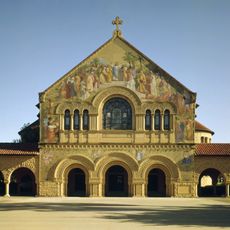
The Stanford Dish is named after its location and has become a symbol of scientific curiosity for the university and the region. For visitors today, the site serves as a place where science and outdoor recreation meet, allowing people to experience both the history of space exploration and the natural landscape at the same time.
The site is easily accessible from nearby towns and open during daylight hours, with well-maintained trails that are simple to follow. Visitors should plan to arrive early to make the most of the day and explore the grounds during sunlight, as access generally closes around sunset.
The grounds actively support rare species like the California tiger salamander through specially designed ponds, making the site more than just a scientific facility. These conservation efforts allow visitors to observe both the research work and local wildlife during their visit.
The community of curious travelers
AroundUs brings together thousands of curated places, local tips, and hidden gems, enriched daily by 91,949 contributors worldwide.