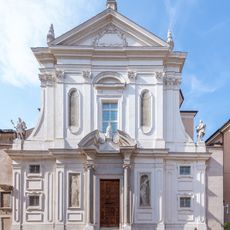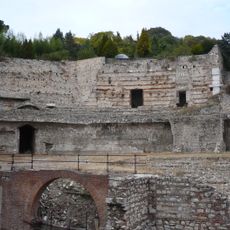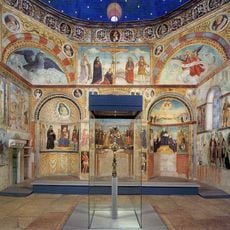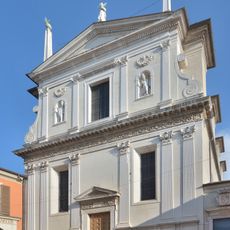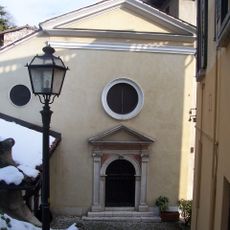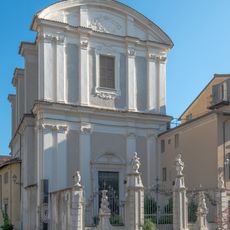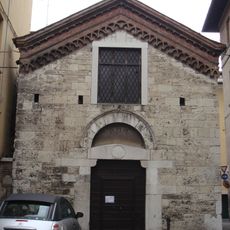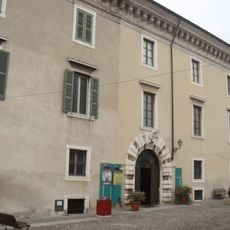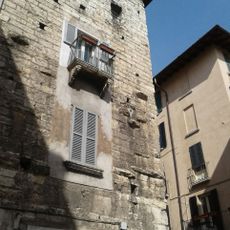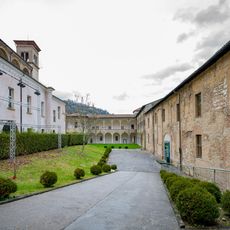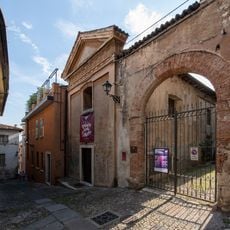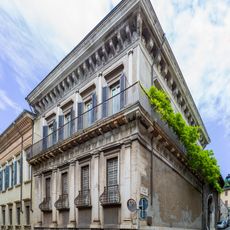
Lapidario del Capitolium di Brescia, museum in Italy
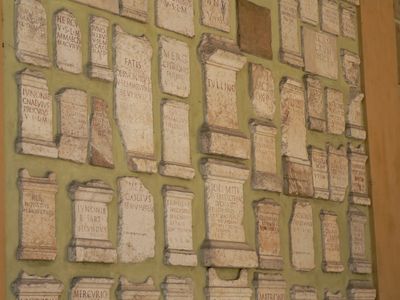
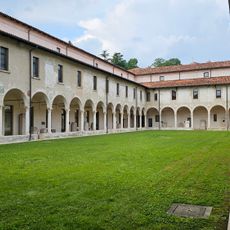
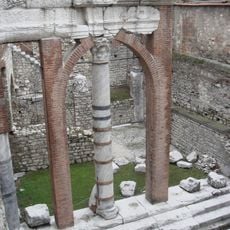
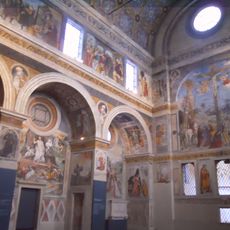
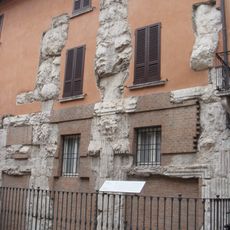
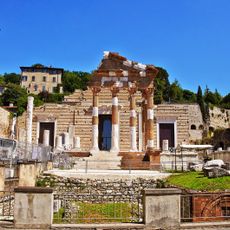
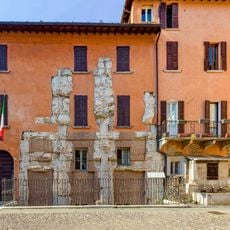
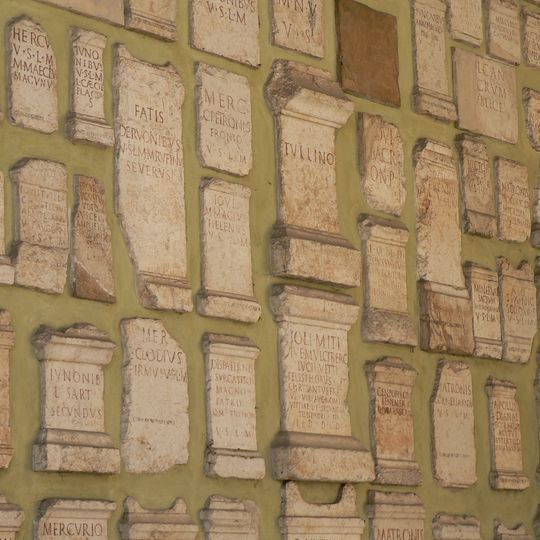
The Lapidario del Capitolium di Brescia is a collection of stone inscriptions, plaques, and memorials from the Roman period covering the walls of a central temple room. The artifacts were excavated starting in 1823 and systematically arranged by 1830, with some larger pieces reproduced as wall paintings since they could not be moved indoors.
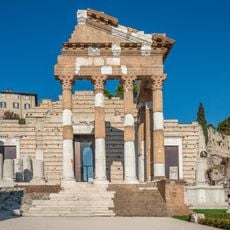
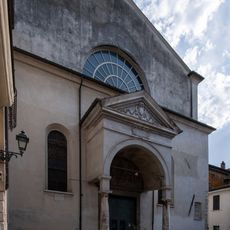
Archaeological excavations began in 1823 under Luigi Basiletti, who discovered the temple's front porch and a cache of Roman bronze objects between 1825 and 1826. In 1830, Rodolfo Vantini reconstructed the three temple rooms and established the museum there, embedding the discovered stones systematically into the walls.
The name Lapidario refers to the Roman tradition of collecting stone inscriptions and memorials. The stones displayed here record the names of gods worshipped in the area and tell stories about people from all levels of society who lived in Brescia.
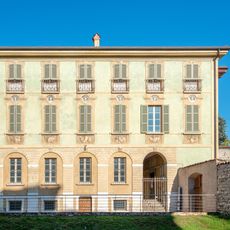
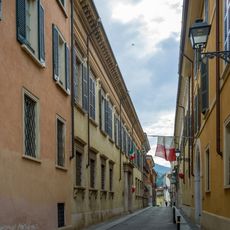
The museum is easily reached on foot or by public transport and sits in the heart of Brescia in a safe and friendly area. Access is suitable for people with disabilities, and staff speak English to help international visitors with questions.
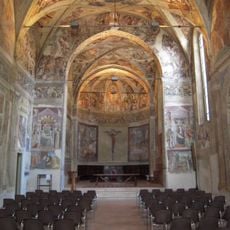
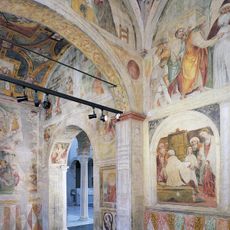
Some of the largest and most valuable stones could not be transported into the temple, so artists faithfully reproduced them as frescoes on the walls. This technique of virtual relocation shows the creativity of the early museum founders in presenting their collection.
The community of curious travelers
AroundUs brings together thousands of curated places, local tips, and hidden gems, enriched daily by 60,000 contributors worldwide.