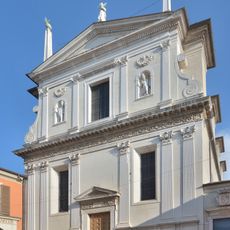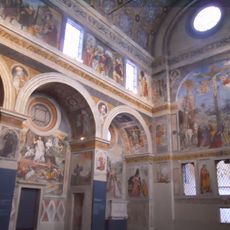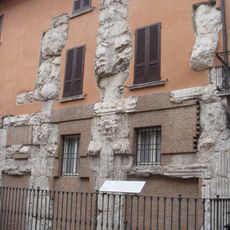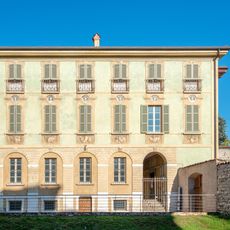
Brixia, Archaeological site in Brescia, Italy
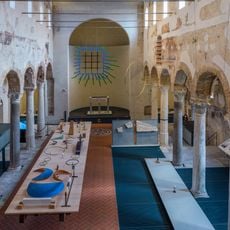
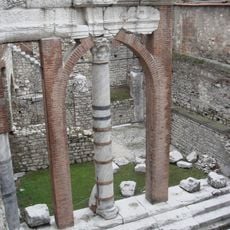
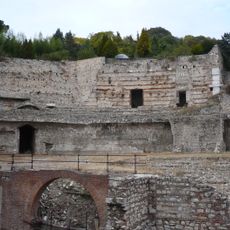
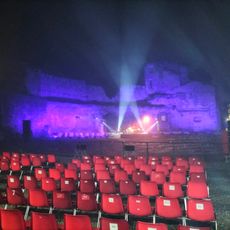
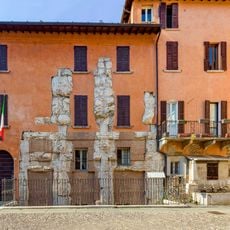
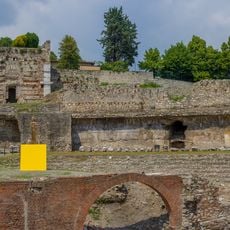
Brixia is an archaeological site in central Brescia featuring Roman building remains from different construction phases, including a temple, a theater, and private residences spread across several city blocks. The excavations lie partly underground and are accessible to visitors through modern stairs and walkways.
The site was established as a Roman administrative center and reached its peak development in the 1st century CE, when major temples and public buildings were constructed. After the fall of the Roman Empire, the location fell into obscurity and structures were buried under later layers until modern archaeological excavations revealed them.
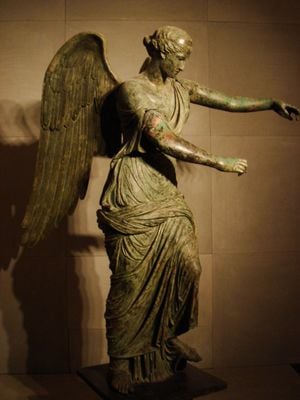
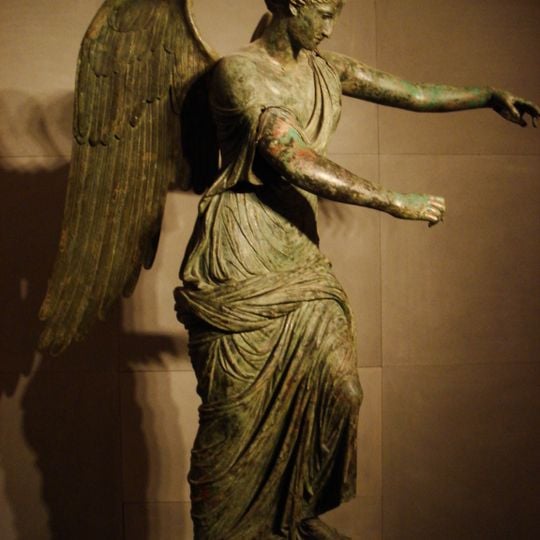
The ruins show how Romans shaped Brescia as an important administrative center, with elaborate marble decorations and statues that reflected the city's power. Visitors can observe how these artworks and architectural details were meant to shape daily life and religious practices for the people living here.
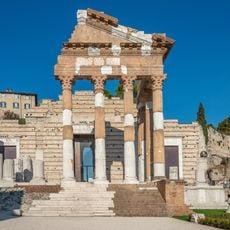
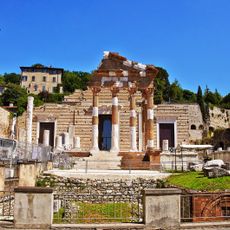
The sanctuary terrace lies between the Cidneo hill and the city's decumanus maximus, with the Capitolium pronao above the remains of the earlier four-celled temple, which measured 8.30 m by 10 m on a 2 m podium. The site is a national heritage area with museum and park sections, so allow time to move between excavated blocks.
The first sanctuary on this terrace was built in the 2nd century BC to seal the alliance between Rome and the Cenomani Gauls, and was demolished when Brixia became a Latin municipium in 89 BC. Its Sullan-era replacement, with four cells painted in the Second Pompeian style and Corinthian columns, was found in 1956 beneath the pronaos of the later Capitolium and excavated until 1961. It measured 8.30 m wide and 10 m long, with cells on a podium 2 m high.
The community of curious travelers
AroundUs brings together thousands of curated places, local tips, and hidden gems, enriched daily by 92,659 contributors worldwide.