Museo di Santa Giulia, National heritage museum in Brescia, Italy
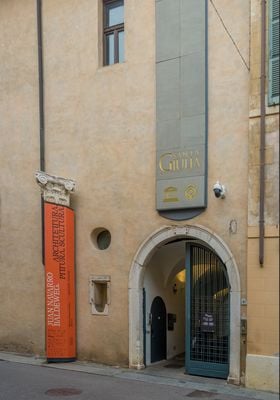
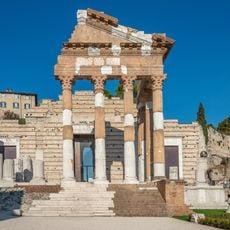
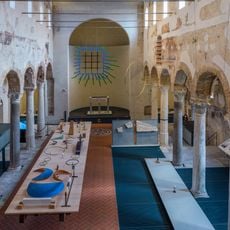
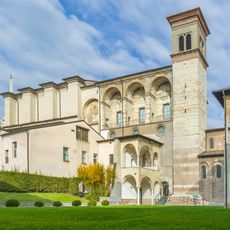
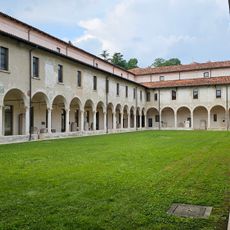
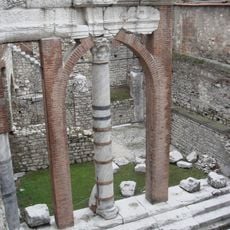
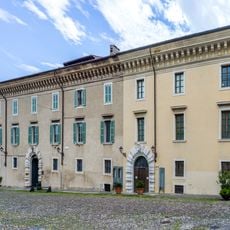
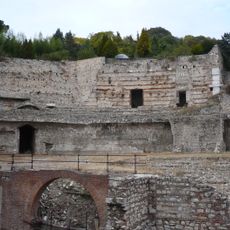
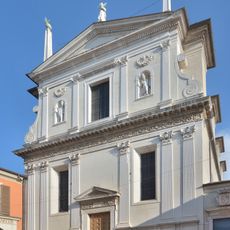
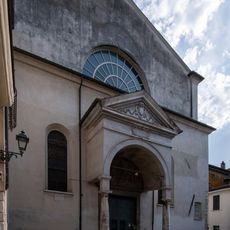
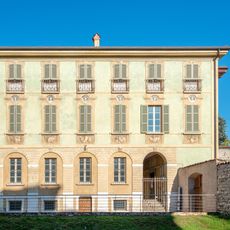
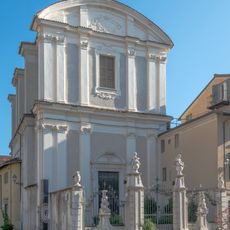
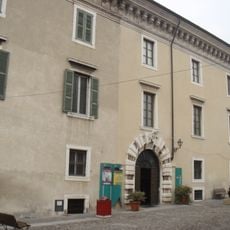
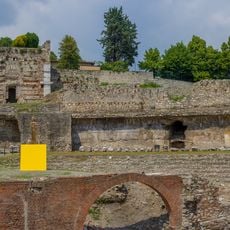
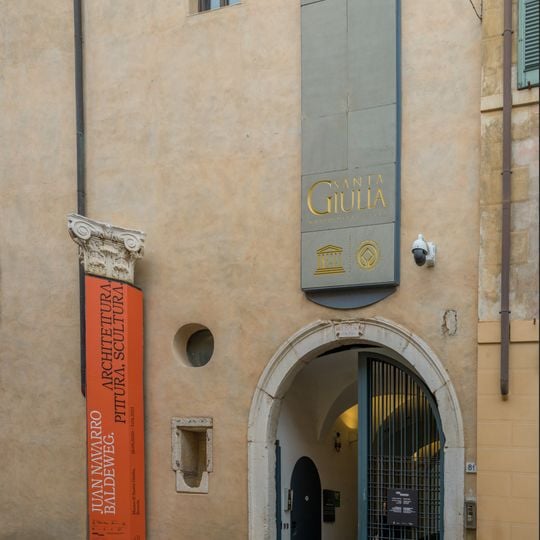
Museo di Santa Giulia occupies the former monastery of San Salvatore-Santa Giulia on Via dei Musei, along the ancient decumanus maximus of Roman Brixia. Its roughly 14,000 square metres take in three churches, the nuns' choir and the buried Roman domus dell'Ortaglia. The entrance is a stone arch in an ochre wall, marked by a grey panel reading "SANTA GIULIA".
The complex originated in the 8th century when a ruling family established a monastery with a church on this site. In the late 20th century, the buildings were transformed and opened to the public as a museum.
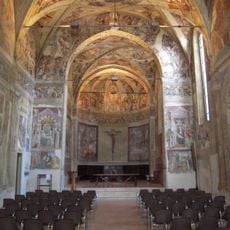
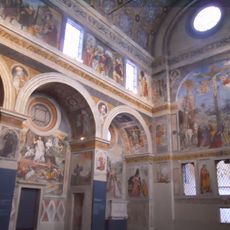
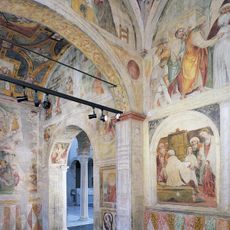
The complex is named after Saint Julia, to whom the monastery's church was dedicated; Desiderio, king of the Lombards, had the monastery built. In the Coro delle Monache, added in the second half of the 15th century so cloistered nuns could hear Mass unseen, the Mausoleo Martinengo and the tomb of Nicolò Orsini stand among Venetian-era funerary monuments.
The museum sits in central Brescia and is easily walkable, with plenty of space to explore multiple areas at your own pace. Plan to spend several hours here, as moving through the different buildings and collections requires time to see the full range of what is on display.
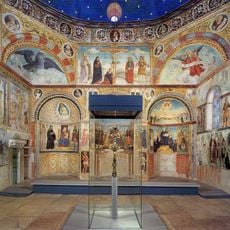
The Cross of Desiderius, kept in the upper hall of Santa Maria in Solario, is set with 212 gemstones and cameos, several of them Roman reuses. King Desiderius donated it to the monastery he founded; the abbot's seal was later stamped on its case.
The community of curious travelers
AroundUs brings together thousands of curated places, local tips, and hidden gems, enriched daily by 93,128 contributors worldwide.