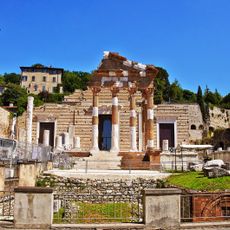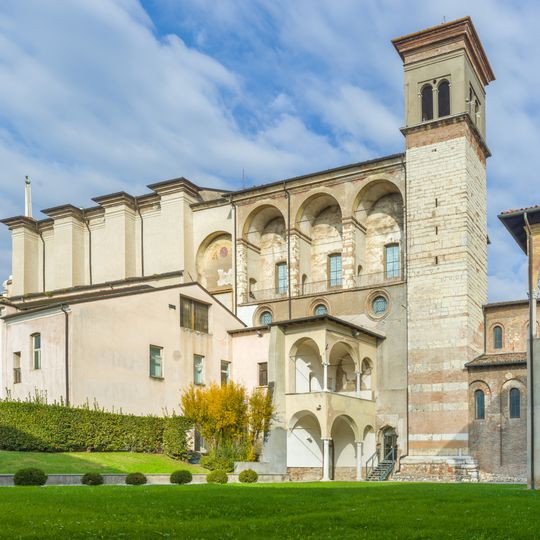
Monastery of Santa Giulia, Lombard monastery in Brescia, Italy
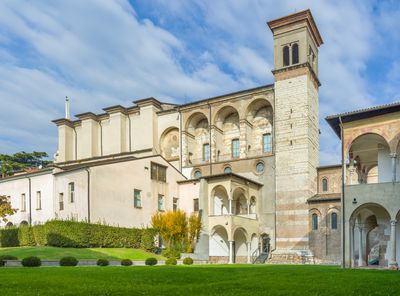
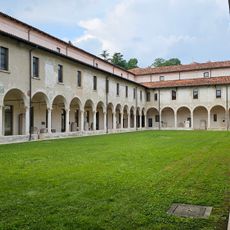
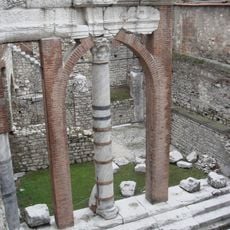
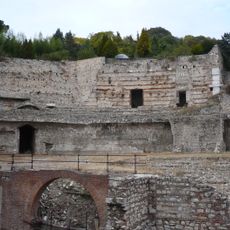
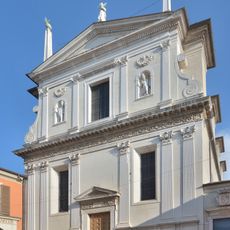
The Monastery of Santa Giulia in Brescia incorporates the older Basilica of San Salvatore, rebuilt around the 9th century over a Roman building. Its bell tower, built in the 13th–14th centuries, has alternating bands of stone and brick, a red-tiled roof and arched openings, and was painted by Romanino. A two-storey portico with round arches stands at ground level, with an upper gallery of round arches on slender columns above.
The monastery was founded in 753 by Duke Desiderio and his wife Ansa, who appointed their daughter Anselperga as the first abbess. This establishment shaped the religious and artistic development of the Brescia region for centuries to come.
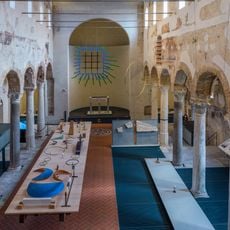
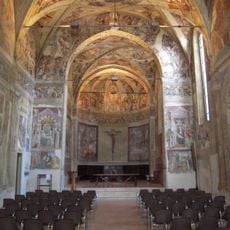
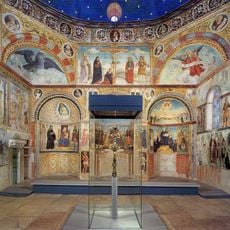
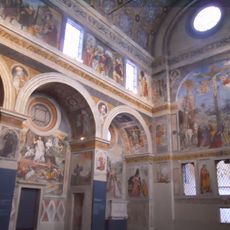
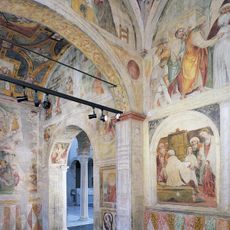
The monastery walls display frescoes created by local artists including Paolo da Caylina and Floriano Ferramola across different eras. These artworks shape the appearance of the spaces today and show the artistic life that developed within these walls over centuries.
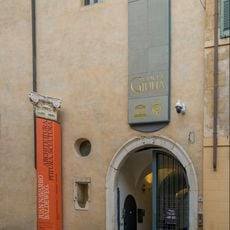
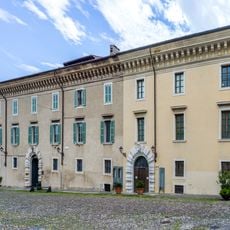
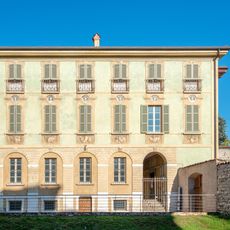
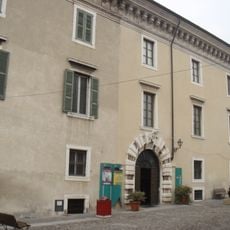
The complex is entered from via dei Musei, where the two-storey arched portico faces the street; the museum route passes through the Roman domus, the basilica of San Salvatore, Santa Maria in Solario and the 15th-century nuns' choir before reaching the northern dormitory wing. The bell tower with its bands of stone and brick is best seen from the lawn and hedge in front.
The monastery crypt holds the relics of Saint Julia, originally brought from the island of Gorgona during the 8th century. These remains were consolidated here along with reliquaries of other saints from Rome, creating a notable collection of sacred objects.
The community of curious travelers
AroundUs brings together thousands of curated places, local tips, and hidden gems, enriched daily by 92,781 contributors worldwide.