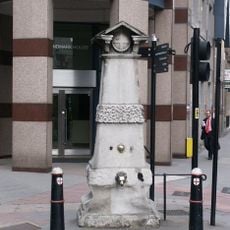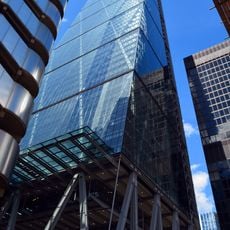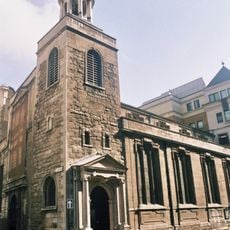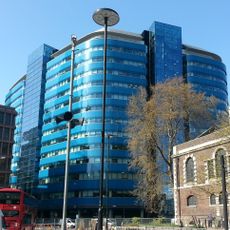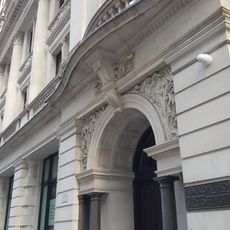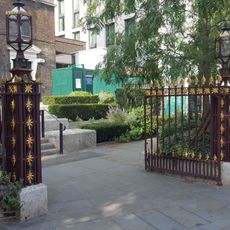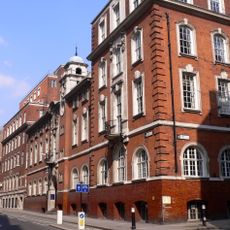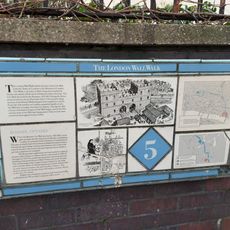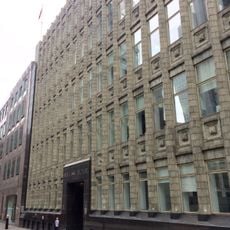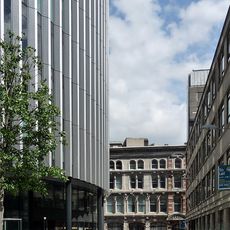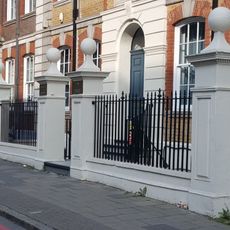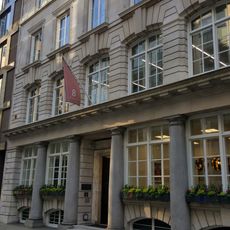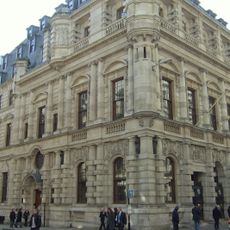
Aldgate, An ancient and ceremonial gate of the London Wall within the City of London.
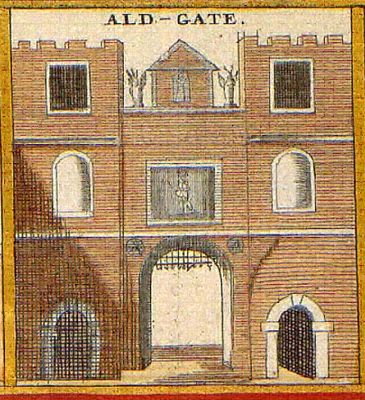
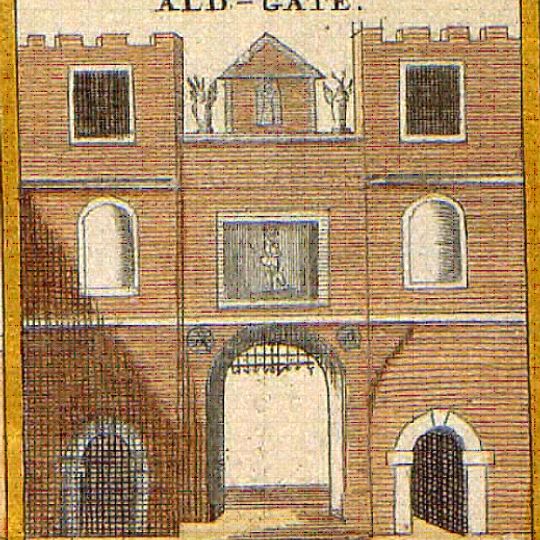
Aldgate is a city gate in London that once formed part of the city wall's defensive system. The original Roman entrance was rebuilt multiple times over the centuries, and by the early 1600s it had been reconstructed with classical decoration, statues of kings and Roman soldiers, before being demolished in 1761.
The gate was built during Roman times as the main passage east toward Essex. It was reinforced in the 12th century and rebuilt in classical style in the early 1600s with a statue of King James I. The gate played a role in major events including the Peasants' Revolt of 1381 and the Siege of London in 1471.
The name Aldgate may come from an old inn or tavern, or simply mean 'old gate'. The area has long been home to diverse communities, especially the Jewish population who established themselves here centuries ago and continue to shape the neighborhood's character.
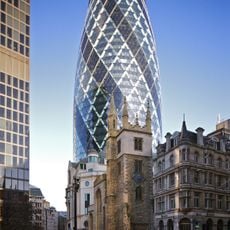
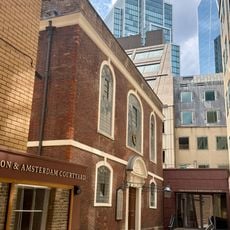
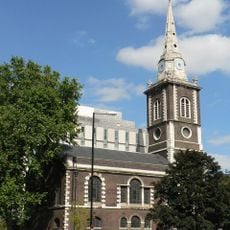
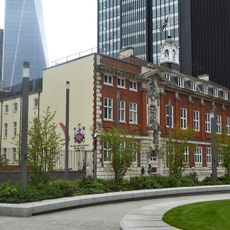
The site is located where Jewry Street meets Aldgate High Street and is easily reached by Aldgate and Aldgate East underground stations. The area is well served by buses and main roads, making it simple to reach other parts of London.
The famous writer Geoffrey Chaucer lived in rooms above the gate from 1374 and worked as a customs officer for London's port. He received a daily wine allowance and wrote some of his poetry while residing in this unusual location, blending history with literary significance.
The community of curious travelers
AroundUs brings together thousands of curated places, local tips, and hidden gems, enriched daily by 60,000 contributors worldwide.