Bergama Museum, Archaeological museum in Bergama, Turkey
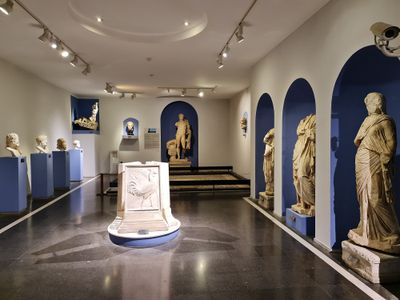
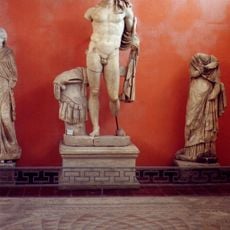
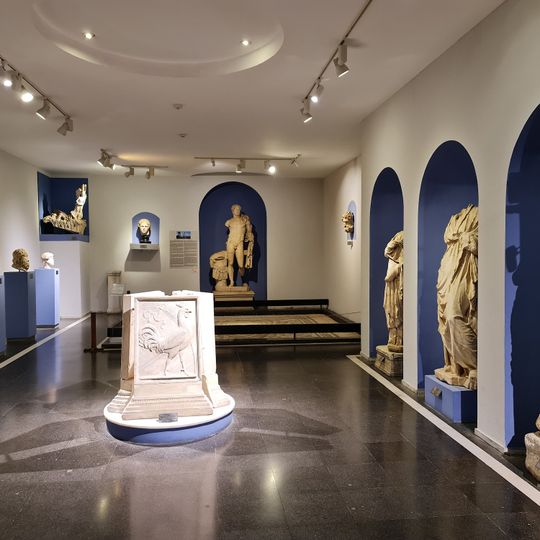
The Bergama Museum displays archaeological finds from ancient civilizations, featuring sculptures, ceramics, and bronze objects from the Hellenistic and Roman periods. Collections are arranged chronologically around a central courtyard, with additional galleries presenting everyday items and jewelry from different eras.
Founded in 1936, the institution developed from a storage house for artifacts recovered during excavations that began in 1878 under Carl Humann. The collection expanded considerably over decades as archaeological work at the ancient site continued.
The ethnographic section presents traditional objects from the Pergamon region, including handwoven carpets, period clothing, and locally made crafts that reflect practices still visible in surrounding villages.
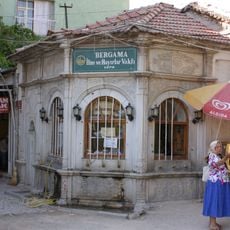
Located roughly 110 kilometers from Izmir, the building is accessible by bus or car from the surrounding area. The arrangement of galleries around an inner courtyard creates a natural flow for visitors exploring the collections.
The building, designed in 1933 by German architects Bruno Meyer and Harold Hanson, echoes the classical form of the Altar of Zeus. The structure itself becomes a reflection of the ancient objects displayed within.
The community of curious travelers
AroundUs brings together thousands of curated places, local tips, and hidden gems, enriched daily by 91,694 contributors worldwide.