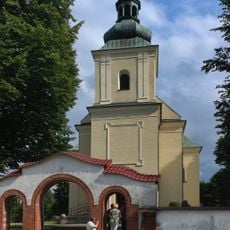
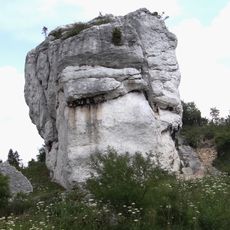
Zamek w Olsztynie, Castle in Olsztyn, Poland
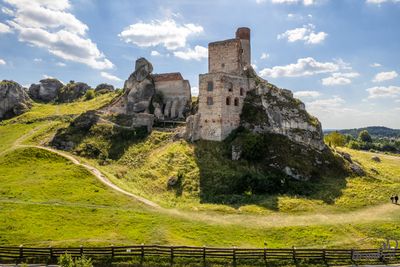
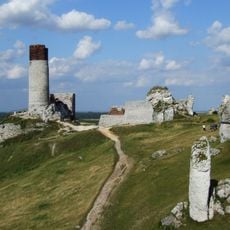
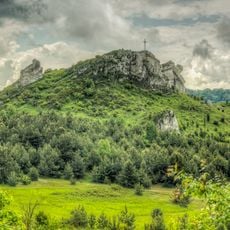
Zamek w Olsztynie is a castle built in the second half of the 13th century on rocky outcrops to protect the region from attacks from Silesia. Its most recognizable features are a cylindrical tower built from white limestone, standing about 35 meters high, and a square tower, which together form the core of what survives today.
The fortress was founded in the second half of the 13th century and later expanded by Casimir the Great to better defend the region. During the 17th century it fell into decline, with stones from its walls being repurposed for building a nearby church.
The castle takes its name from its location in Olsztyn. Today it serves as a venue for various events where visitors can witness historical reenactments and witness knightly tournaments that help bring the past to life.
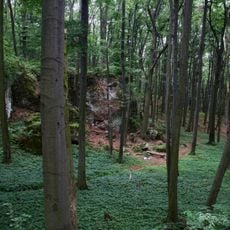
Entry inside the castle requires a fee, and reconstructed rooms provide information about its history and restoration work. The site is best explored on foot, and the surrounding protected natural areas allow for extended walks around the site.
A voivode named Maćko Borkowic was imprisoned in one of the towers and died after 40 days of a hunger strike under mysterious circumstances. In 1587, Maximilian of Habsburg besieged the castle using shocking tactics to press his claim to the Polish throne.
The community of curious travelers
AroundUs brings together thousands of curated places, local tips, and hidden gems, enriched daily by 60,000 contributors worldwide.