MÁV IIIe, class of 512 Hungarian 0-6-0 locomotives
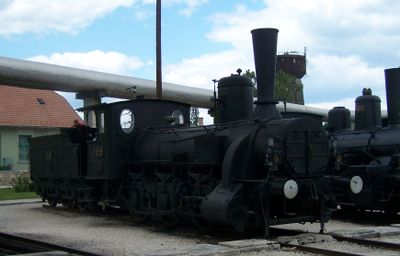
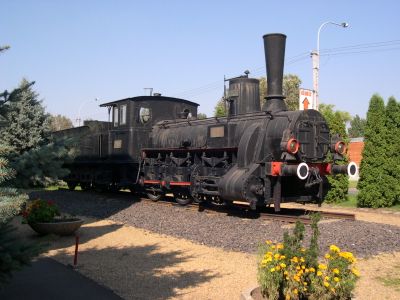
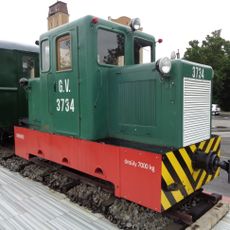
The MÁV IIIe is a narrow-gauge locomotive from the post-war era that served freight and passenger transport on a regional rail network. It was built with solid construction to carry heavy loads and last long, featuring a simple design that was easy to maintain.
This locomotive was built in the late 1940s, a period when railroads were experimenting with new materials and techniques. It played a key role in post-war economic recovery until regional rail lines were gradually phased out during the 1970s.
The locomotive became a familiar sight in daily life and represents the working spirit and resilience of the community. Local residents remember the trains as symbols of connection between different towns and their role in rebuilding the regional economy after the war.
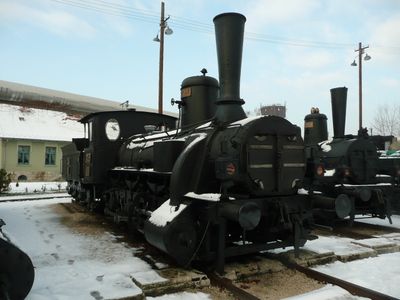
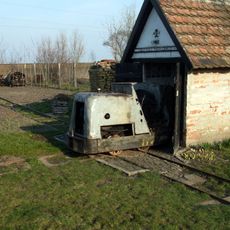
The locomotive is displayed at a location in Békéscsaba where visitors can view it up close and explore its construction. The best way to understand the setting is to take a leisurely walk around the machine, where old rail buildings and overgrown tracks preserve the historical environment.
What stands out is its simple construction that required minimal maintenance and allowed it to work on imperfect tracks and tight curves. This practical robustness made it a trusted tool for moving agricultural goods and supplies across a region that depended on reliable transport.
The community of curious travelers
AroundUs brings together thousands of curated places, local tips, and hidden gems, enriched daily by 60,000 contributors worldwide.