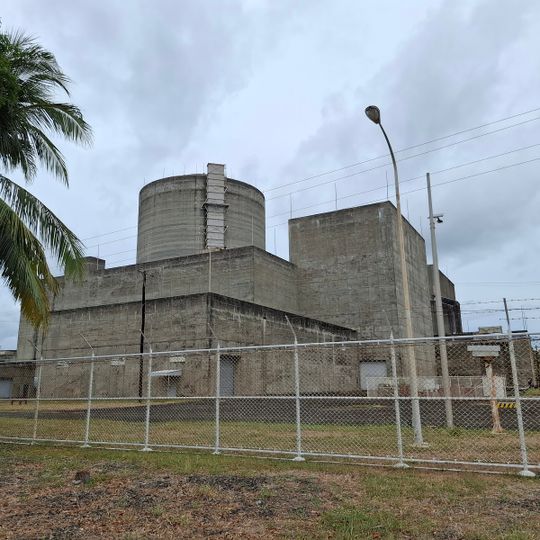
Bataan Nuclear Power Plant
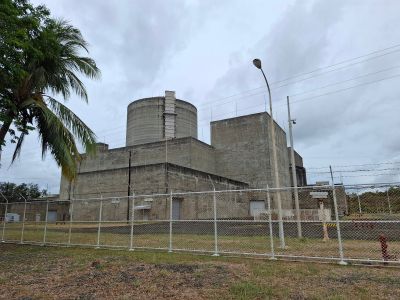
This facility is a large industrial complex in Morong with massive concrete buildings and an unused Westinghouse light water reactor. The cooling towers and reactor buildings stand empty and show architecture from the late seventies that never fulfilled its intended purpose.
Construction began in the mid-seventies under President Ferdinand Marcos and was meant to help ease energy shortages. After the Chernobyl accident in 1986, safety concerns grew and President Corazon Aquino stopped the project permanently.
The name comes from the province where it stands and carries the weight of political and social controversy. Many visitors see the empty buildings as a monument to failed ambitions and as a place where debates about safety and progress continue to unfold.
Visitors reach the site by road from Manila and can join guided tours to get a look inside the mothballed facilities. The site is large and quiet, and it helps to wear comfortable shoes for walking between the different buildings.
Daily maintenance costs for the unused facility once reached around 155000 dollars without ever generating electricity. Geologists still warn today about a nearby fault line and the volcano Mount Natib, which increase the risk to the structure.
Location: Morong
Address: Morong, Bataan, Philippines
Opening Hours: Monday-Friday 09:00-20:00
Website: https://facebook.com/profile.php?id=100057058856523&mibextid=ZbWKwL
GPS coordinates: 14.63155,120.31531
Latest update: December 5, 2025 09:49
This collection brings together nuclear power plants that have shaped the history of civilian nuclear energy. Some experienced accidents that changed the world’s view of nuclear energy. Chernobyl in Ukraine remains a symbol of the 1986 disaster, while Fukushima in Japan showed the risks of natural events. Three Mile Island in Pennsylvania paused the building of new reactors in the US for many years. Other sites are among the largest in the world, like Kashiwazaki-Kariwa in Japan or Bruce in Canada. Many places are facing challenges today, such as the Zaporijia plant in Ukraine. The collection also includes projects that tried to push the technical limits of this energy. Superphénix in France and Monju in Japan explored new types of reactors, with mixed results. Some facilities, like Bataan in the Philippines, were never operational despite being fully built. Others, like Oyster Creek or Tokai, helped start nuclear work in their countries. From Siberia to the United Arab Emirates, from Canada to India, these sites tell stories about energy choices, technical progress, failures, and questions that have surrounded this source of power for more than sixty years.
Philippine–Japanese Friendship Tower
9.3 km
Casa Bizantina
8.6 km
Casa Hidalgo
8.5 km
Casa Unisan
8.6 km
Casa Jaen I
8.5 km
Starting Point of Death March historical marker
9.3 km
Bataan Peak
8.5 km
Morong Beach
7.1 km
Scenic viewpoint
1.3 km
Lucky Haven
5.5 km
Oyster Island
3.1 km
Auspina Eco Resort
4.6 km
Auspina Eco Resort
4.6 km
Philippines-Japan Friendship Tower
9.3 km
Bonito 2 resort
7.1 km
West Nuk Beach
977 m
Looc Beach
5.7 km
Montemar Beach
9.8 km
Pawikan Conservation Center
3.2 km
Kanawan’s Hanging Bridge
9.7 km
Scenic viewpoint
1.9 km
Death March KM 0
9.3 km
Rizal Monument
7.5 km
Cambodian statue
9.1 km
Monument
8.4 km
Death March KM 1-B
9.4 km
Waterfall
9.7 km
Kataybangfalls
6.2 kmReviews
Visited this place? Tap the stars to rate it and share your experience / photos with the community! Try now! You can cancel it anytime.
Discover hidden gems everywhere you go!
From secret cafés to breathtaking viewpoints, skip the crowded tourist spots and find places that match your style. Our app makes it easy with voice search, smart filtering, route optimization, and insider tips from travelers worldwide. Download now for the complete mobile experience.
A unique approach to discovering new places❞
— Le Figaro
All the places worth exploring❞
— France Info
A tailor-made excursion in just a few clicks❞
— 20 Minutes