Graz Cathedral, Graz Cathedral, Austria
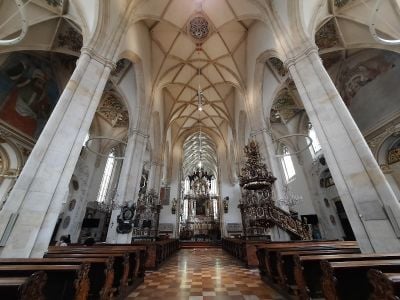
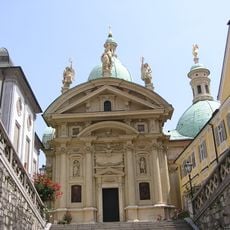
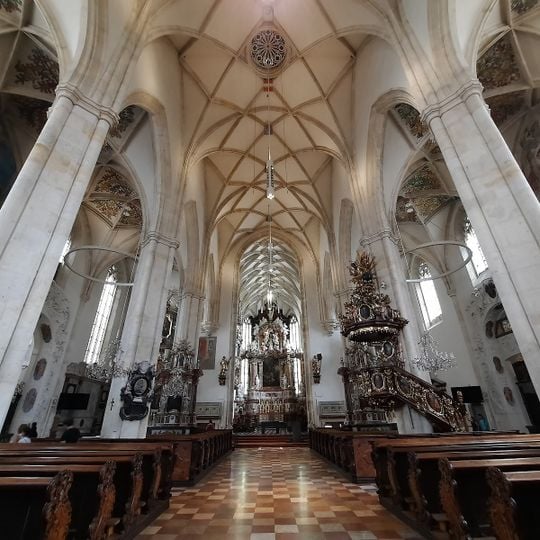
Graz Cathedral is a church in the city center that blends Gothic and Baroque styles. Inside, visitors find numerous artworks including altars, frescoes, a large organ with more than 5,000 pipes, and a notable late-Gothic painting of the Crucifixion by Conrad Laib, considered one of the finest examples of church painting from that period in the German-speaking world.
The church started as a small chapel in medieval times and was expanded into a cathedral in Gothic style starting in 1438 under Emperor Frederick III. During the 17th and 18th centuries, it received Baroque decorations and embellishments, particularly through the support of Emperor Ferdinand II and the work of Jesuit artists.
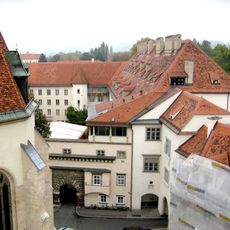
The cathedral was closely tied to ruling families and served as a place for important ceremonies and displays of power. Its location next to the old imperial residence, Graz Burg, shows how it stood as a spiritual center alongside political authority, and today it remains an active gathering place for worship and community events.
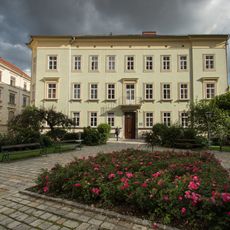
The cathedral is located on Burggasse in the heart of Graz's old town and is easy to find. Entry is free and the doors are open most days, with small donations helping to maintain the building.
Inside are two special reliquaries that once belonged to the noblewoman Paola Gonzaga, decorated with bone and ivory inlays and possibly created by the renowned artist Andrea Mantegna. The Jesuits later used them to store the bones of saints and martyrs, making these valuable pieces rare artifacts you can see in the cathedral today.
The community of curious travelers
AroundUs brings together thousands of curated places, local tips, and hidden gems, enriched daily by 90,758 contributors worldwide.