Faridkot Fort
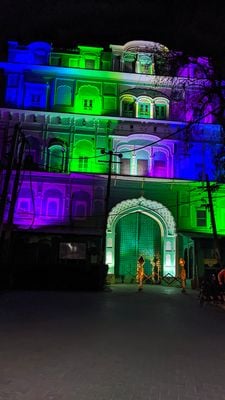
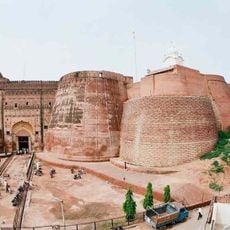
Faridkot Fort is a large stone structure with thick walls and multiple towers built for defense purposes. Inside are rooms that once served as living quarters, a garden, and various buildings including a royal palace from the late 1800s featuring French design elements.
The fort was built more than 700 years ago to protect against invaders and was later renovated under Maharaja Ranjit Singh's control. It was subsequently used as a prison by the British before becoming an important historical site for understanding the region's past.
The name Faridkot comes from the Sufi saint Fariddudin Sheikh Ganjshakar, whose spiritual influence remains important to the local community today. The fort stands as a symbol of this cultural and religious connection that shapes the identity of the place.
The best time to visit is during daylight to enjoy the views and see all the details of the stonework clearly. Walking through the fort is straightforward as it has open courtyards and pathways that are easy to navigate on foot.
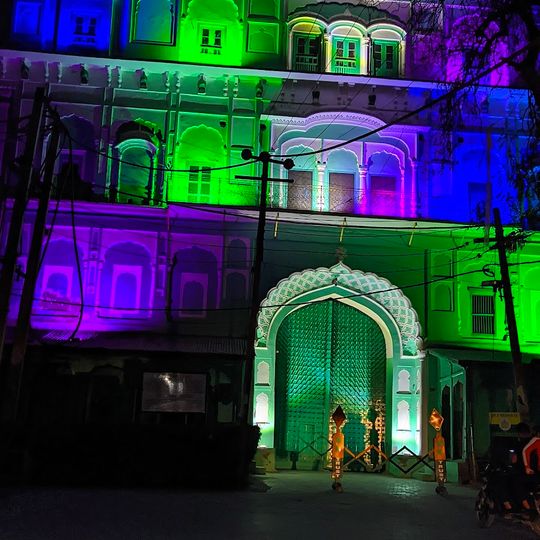
The architecture blends local building techniques with Muslim style features and European elements, showing how different cultures merged in the structure over centuries. This unusual mix of architectural styles makes it a rare example of cultural overlap in the region's military architecture.
The community of curious travelers
AroundUs brings together thousands of curated places, local tips, and hidden gems, enriched daily by 92,656 contributors worldwide.