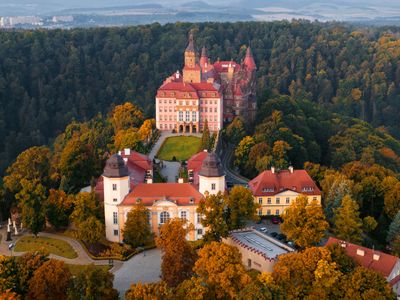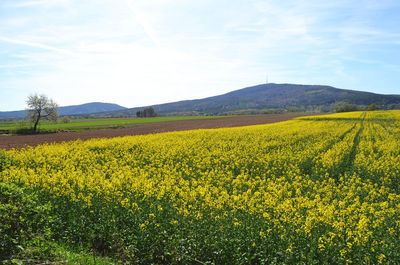
Silesia, Historical region in southwestern Poland.
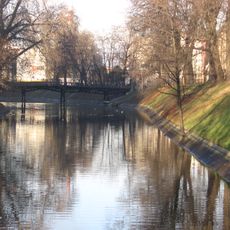
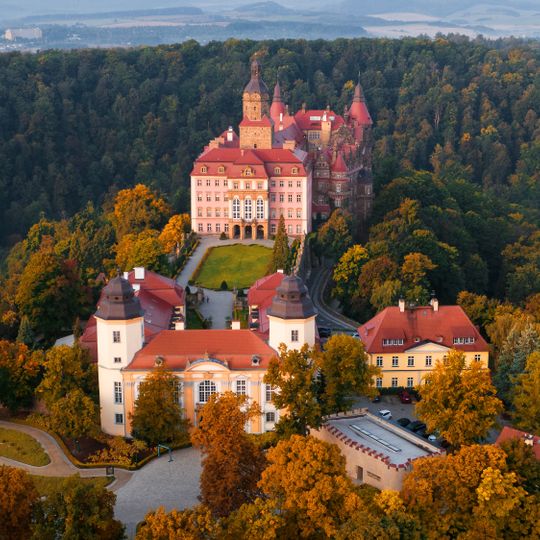
Silesia is a historical and cultural area in southwestern Poland that stretches along the upper and middle course of the Oder River. The territory extends from the Sudetes to the fertile plains of Central Europe and includes both mountainous landscapes and flat farmland.
The territory changed hands several times between Polish, Czech, Austrian, and Prussian control until it finally became part of Poland after the end of World War II. These shifts shaped the composition of the population and the cultural development of the area over the centuries.
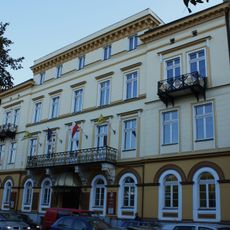
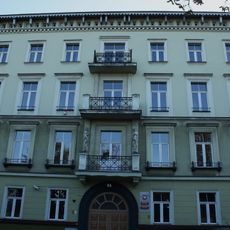
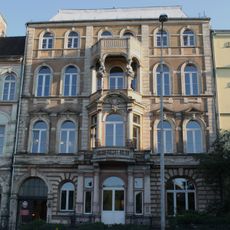
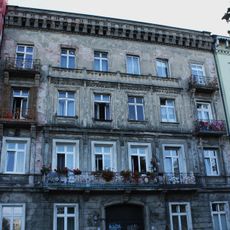
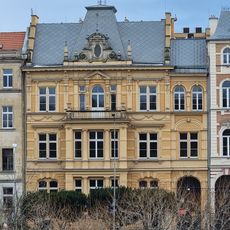
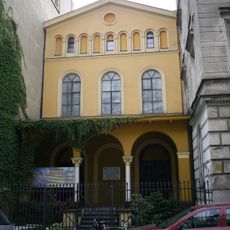
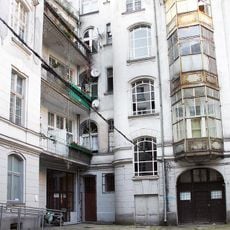
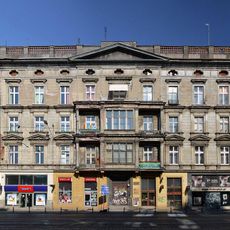
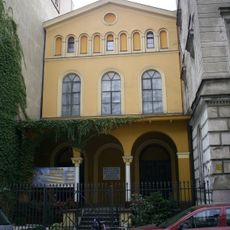
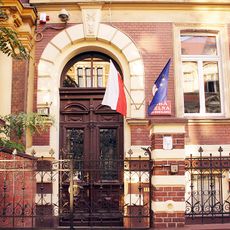
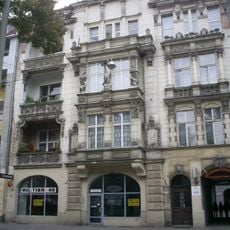
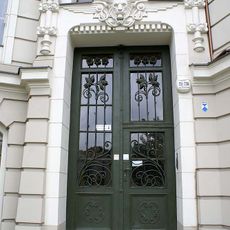
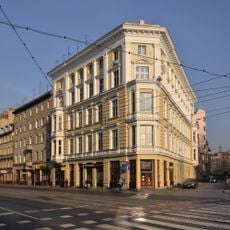
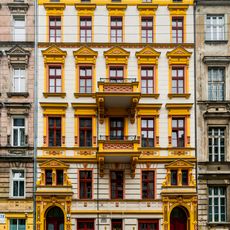
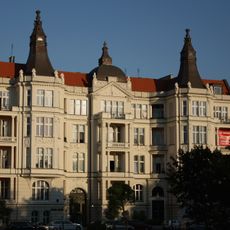
The area shows a mix of Polish, German, and Czech influences in its architecture, dialects, music, and traditional festivals. This variety also comes through in the local food, regional customs, and different craft traditions that people still maintain today.
The area holds large coal deposits, industrial centers, and farmland that make it an economic engine in present-day Poland. Visitors will find well-developed roads and train connections that link the main cities and points of interest.
After World War II, the area experienced the largest population transfer in European history when German residents left and Polish newcomers arrived. This upheaval still shapes the identity of many towns and villages today, where old and new traditions exist side by side.
The community of curious travelers
AroundUs brings together thousands of curated places, local tips, and hidden gems, enriched daily by 91,376 contributors worldwide.