Lower Silesia, Historical region in southwestern Poland
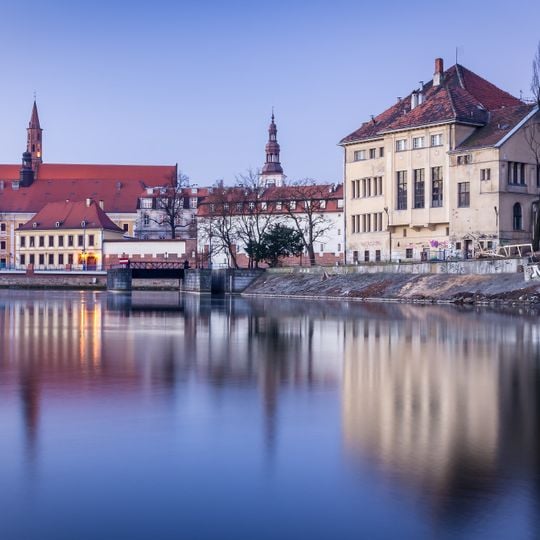
Lower Silesia is a historical region in southwestern Poland that extends along the Oder River valley and includes numerous medieval castles, Renaissance palaces, and traditional villages between the Sudeten mountains. The landscape shifts between gentle hills, river valleys, and mountain ranges, with forests and fields shaping the rural areas.
This area changed hands several times between Poland, Bohemia, Austria, and Prussia until it became part of Poland in 1945 after World War II. The population shifted after the war ended, as German residents left the region and Polish settlers moved in.
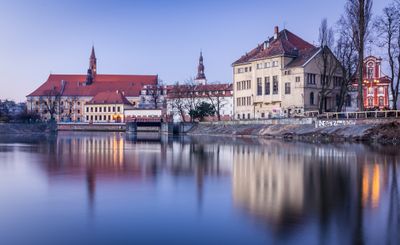
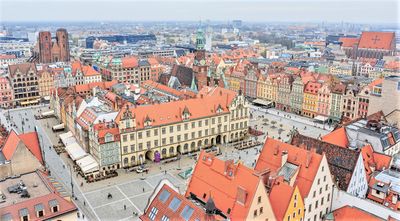
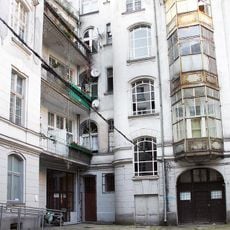
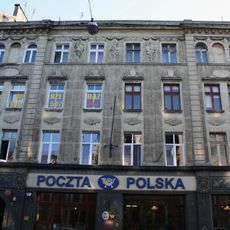
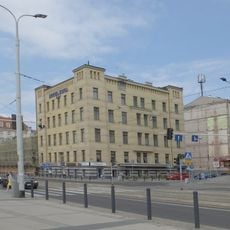
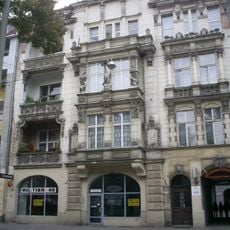
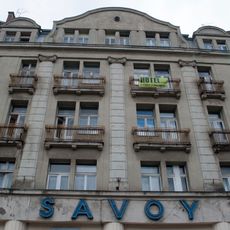
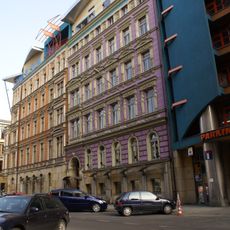
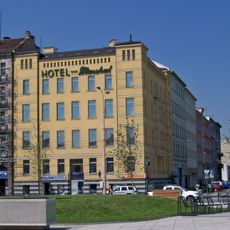
The architecture here shows Polish, German, and Bohemian influences visible in churches, merchant houses, and public squares. Visitors can spot the mix of building styles when walking through old town centers, where Gothic towers stand beside Baroque facades.
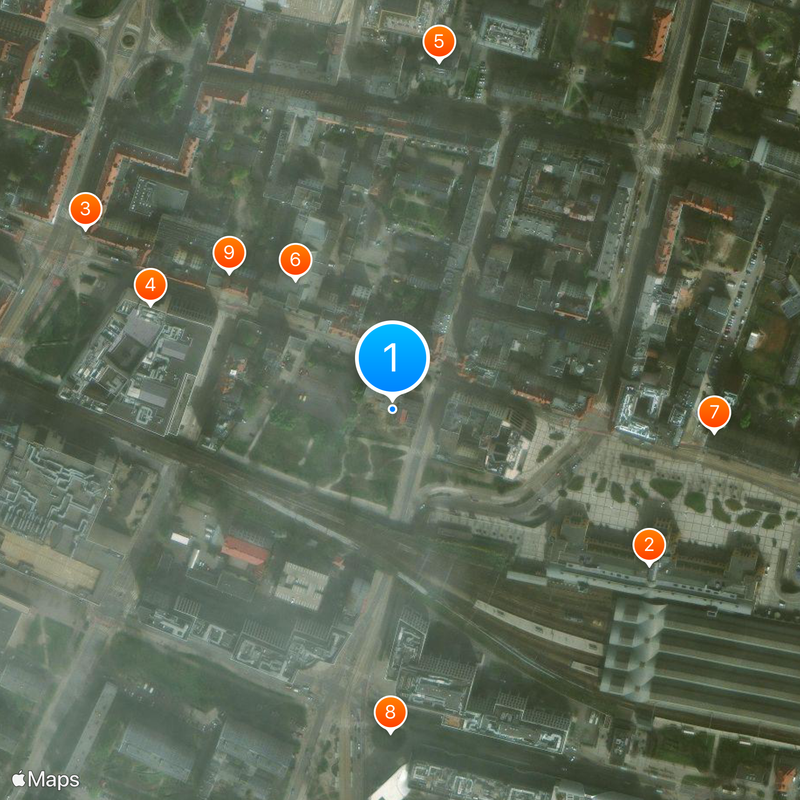
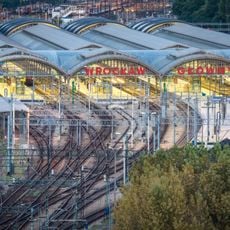
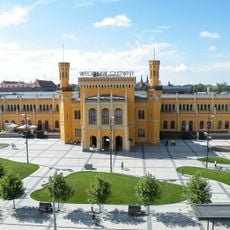
Regular train connections link the main cities in this part of Poland, with Wrocław serving as the main transport hub for reaching smaller towns. Most historical sites sit in the flatter areas, while hiking trails in the mountains require more preparation.
Książ Castle near Wałbrzych contains an underground tunnel system from World War II that extends through three levels beneath the building. These passages were never completed and remain partly mysterious in their original purpose.
The community of curious travelers
AroundUs brings together thousands of curated places, local tips, and hidden gems, enriched daily by 91,415 contributors worldwide.