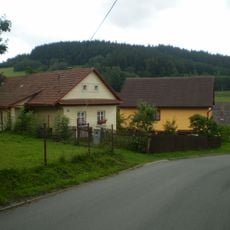
Vírský oblastní vodovod, Water pipeline network in Vysočina and South Moravian regions, Czech Republic
The Vírský oblastní vodovod is a water pipeline network that moves water from the Vír I reservoir across two regions in the Czech Republic to supply communities. The system uses natural gravity and pumping stations to deliver water over considerable distances to towns and villages.
The pipeline system began construction in 1988 to address growing water demands across the region. Over time, it expanded to become a major infrastructure serving multiple communities and municipalities.
The system's name changed with its ownership: it was planned in the 1980s as the Brněnský oblastní vodovod and only became the Vírský oblastní vodovod after the association took over the unfinished construction at the end of 1993. The association's members are the city of Brno (49 %), Modřice (11 %) and Rajhrad (6.2 %), plus municipalities grouped in unions of municipalities. Brněnské vodárny a kanalizace operates most of the network, Vodárenská akciová společnost the local branches.
The pipeline is buried along its whole route, so there is nothing to visit; the visible points are the Vír I dam intake and the water treatment plant at Švařec. The main line runs from the Vír reservoir through a 4,691 m pressure tunnel under the Zubštejn castle ruin to Švařec, then on toward Tišnov and Brno.
The 4,691 m pressure tunnel from Vír to Švařec passes beneath the massif crowned by the ruins of Zubštejn Castle. At the Švařec treatment plant a 210 kW Francis turbine generates part of the site's own electricity, while the plant's 2,300 l/s capacity is throttled to 1,150 l/s and actual flow runs near 50 l/s.
The community of curious travelers
AroundUs brings together thousands of curated places, local tips, and hidden gems, enriched daily by 92,656 contributors worldwide.