Corpus Christi Museum of Science and History, Science and history museum in downtown Corpus Christi, United States.
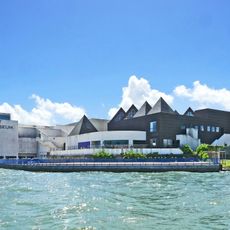
The Corpus Christi Museum of Science and History is a facility in downtown that explores regional history and natural sciences through displays and exhibits. It showcases archaeological discoveries, objects documenting South Texas development, and artifacts spanning several centuries of the region's past.
The museum preserves items from Spanish shipwrecks dating to 1554 that were discovered off the coast of Padre Island. These discoveries help explain early connections between European explorers and the region's coastal waters.
The museum's collection centres on the 1554 Spanish fleet wrecked off Padre Island; the world's oldest confirmed-date mariner's astrolabe, dated 1554, is among the finds. A 1990 extension houses the Shipwreck! exhibition, where visitors can see these recovered objects.
The museum is easy to navigate with clearly organized exhibits that are straightforward to explore at your own pace. Plan to spend time viewing the different collections of archaeological finds and historical objects throughout the space.
The museum holds artifacts recovered from the 1554 wreck of the Spanish ship San Esteban, including the world's oldest mariner's astrolabe with a confirmed date. A 1990 extension was built to house the Shipwreck! exhibition. The museum covers over 40,000 square feet near the Harbor Bridge.
The community of curious travelers
AroundUs brings together thousands of curated places, local tips, and hidden gems, enriched daily by 92,724 contributors worldwide.