Kerr Scott Farm, human settlement in Haw River, North Carolina, United States of America
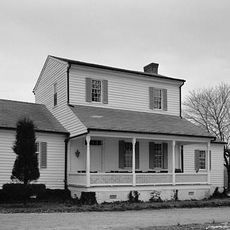
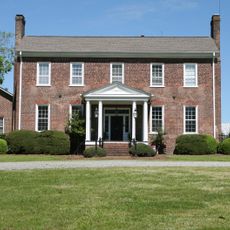
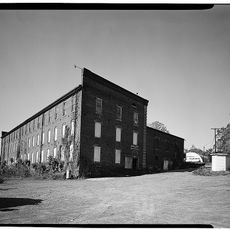
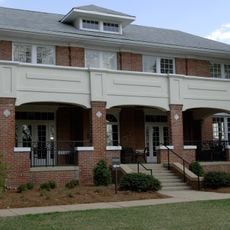
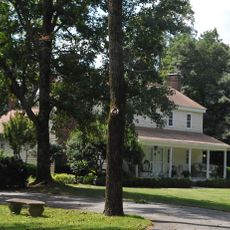
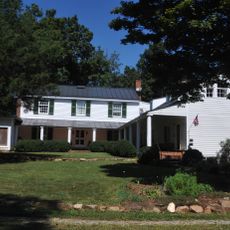
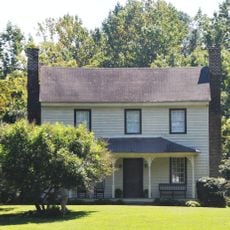
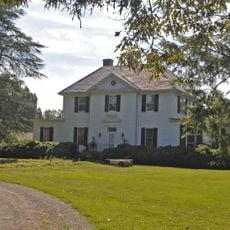
Kerr Scott Farm is a historic property near Haw River spanning over 240 acres with numerous original structures dating from the early to mid-20th century. The site includes a main house built in 1919, barns from 1910 and 1929, a milk house, corn crib, silos, equipment sheds, and various outbuildings that reflect the farm's operations.
The farm was established and developed during the early 20th century, with most major structures built between 1910 and the 1930s as agricultural operations expanded. The site gained listing on the National Register of Historic Places in 1987 in recognition of its significance to North Carolina's farming and political heritage.
The farm takes its name from W. Kerr Scott, who later became North Carolina's governor and also served as a U.S. Senator while maintaining ties to this land. Walking through the grounds today reveals how rural families organized their work and daily routines around dairy production and crop management.
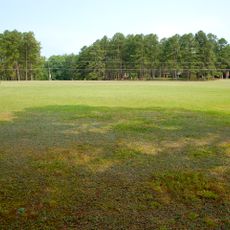
The grounds are mostly open fields with structures you can view from outside, making it easy to walk around without special equipment or facilities. Wear sturdy shoes since pathways are often uneven, and dress for changing weather as the property offers little shelter.
W. Kerr Scott's son, Robert W. Scott, was born here and later became North Carolina governor just like his father, making this farm a rare connection between two generations of the state's political leadership. Few rural properties in the region can claim such direct ties to multiple governors.
The community of curious travelers
AroundUs brings together thousands of curated places, local tips, and hidden gems, enriched daily by 92,707 contributors worldwide.