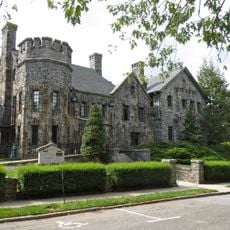
Grove Park Historic District, Residential historic district in Asheville, United States.
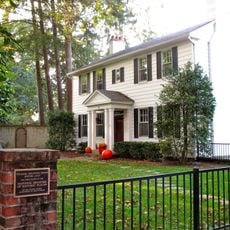
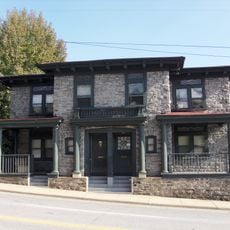
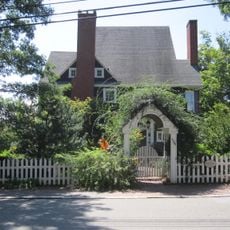
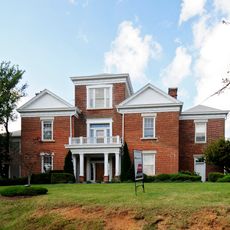
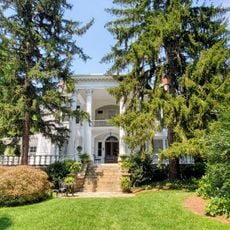
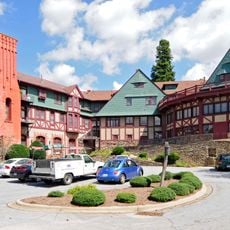
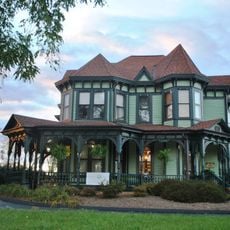
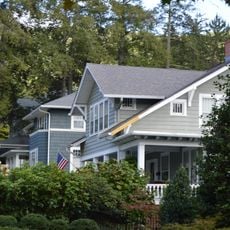
Grove Park Historic District is a residential area in Asheville containing about 290 buildings spread across 232 acres, with Colonial Revival, Tudor Revival, and Bungalow-style homes situated along gently curving streets. The layout differs notably from the downtown grid, offering a more flowing street pattern throughout the neighborhood.
Grove Park was platted and developed as a planned suburban community in 1908–1913 and 1914, with streets laid out by landscape architect Chauncey Beadle. The Kimberly Amendment of 1923 expanded the original development and took in the former Asheville Country Club, now the Grove Park Inn Country Club. The district was listed on the National Register of Historic Places in 1989, with a boundary increase in 1990.
The district's name comes from the Grove Park development, and its 1923 Kimberly Amendment added the former Asheville Country Club, now the Grove Park Inn Country Club. The neighborhood's curving streets, designed by Chauncey Beadle, remain its most visible legacy.
The district lies in the northern part of Asheville, with the former Asheville Country Club grounds, now the Grove Park Inn Country Club, forming part of the area added in 1923. Streets follow Chauncey Beadle's curving plan rather than a grid, so a walk covers the Colonial Revival, Tudor Revival and Bungalow houses along winding routes. The 1990 boundary increase extended the listed area beyond the 1989 designation.
The Kimberly Amendment of 1923 extended the original plat to take in the former Asheville Country Club, now the Grove Park Inn Country Club. The district's 290 contributing buildings and one contributing site were listed on the National Register in 1989, with a boundary increase the following year.
The community of curious travelers
AroundUs brings together thousands of curated places, local tips, and hidden gems, enriched daily by 92,690 contributors worldwide.